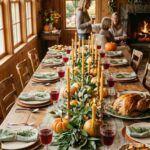
The table is set an hour before anyone arrives. Beeswax tapers stand at attention in silver holders. Linen napkins are folded, not fanned. A copper pot of soup waits on the stove, lid slightly ajar, filling the kitchen with the scent of thyme and slow-cooked onions.
That quiet hour before guests knock is the heart of Martha Stewart aesthetic hosting. It is the moment when preparation meets intention, and a home transforms from a private space into a place designed to welcome.
Martha rereleased her original 1982 book Entertaining in late 2025. More than four decades later, the lessons still hold. She famously insists hosts should never experiment on their guests. She builds menus around make-ahead dishes. She sets the table the night before. None of this is about impressing people. It is about being present with them once they arrive.
These 17 ideas cover the table, the food, the atmosphere, and the small details that separate a meal from a memory. Each one reflects her philosophy that guests should feel cared for, not impressed.
1. A Linen Tablecloth That Has Been Washed a Hundred Times
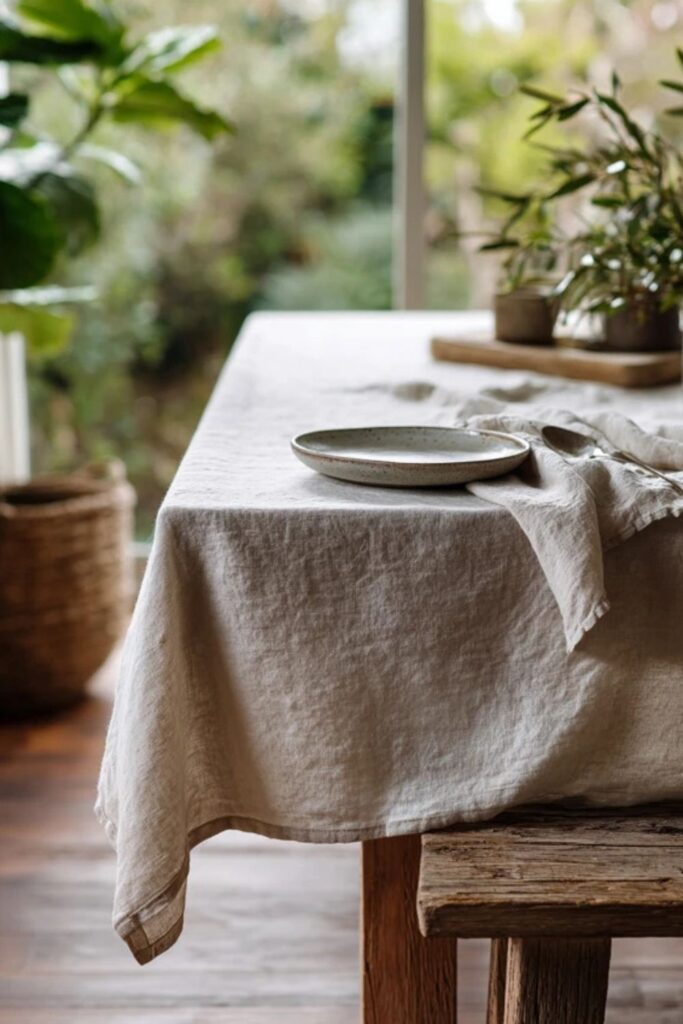
The first thing guests see is the table. Martha’s tablecloths are always real linen, never polyester, never a runner on bare wood for a formal dinner. The linen should be soft and slightly wrinkled. A tablecloth that looks too pressed feels like a hotel banquet.
Choose cream or white. Iron it lightly if you want clean lines, but leave enough softness that it drapes over the table’s edge with weight. A linen cloth washed dozens of times has a hand that no new cloth can match. It feels like something inherited, and that is the whole point.
2. Ironstone Plates Instead of Matching China
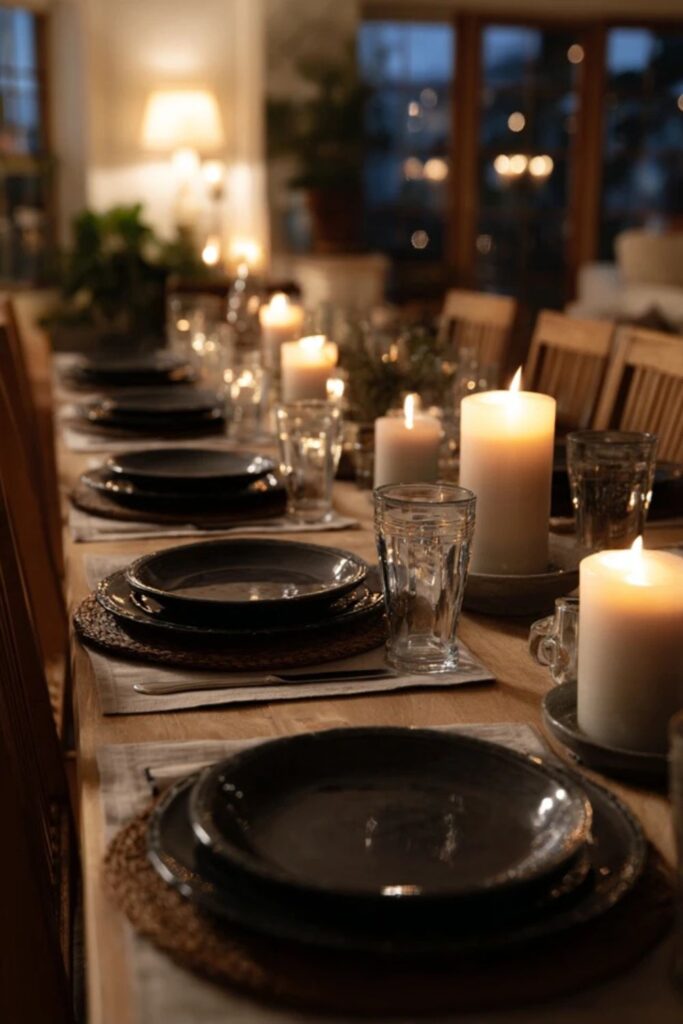
Martha does not set a table with matching store-bought china. She uses ironstone: heavy, cream-coloured, English-feeling pottery that looks antique even when it is not. The weight of ironstone tells your hands this is a real meal, not a casual one.
Mix sizes. Use a large dinner plate with a smaller salad plate stacked on top. The slight variation in shade between pieces, one a bit warmer, another a bit cooler, gives the table the collected quality that defines her aesthetic. No two plates need to be identical.
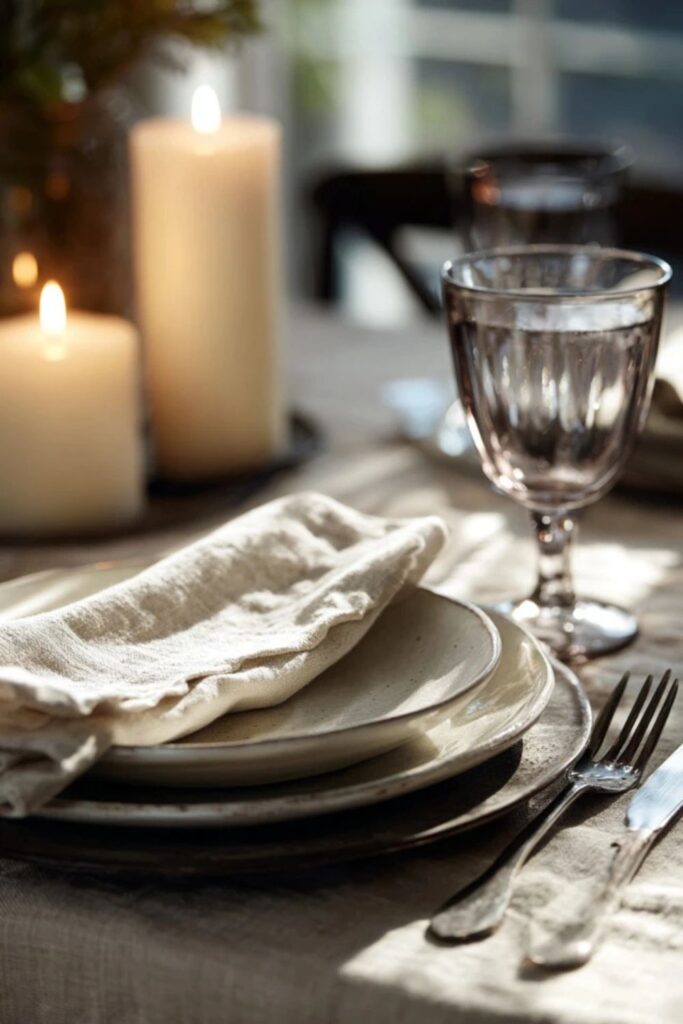
3. Pressed Glass Goblets for Water and Wine
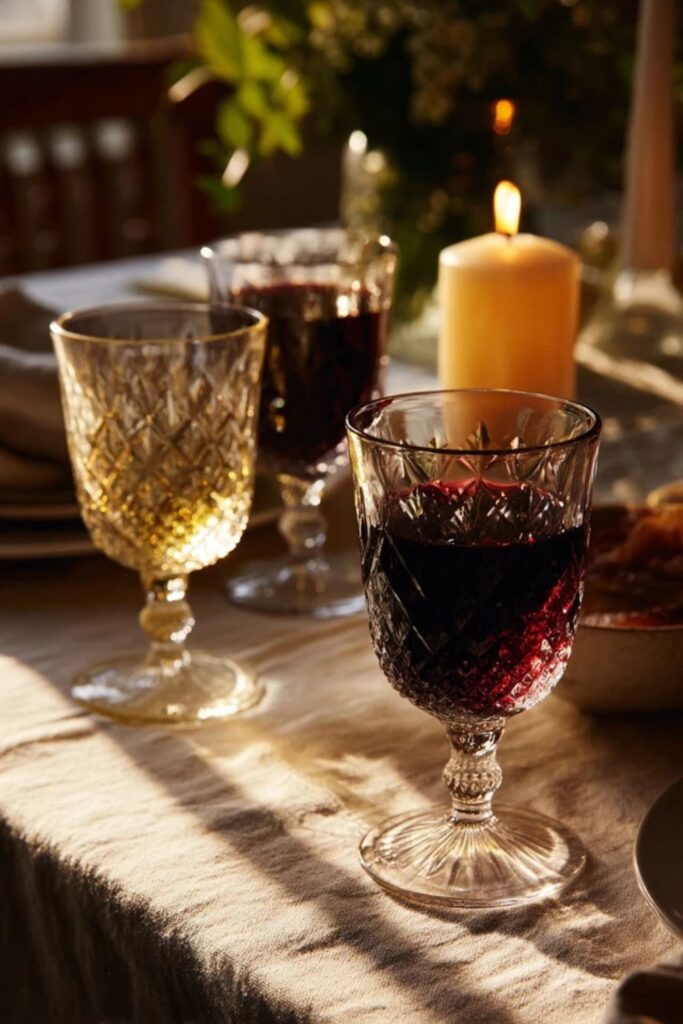
Pressed glass catches candlelight in a way that smooth crystal cannot. The cut patterns refract every flame into tiny prisms across the tablecloth. Martha uses vintage pressed glass goblets for both water and wine, and the mismatched shapes add character to the table.
Collect goblets one or two at a time from flea markets and estate sales. No two need to match in pattern, but keep them in the same family: all clear, all a similar height. The variety tells guests this table has been built over years of gathering, not purchased for tonight.
4. Beeswax Tapers in Mismatched Silver Holders
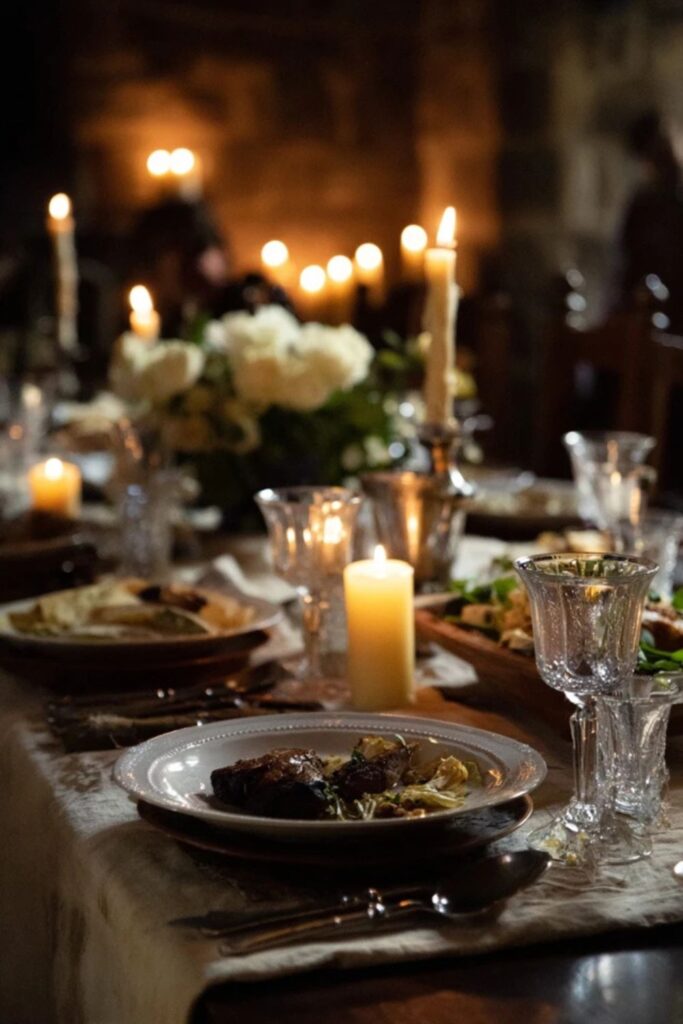
Candles are not optional at a Martha dinner. They are the primary light source. Beeswax tapers burn with a warm honey glow and a faint natural scent. The holders should be silver, mismatched in height, and spaced down the centre of the table.
Light the candles ten minutes before guests sit down. The flames should be established, not freshly lit and flickering. Three to five candles for a table of six creates enough glow to read faces across the table. Overhead lights stay off. The room belongs to the fire.
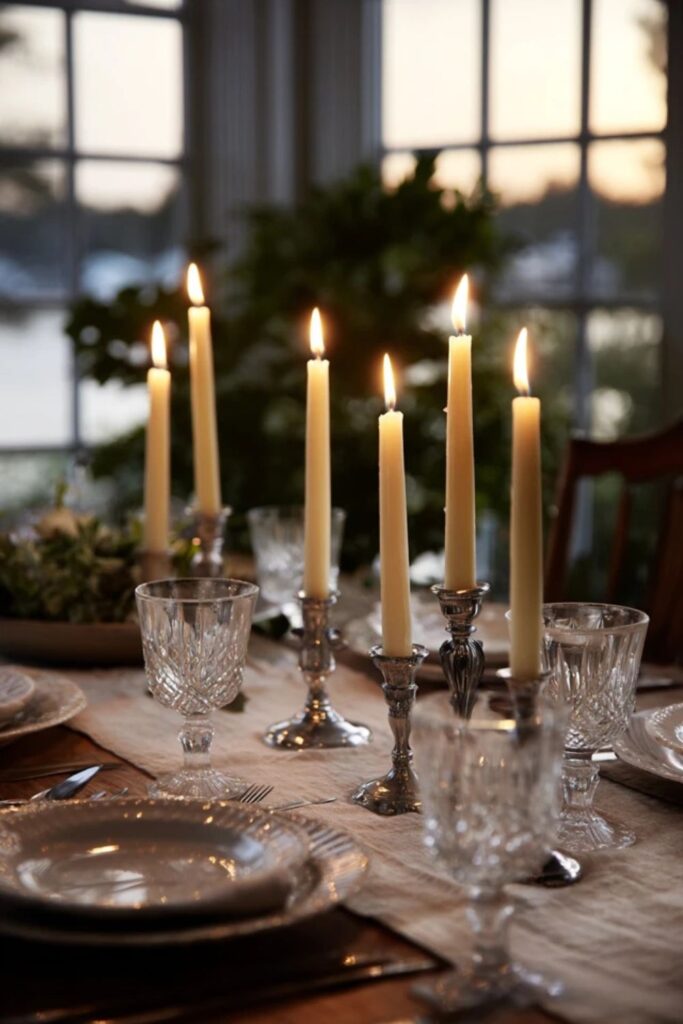
The table is set. Linens, ironstone, glass, and candlelight form the foundation of a Martha gathering. Everything that follows builds on this base with food, flowers, and the invisible details that make guests want to stay.
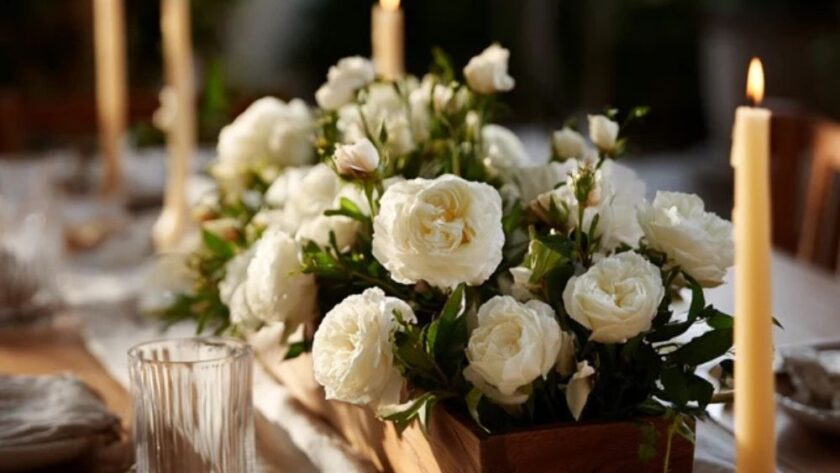
5. One Flower, One Colour, Low to the Table
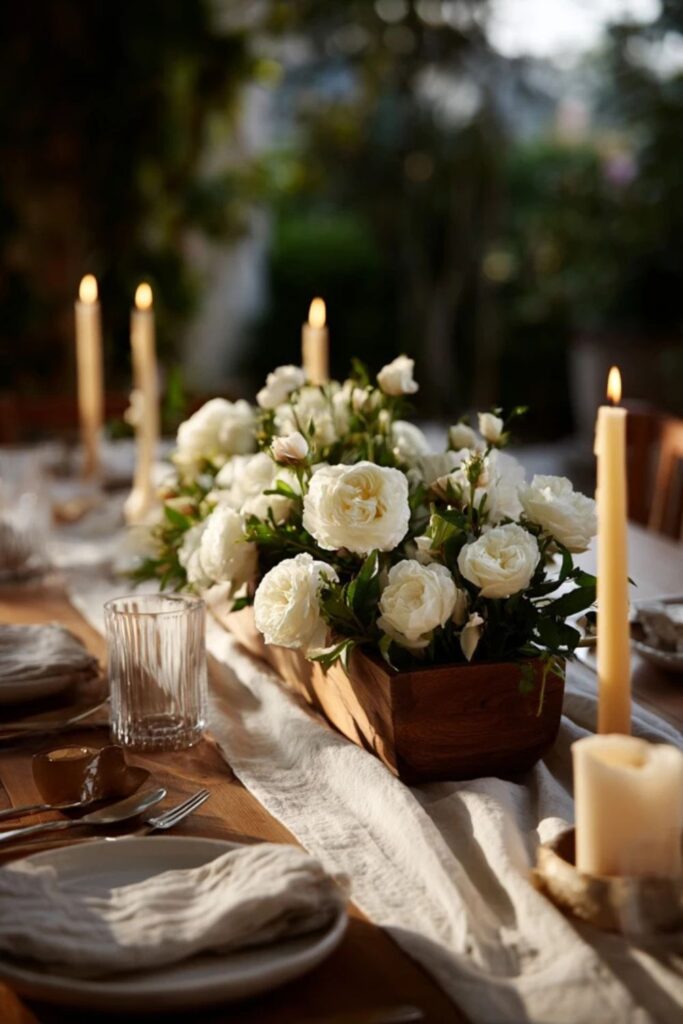
Martha’s table arrangements follow one rule: keep them low enough to see across. Guests should never have to peer around a tall centrepiece to talk. One variety of flower in a single colour, arranged loosely in a long trough or a row of small vessels, is all you need.
White garden roses in summer. Copper dahlias in fall. Forced paperwhites in winter. The flowers should be seasonal and local if possible. Cut them from the garden that afternoon or buy them from a farmers’ market. Arrangements from the garden carry a freshness that shop flowers rarely match.
6. Serve Family Style in the Pot You Cooked In
Martha serves from the vessel the food was cooked in. A copper pot of stew goes straight to the table on a trivet. A roasted chicken sits on the wooden board it was carved on. A salad is tossed in the bowl it was mixed in. This approach removes the pretence of fine dining and replaces it with warmth.
Family-style serving also keeps the host at the table. When the food is in the centre and guests serve themselves, nobody disappears into the kitchen to plate individual courses. The meal becomes communal. Passing dishes and refilling bowls creates the conversation that formal service interrupts.
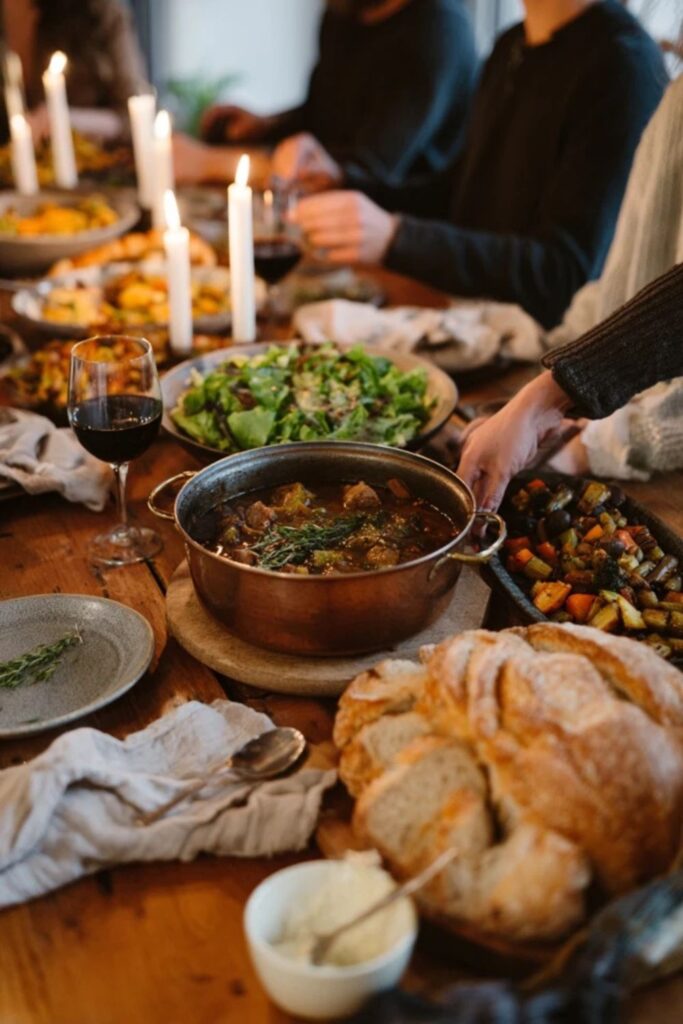
7. A Copper Pot as the Centrepiece of the Meal
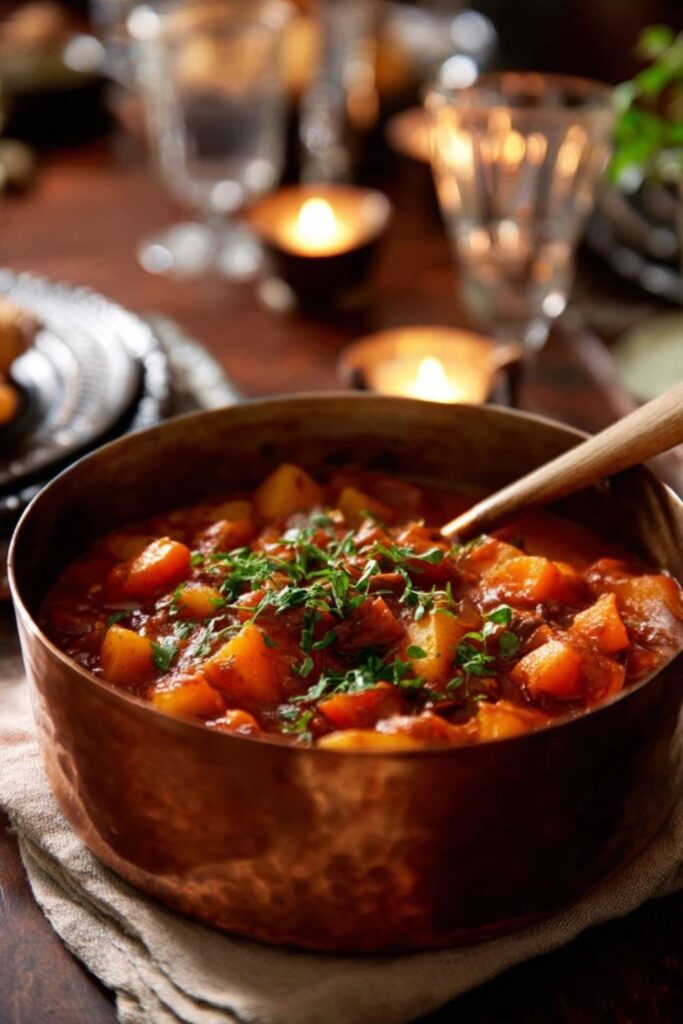
Copper is Martha’s signature serving material. A well-used copper pot on the table does double duty as both vessel and visual anchor. The warm metal reflects candlelight and pulls the entire colour scheme together. It also signals that the food matters as much as the setting.
Choose copper that shows use. A little patina, a darkened handle, a dent from years of stirring. New copper works too, but seasoned copper tells a story. Place the pot on a thick linen napkin or a wooden trivet to protect the tablecloth and to frame it like an object worth noticing.
8. Linen Napkins, Never Paper
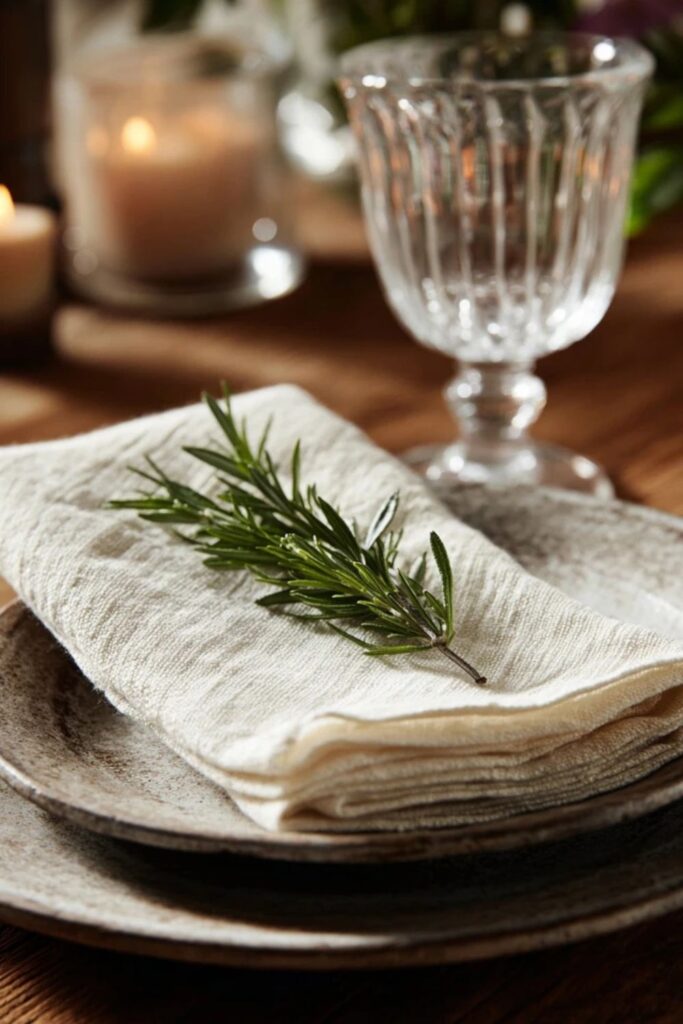
Paper napkins do not exist in Martha’s hosting vocabulary. Not for Tuesday dinner, not for a crowd of twenty, not ever. Linen napkins are the single item that signals more care and intention than any other detail on the table. They soften in your lap and absorb without disintegrating.
Fold them simply. In thirds, in a rectangle, placed to the left of the plate or on top of it. Skip the fanned shapes and origami folds. A napkin folded with quiet precision says more than a napkin twisted into a swan. Collect them over time in white and cream.
9. A Make-Ahead Menu So the Host Can Sit Down
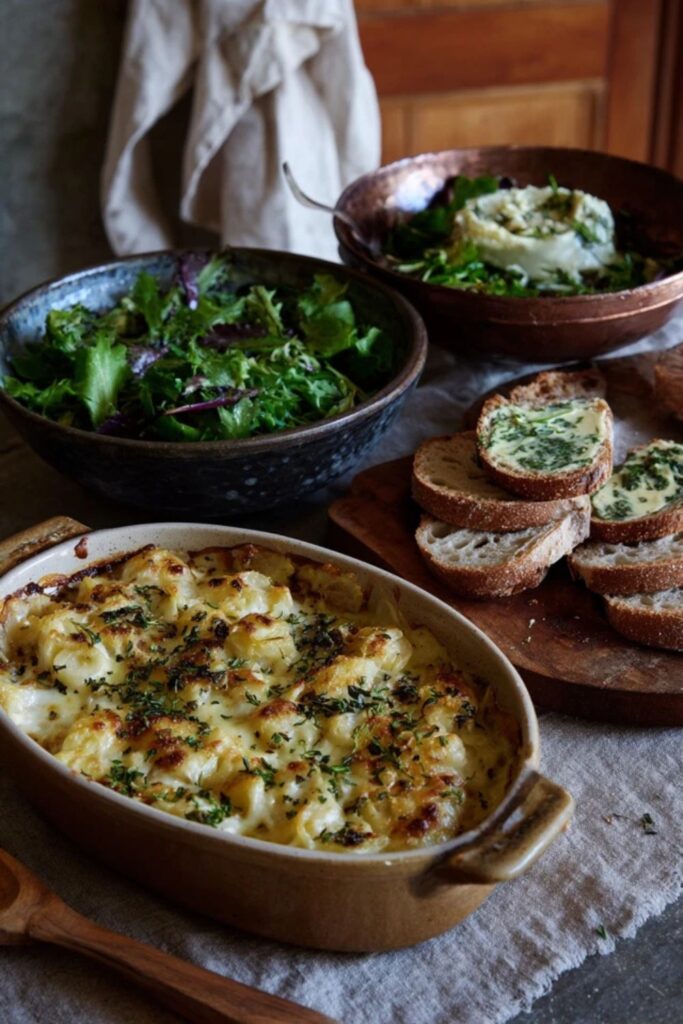
Martha’s strongest hosting advice is also her simplest. Cook dishes that are done before anyone arrives. Cold first courses, room-temperature salads, slow-braised mains, and make-ahead desserts let the host stay seated. She favours simple, proven recipes: salmon with mustard-honey sauce, pasta al limone, a roast that cooks itself.
The Entertaining book is full of menus designed this way. Every dish can be finished, held, and served without last-minute fuss. This is not laziness. It is strategy. The host who is present at the table, refilling glasses and joining the conversation, creates a better evening than the host trapped behind the stove.
The food and the table are ready. From here, the details shift to atmosphere, timing, and the small gestures that separate a meal someone attended from one they remember long after the candles burn down.
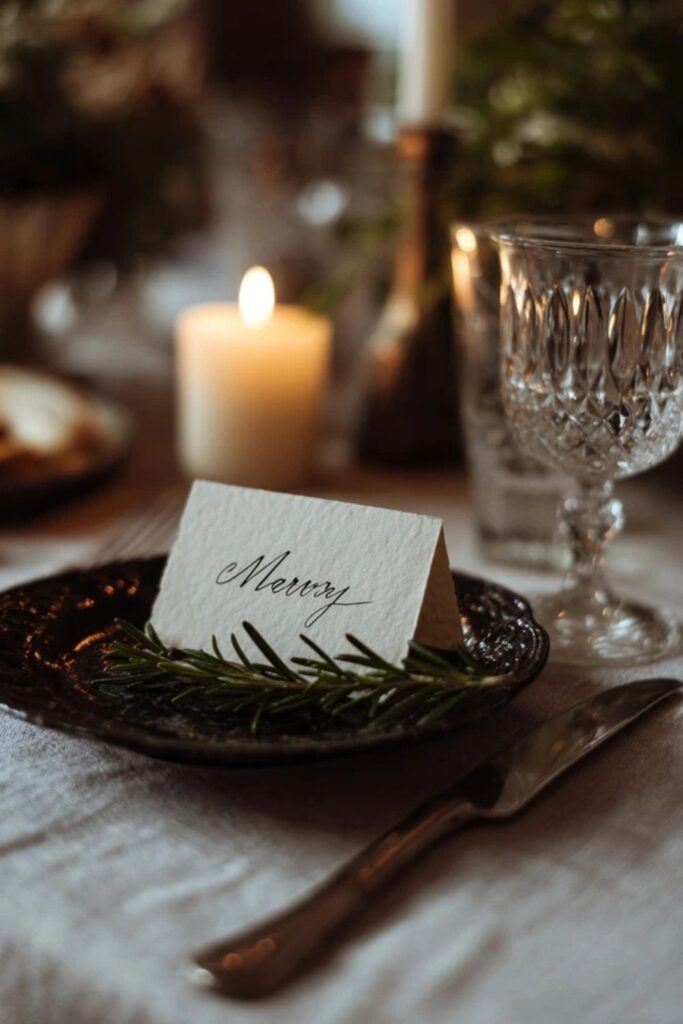
10. A Handwritten Place Card at Every Seat
Martha believes every guest should feel seen. A small handwritten place card, not printed, not typed, leaned against each plate tells someone you thought about where they would sit. It also prevents the awkward shuffle of guests choosing seats at random.
Use heavy card stock in cream or white. Write names in ink, not marker. Tuck a sprig of rosemary or a small leaf beneath the card. This ten-minute task, done the afternoon before, has more impact than a centrepiece. It tells guests the evening was planned with them in mind.
11. Set the Table the Night Before
Martha sets her table the night before a dinner party. The plates, the glasses, the silver, the candles, all arranged and waiting. This one habit removes the single biggest source of hosting panic: running out of time on the day itself.
Walk through the table once it is set. Sit in each chair to check the view. Make sure no candle blocks a sightline. Adjust the spacing between settings so elbows have room. A table set early and checked twice is a table that feels effortless to guests, even though it was planned with precision.
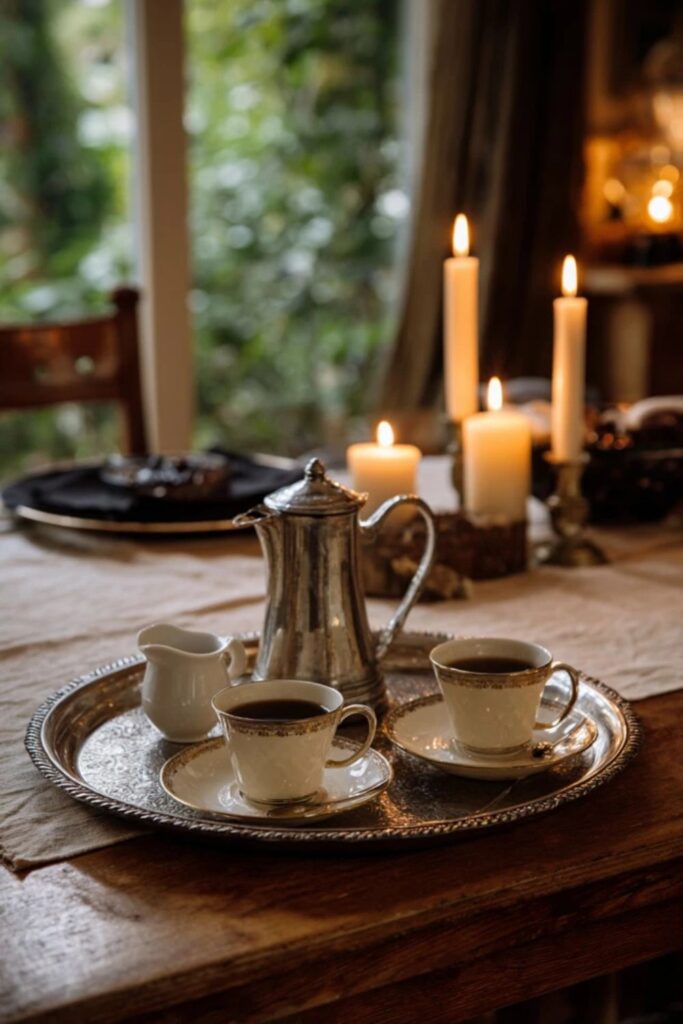
12. Coffee Service on a Silver Tray
Dessert deserves its own moment, and coffee deserves its own presentation. Martha serves coffee on a silver tray with a cream pitcher, a sugar bowl, and small cups. The tray moves from the kitchen to the table or the living room as the evening shifts.
Use real coffee cups, not mugs. Small porcelain or ironstone cups elevate the act of drinking coffee after dinner into something worth pausing for. The silver tray collects the elements and makes carrying them graceful. This small ritual extends the evening by thirty minutes and gives the conversation its best chapter.
13. A Signature Dish You Have Made Before
Martha’s rule is firm: do not experiment on your guests. Make something you have cooked before and know is good. A signature dish, one you have mastered, removes the anxiety of trying something new under pressure. It also becomes part of your reputation as a host.
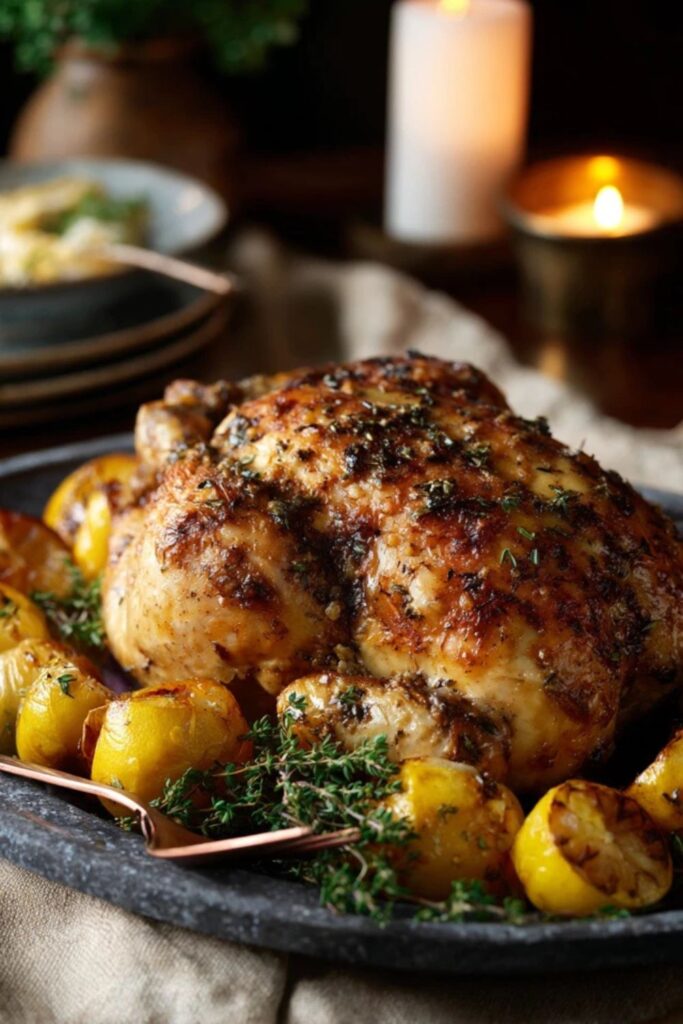
Choose one main dish and own it. A braised lamb that cooks for hours and forgives timing. A roast chicken that never fails. A pasta you can make with your eyes closed. Martha’s own quick favourites include salmon with mustard-honey sauce. The point is confidence, not novelty.
14. Food That Looks Touched by Hands
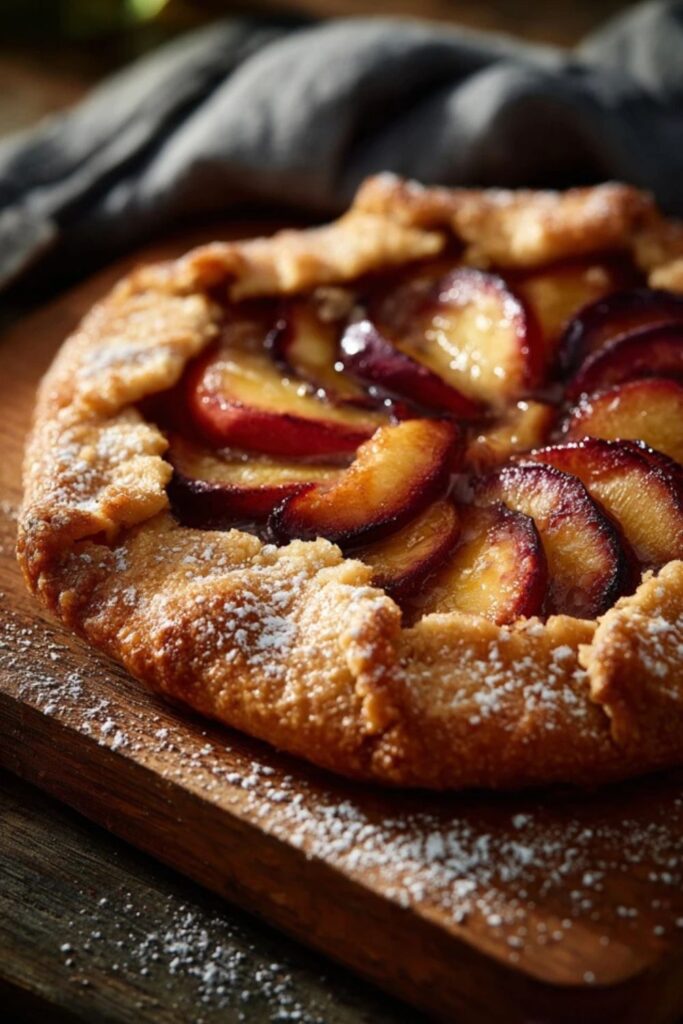
Martha’s food styling follows one principle: it should look like a person made it. Flour left on the board beside a just-sliced galette. Herbs scattered, not placed. Bread torn, not sliced into uniform pieces. A platter where the food spills slightly over the edges.
This “unfinished” quality is what separates Martha’s food from restaurant plating. The imperfection is deliberate. It tells guests the meal was made here, in this kitchen, by someone who cares about flavour more than geometry. A table of beautiful, imperfect food feels generous in a way that fussy plating never does.
The atmosphere is built, the food is honest, and the table tells a story. These final three ideas address the invisible layer of hosting that guests feel but rarely name: the generosity that lingers after the plates are cleared.
15. A Small Gift for Each Guest
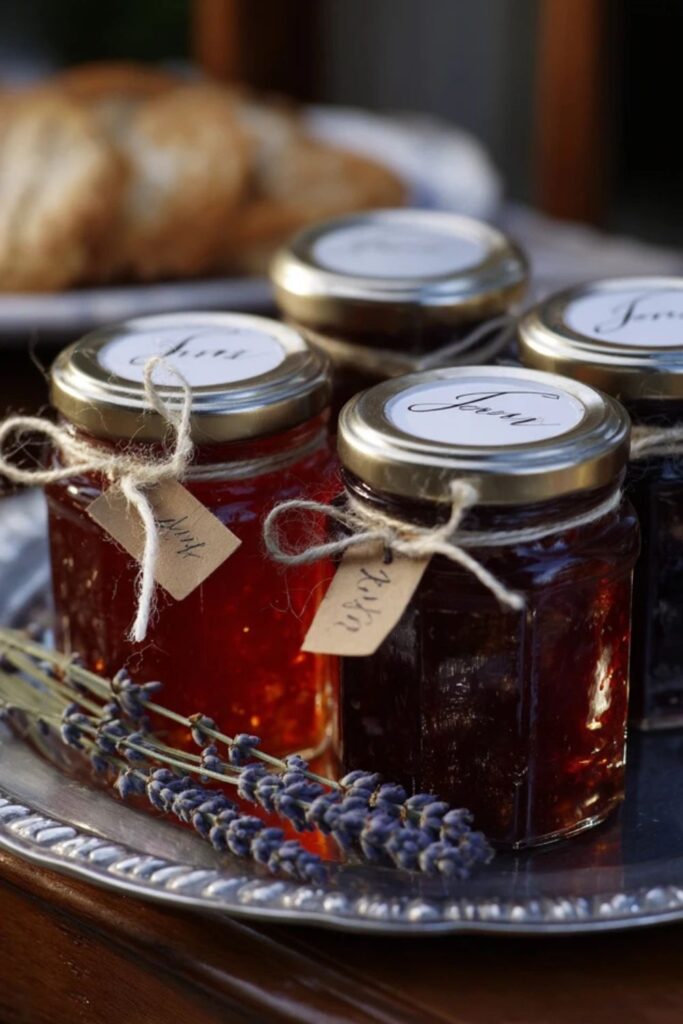
Martha sends guests home with something from the evening. A jar of homemade jam with a handwritten label. A small paper bag of cookies tied with cotton string. A bundle of fresh herbs from the garden wrapped in a linen scrap. The gift does not need to be expensive. It needs to be made or chosen with care.
Place the gifts on a tray near the door, or tuck them beside each place setting at the start of the evening. The gesture tells guests the evening was planned for them, specifically. It also gives them a reason to think about the meal the next morning when they open the jar.
16. The Host Who Sits Down First
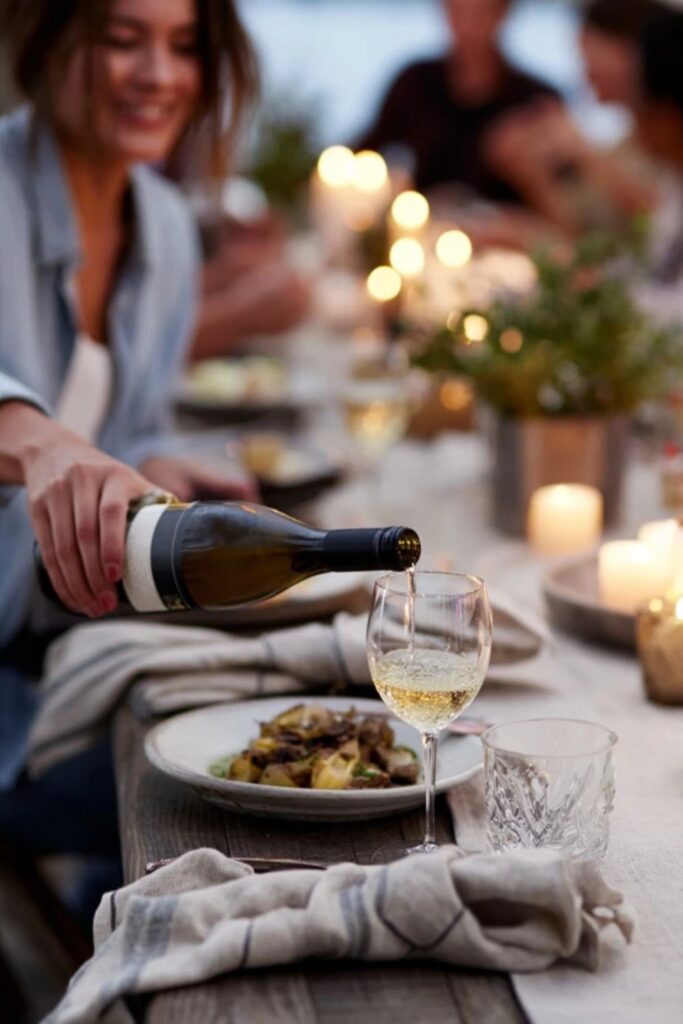
Martha’s deepest hosting insight is presence. The host who sits down first, who refills a glass without being asked, who asks a question and listens to the full answer, creates an evening that no centrepiece or menu can match. Preparation exists so the host can be fully present.
This is why the menu is make-ahead. This is why the table is set the night before. Every logistical decision Martha makes serves one purpose: freeing the host to be a guest at their own table. When you sit down, the room relaxes. Everyone eats more slowly and talks more freely.
17. The Table After Everyone Has Gone
The most Martha image of all is the table after the meal. Candles burned to stubs. Pressed glass goblets with wine stains at the rim. Crumbs on the linen cloth. A wilting rose centrepiece that held up for four hours of laughter. This is what a good evening leaves behind.
Do not rush to clear it. Martha has said that the aftermath of a dinner party is its own kind of beauty. It is proof that people gathered, ate, talked, and lingered. Walk past the table on the way to bed and let it sit until morning. The mess is evidence of something worth making.
Martha Stewart aesthetic hosting is not about perfection or performance. It is about generosity made visible. Linen instead of paper. Candles instead of overhead light. Food served in the pot it was cooked in.
Start with one thing from this list. Set the table the night before. Fold a linen napkin and place it with care. Light a beeswax candle and sit down at your own table. The gathering starts the moment you decide the evening matters.
The best hosts are not the busiest ones. They are the ones who make you forget they did anything at all.
You might also like: