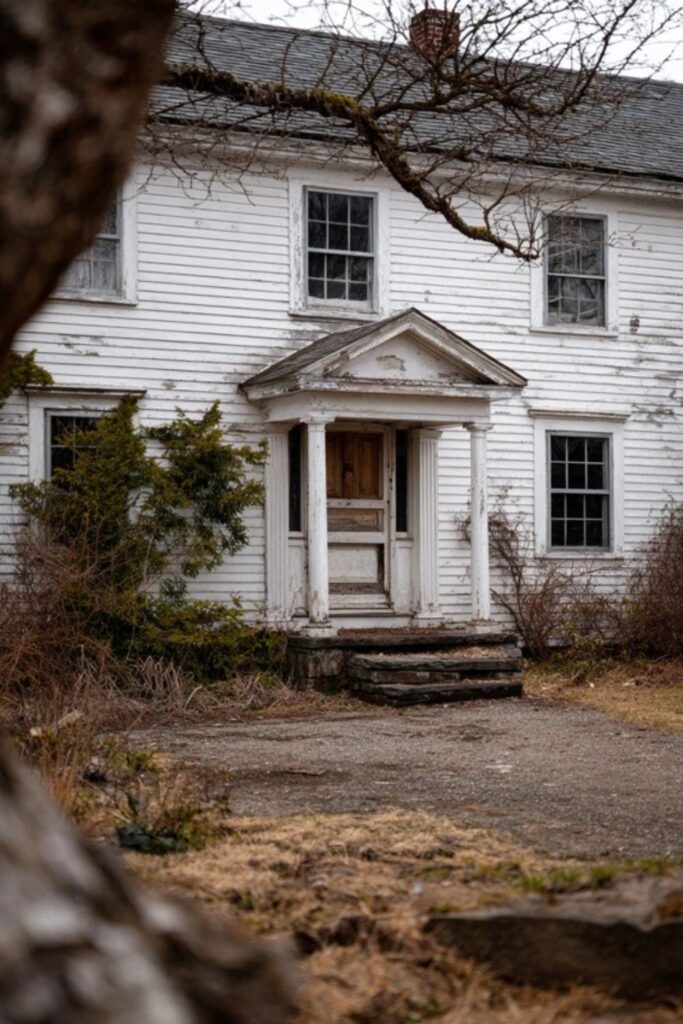
In 1971, Martha and her husband Andy paid $46,750 for a farmhouse in Westport, Connecticut that had no central heating, faulty electricity, and two acres of weeds. It was built in 1805 by an onion farmer named Captain Thorpe. Martha later said, “If I hadn’t had Turkey Hill, I wouldn’t be me.”
1. Bought for $46,750 in Complete Disrepair
The house had been rented for fifty years. Nobody had preserved it. Martha’s sister Kathy described visiting: “We were thinking, how are two people and a baby living in this chaos? It was just a wreck.” Martha saw bones where others saw ruin: wide-plank floors, elegant windows, seven fireplaces.
2. Restored Without a Single Contractor
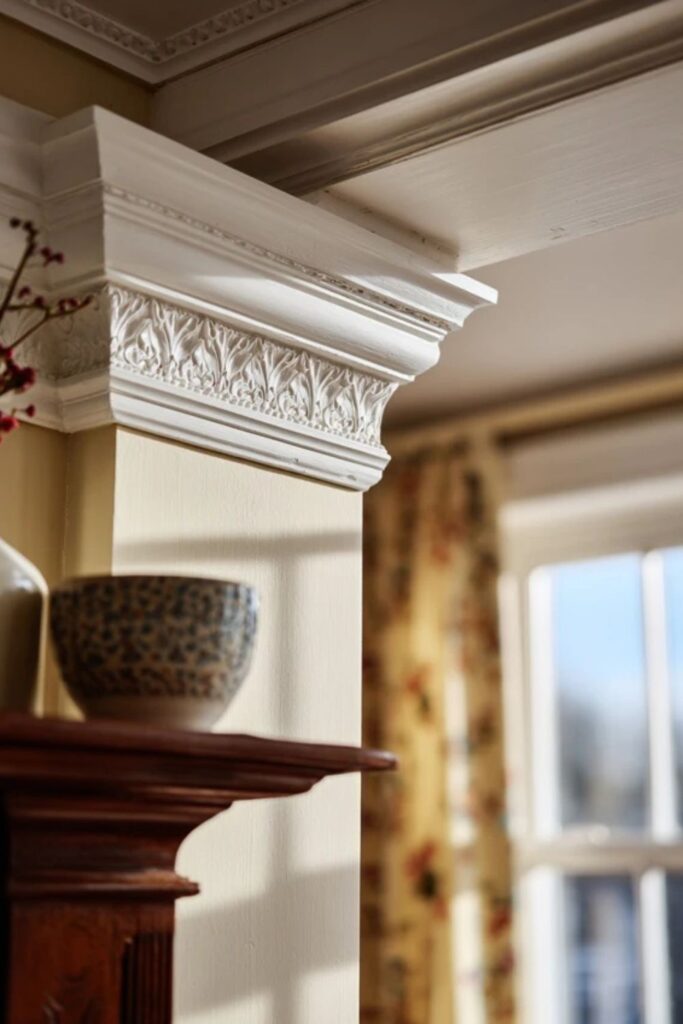
Martha and Andy did every renovation themselves. No outside contractors. They learned plumbing, wiring, plastering, and carpentry as they went. Martha installed dentil crown moulding in the north parlor by hand. Her brother George built the kitchen cabinets.
3. Heritage Fruit Trees Planted First
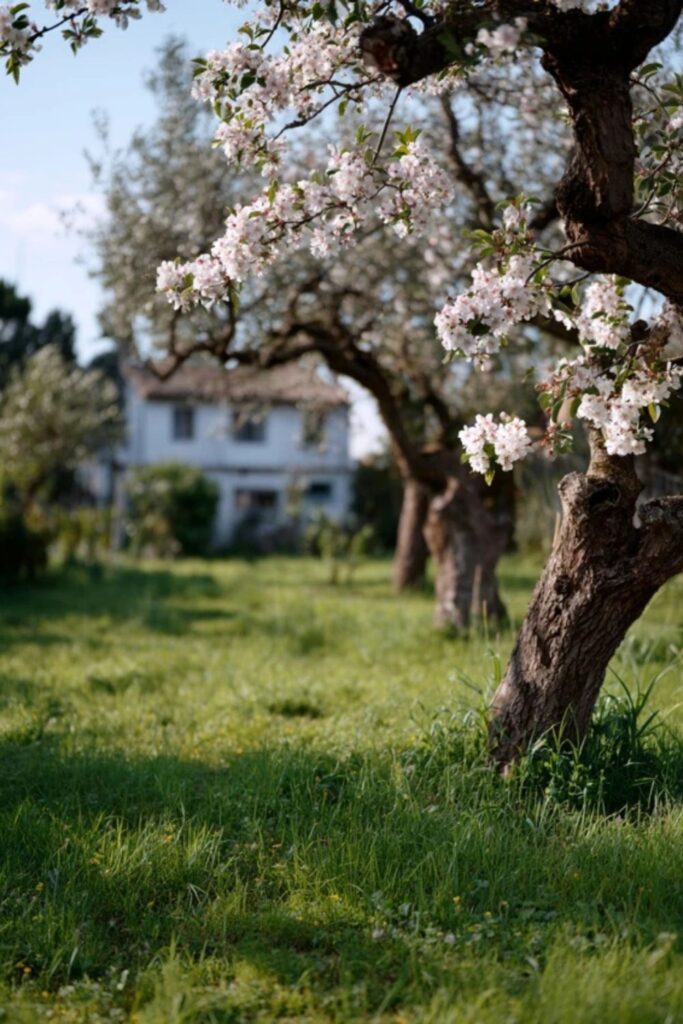
Before fixing the kitchen, Martha planted an orchard of heritage fruit trees. The first act of homemaking at Turkey Hill was not interior. It was putting roots in the ground. The trees would take years to bear fruit. She was building for the long term from day one.
4. Pumpkin Pine Floors That Creaked
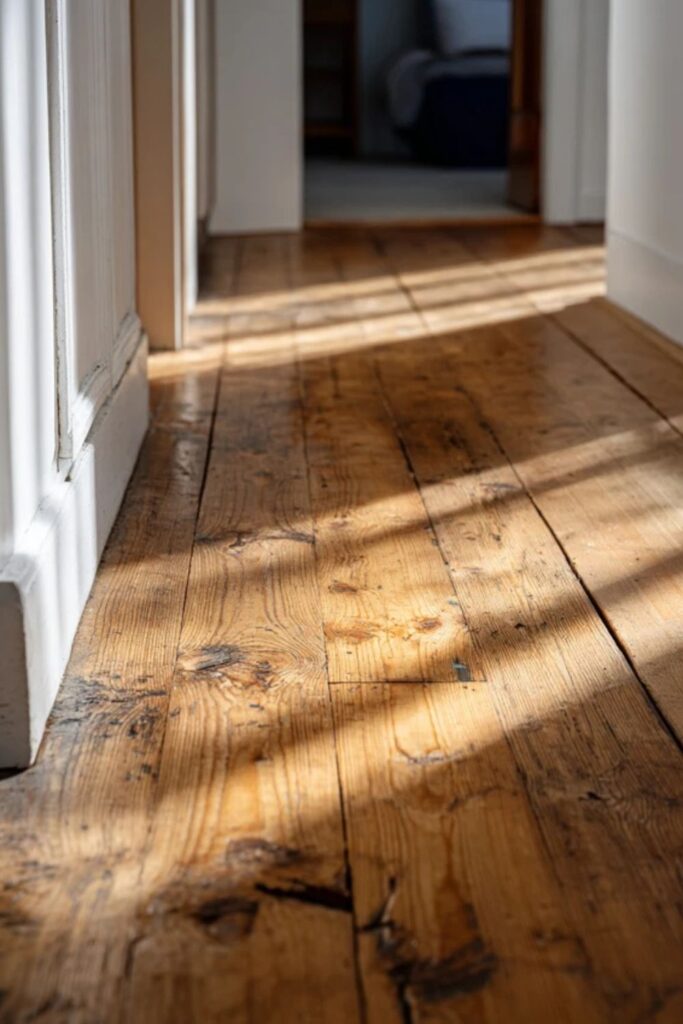
The original wide-plank pumpkin pine floors were kept, not replaced. They creaked with every step. The new owners who bought Turkey Hill in 2007 said the first thing that drew them in was “how the 200-year-old pine floors creaked under my feet.” Real floors talk.
5. The Tobacco Barn Gift
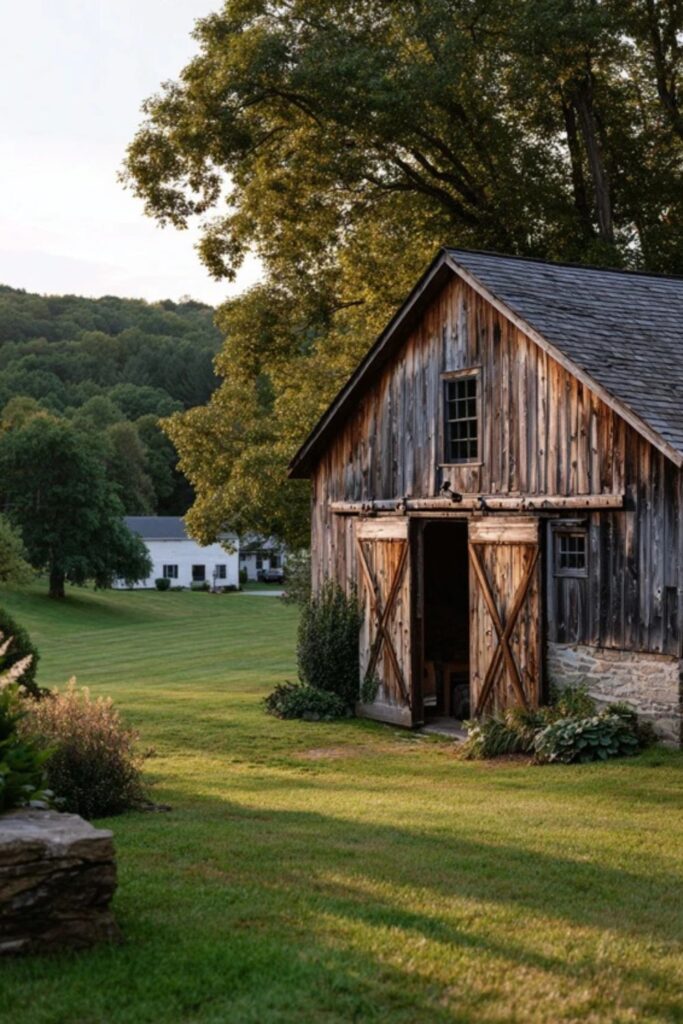
In 1976, Martha bought a disassembled 1900 Connecticut tobacco barn for $15,000 and gave it to Andy as a Father’s Day gift. They rebuilt it on the property as a gathering space. The barn became one of the most photographed structures in her early career.
The house is standing and the grounds are planted. What follows shows how Turkey Hill became the laboratory that launched an empire.
6. The Kitchen from “Entertaining”
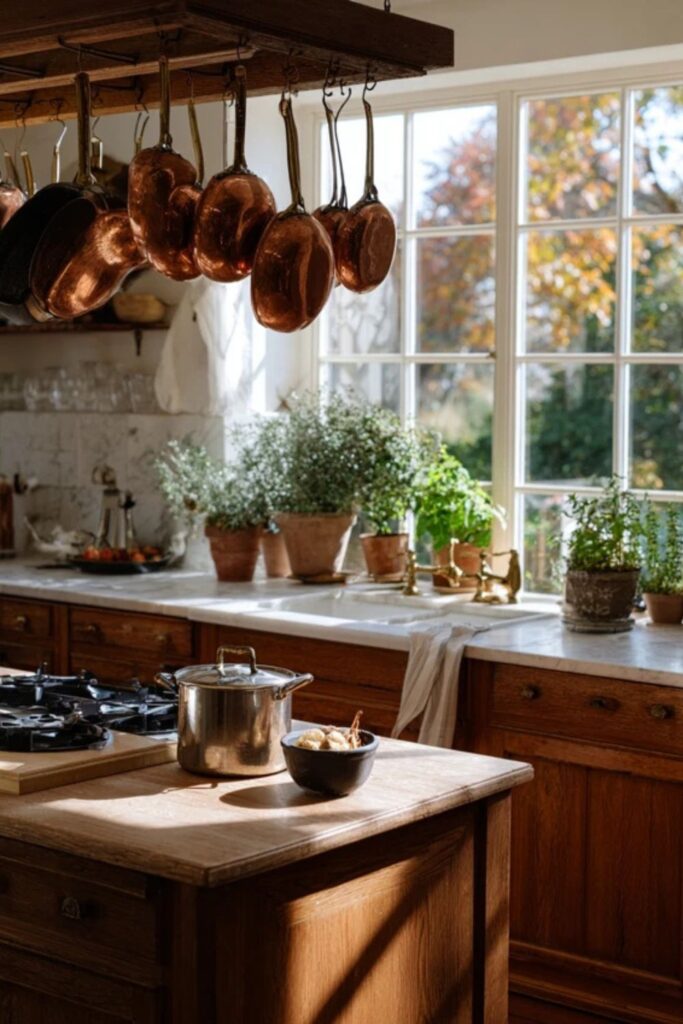
The Turkey Hill kitchen featured sycamore wood cabinets and a copper pot rack that appeared on the cover of Martha’s 1982 cookbook “Entertaining.” This kitchen taught millions of Americans that a home kitchen could look as serious as a restaurant’s. The pot rack alone became a design movement.
7. Eighty Chickens in Le Palais Des Poulets
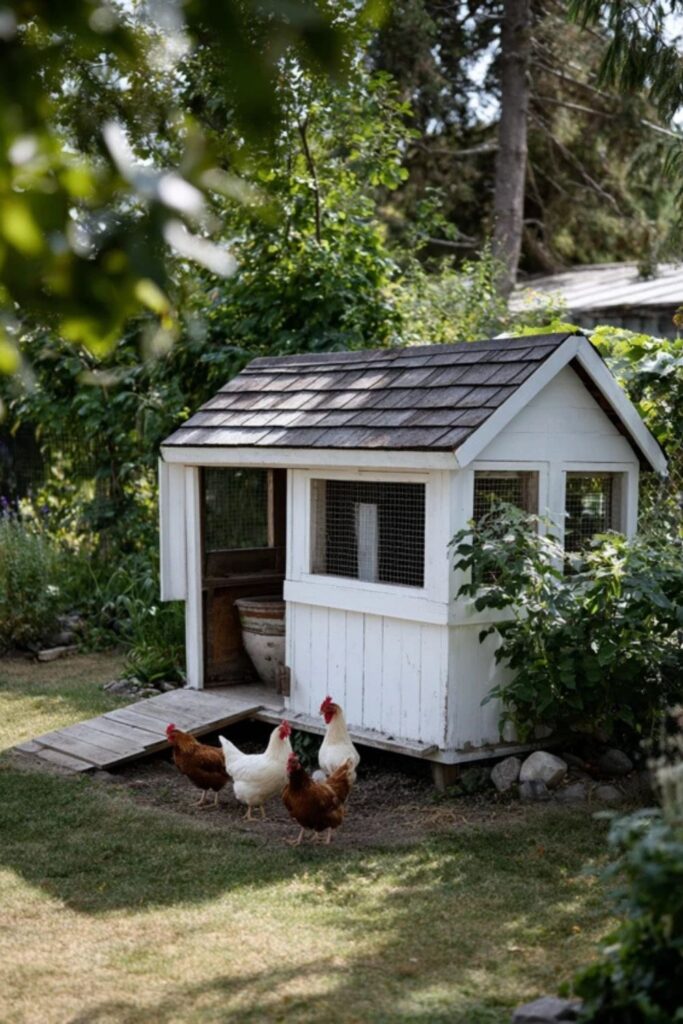
Martha kept about eighty laying hens in a chicken coop she named “le Palais Des Poulets,” the Palace of Chickens. The eggs appeared in her recipes, her Easter decorating, and eventually inspired her first paint color line. The chickens were not pets. They were part of the system.
8. Seven Fireplaces
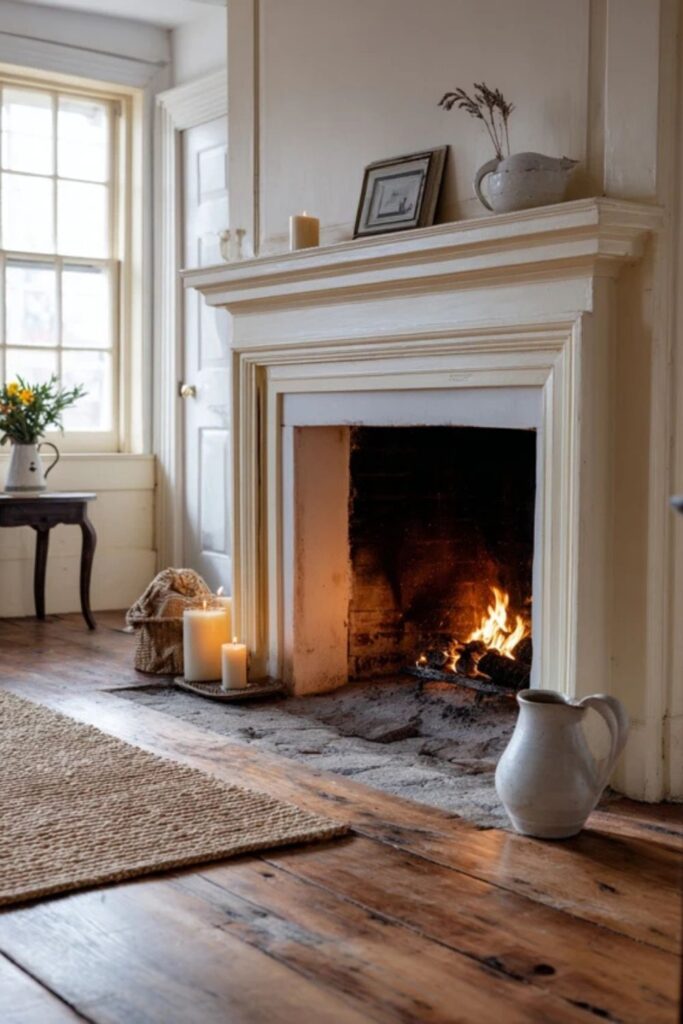
Turkey Hill had seven fireplaces scattered throughout the house. When Martha moved in, none of them worked properly. She restored each one. The fireplaces were not decorative. They were the only heat source in the house during those first winters before central heating was installed.
9. The Garden Viewed by Helicopter
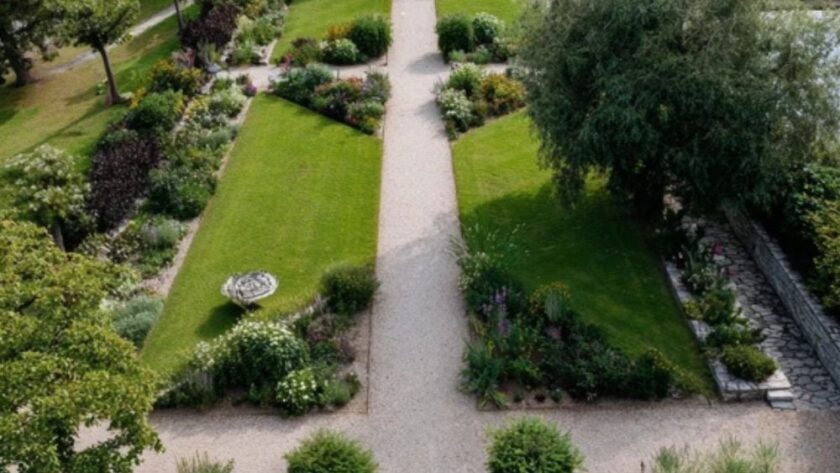
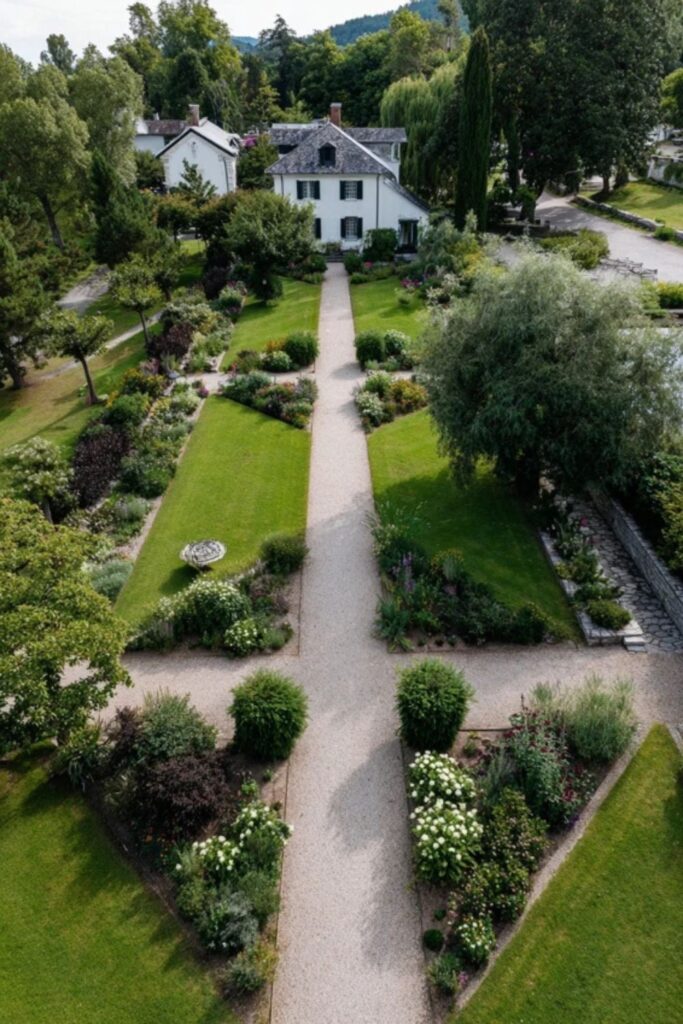
Martha used helicopter rides to view Turkey Hill from above so she could perfect the symmetry and layout of the gardens. The gentle slope toward Long Island Sound provided ideal growing conditions. She treated the garden like a design project, not a hobby.
10. Crisp Whites and Soft Greens in the 1990s
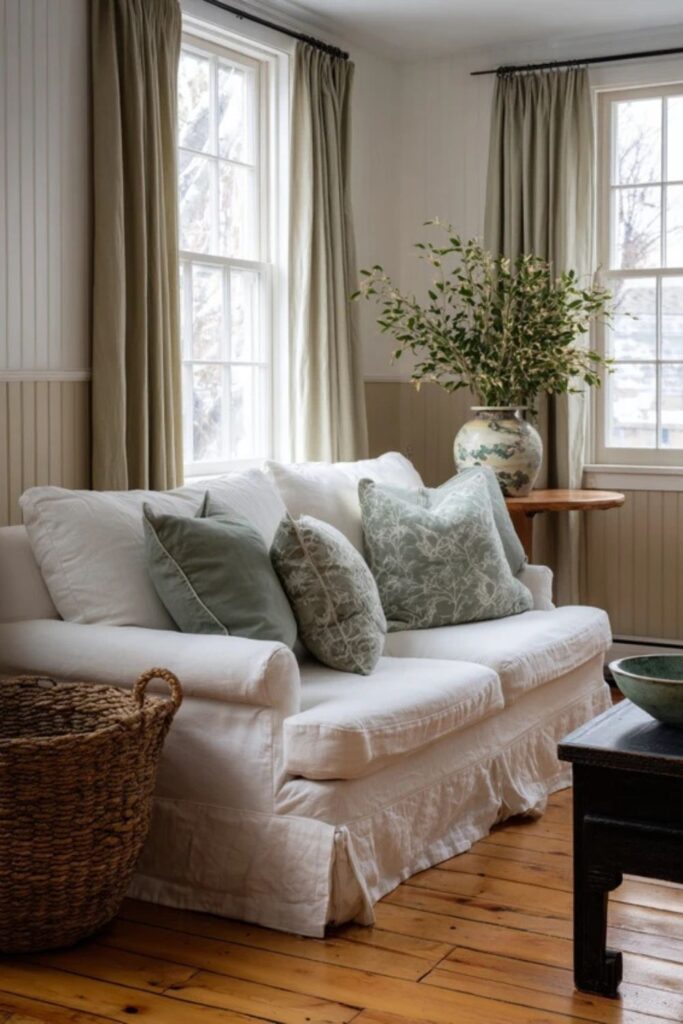
By the late 1990s, Martha reimagined the interiors with a palette of crisp whites and soft greens. This color scheme, developed at Turkey Hill, became the visual foundation of Martha Stewart Living magazine and foreshadowed the clean, classic look she would carry to every future home.
11. The TV Show Filmed in the Carriage House
Martha’s television show launched in 1993 and was filmed extensively at Turkey Hill. The carriage house served as the primary filming location. America watched Martha cook, garden, and craft in a real home, not a studio set. The house was the show.
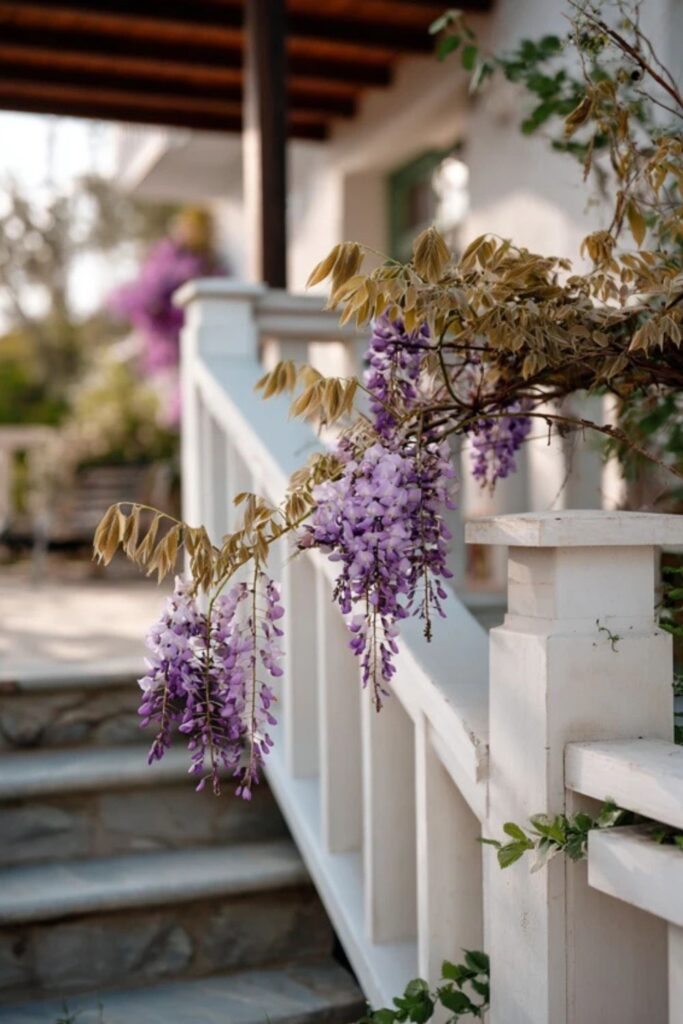
12. The Wisteria from Nutley
Martha transplanted a wisteria vine from her childhood home in Nutley, New Jersey to the base of the porch steps at Turkey Hill. It grew for thirty years. When the new owners took over in 2007, the wisteria still stood at the same spot, connecting Martha’s childhood to her empire.
13. The Magazine Launched from This Kitchen
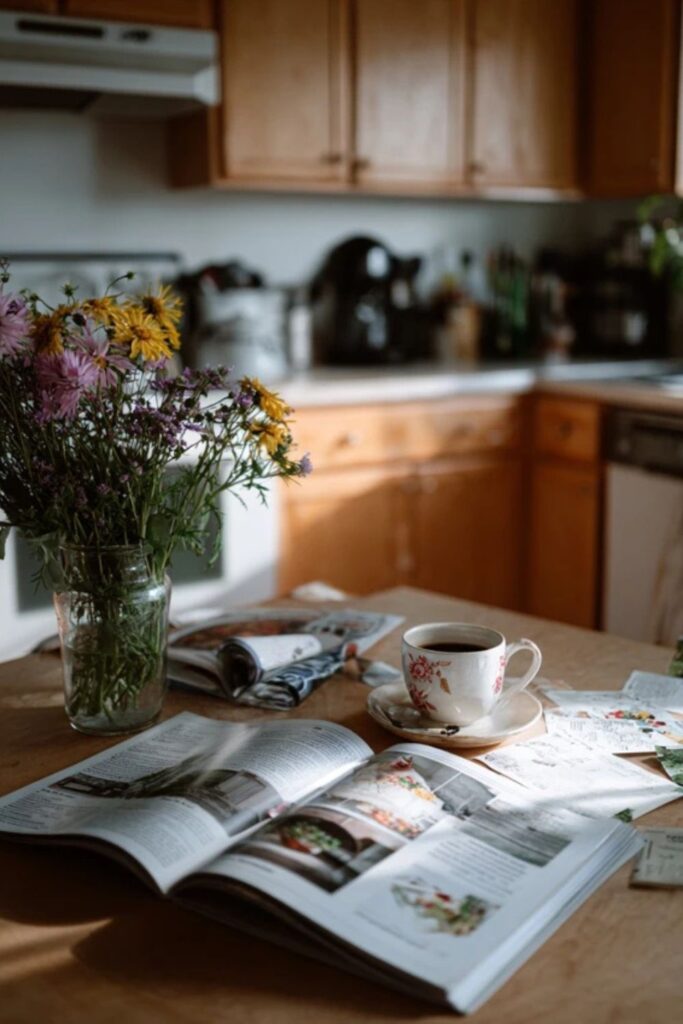
Martha Stewart Living magazine launched in 1990, and Turkey Hill was its primary visual source. Recipes were tested in this kitchen. Gardens were photographed from these borders. Craft projects were developed on this table. The house was not just a home. It was an editorial headquarters.
14. Head Gardener Levy Froes for Twenty Years
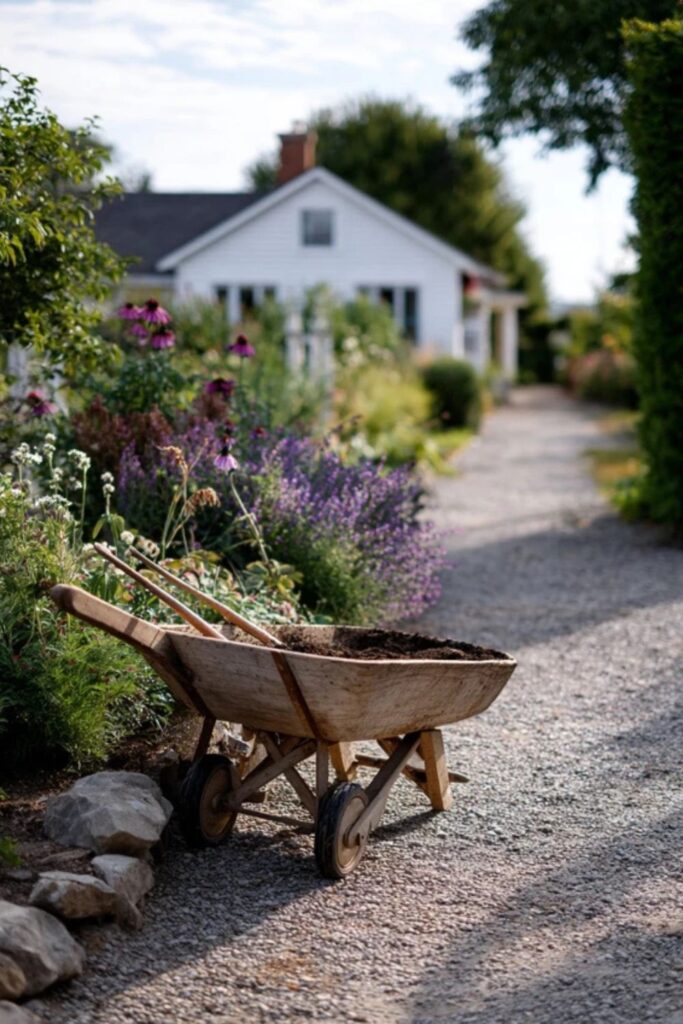
Martha’s head gardener, Levy Froes, worked at Turkey Hill for twenty years under Martha and then stayed on with the new owners. He called the garden “my legacy.” The continuity of one person caring for one piece of land for decades is what makes a garden look the way Turkey Hill looked.
15. Sold for $6.7 Million in 2007
Martha sold Turkey Hill for $6.7 million after thirty-six years. She had already moved to Bedford. The new owners, Casey and Chuck Berg, preserved the gardens and won a Historic Preservation Award. “She left us a wealth of beauty,” Casey said, “but we made it better.”
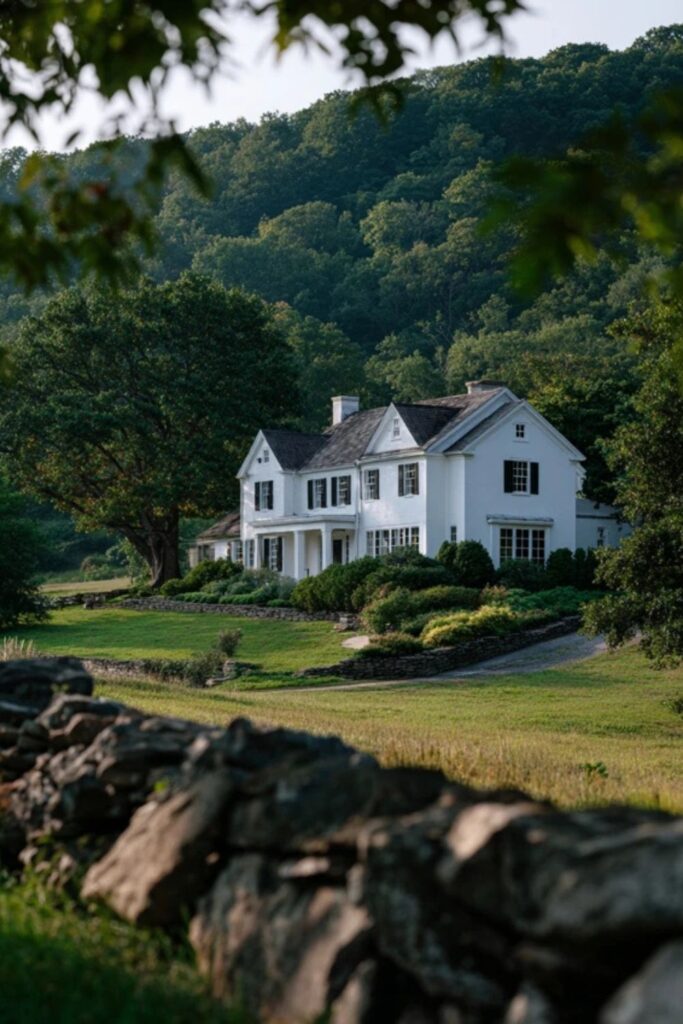
Martha Stewart’s Turkey Hill was not her grandest home. It was her first. Every principle she later applied to Bedford, Skylands, and Lily Pond Lane was learned here: plant the trees before you fix the kitchen, restore what is real, and treat the house like a project that will take your entire life. Turkey Hill took thirty-six years. It was worth every one.