
The oven timer dings, and the smell of roasting garlic fills the hallway. In the dining room, the candles have been burning for ten minutes, creating a soft, golden pool of light on the white tablecloth.
The Martha Stewart dinner party aesthetic is defined by a sense of generous calm. It is not about impressing guests with complicated French sauces, but about feeding them well in a beautiful setting.
This style relies on the mix of humble and refined: heavy silver forks next to rustic bread, or crystal glasses on a bare wooden table. It values conversation over perfection.
Here are 12 ways to set a table and serve a meal that feels timeless, warm, and gathered.
1. The Foundation of Linen
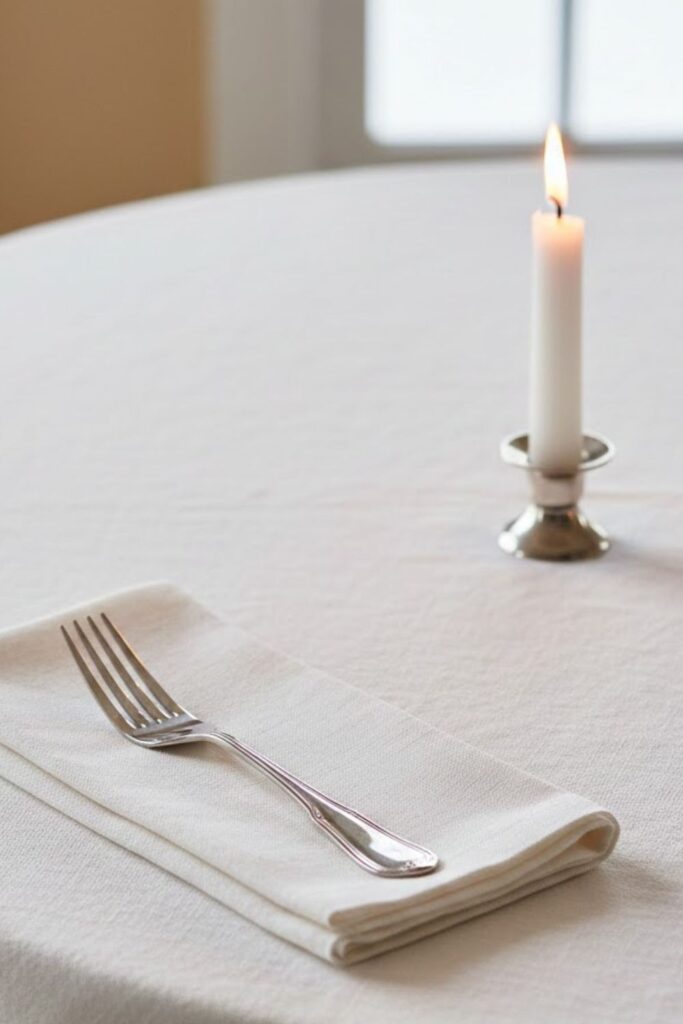
A dinner party begins with the cloth. Choose heavy linen in white or cream that drapes all the way to the floor, pooling slightly at the corners.
The fabric should feel substantial under your guests’ hands. Iron it while it is still damp to get that crisp, smooth finish that feels like a hotel but smells like home.
2. Beeswax Tapers Only
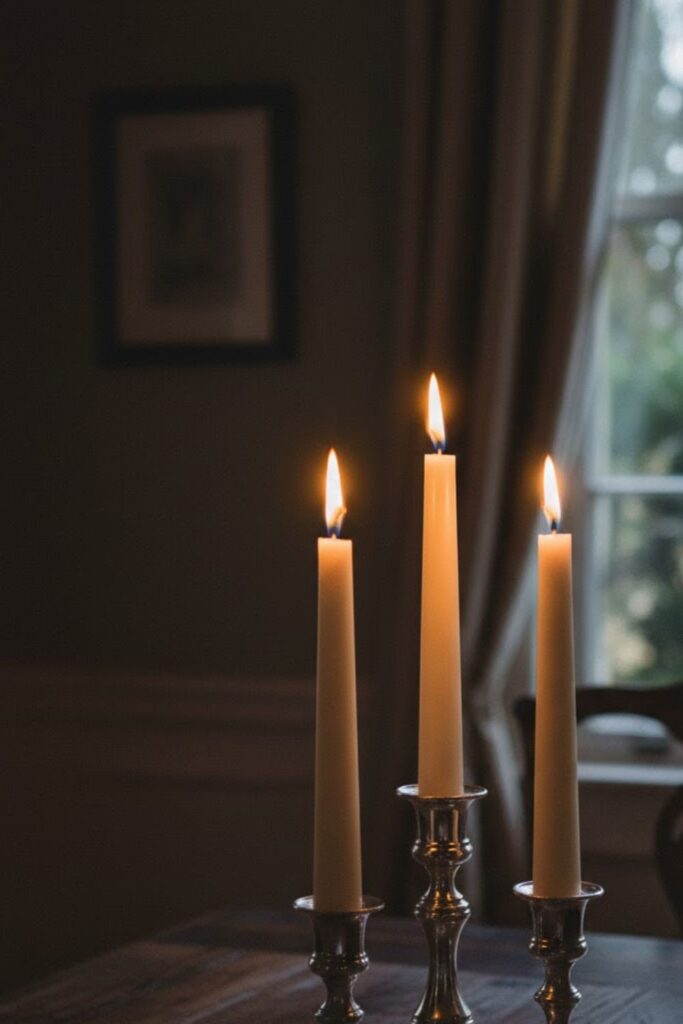
Lighting sets the mood before the food even arrives. Use tall beeswax tapers in silver or glass holders to create a warm, flattering glow.
Avoid scented candles at the table, as they interfere with the taste of the wine and food. Beeswax burns slowly and gives off a faint, natural scent of honey that is always welcome.
3. Low, Lush Florals
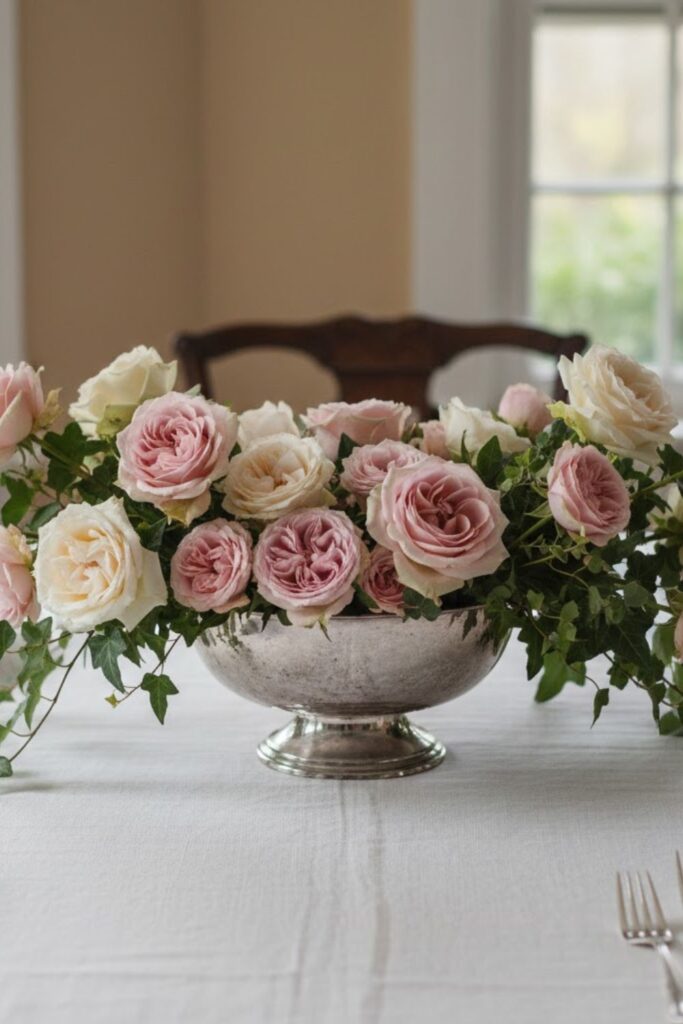
The centerpiece should never block the view across the table. Keep arrangements low and loose, using a shallow bowl or a series of small cups (julep cups work well).
Use flowers from the garden if you have them, or stick to one variety like tulips or peonies. The goal is to add life to the table without creating a wall between your friends.
4. Mismatched Silver
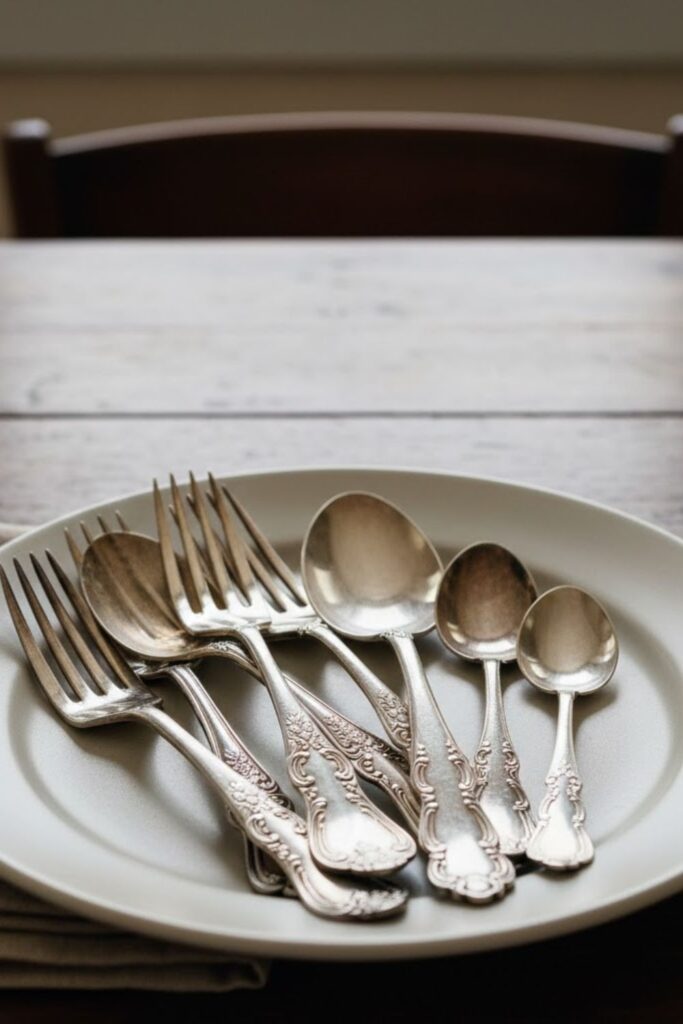
A table looks more interesting when it is not perfectly matched. Mix different patterns of silver flatware to create a look that feels collected over generations.
Do not worry if the forks are not from the same set as the knives. The variety adds character and suggests that you use your best things for everyday meals.
5. The Place Card
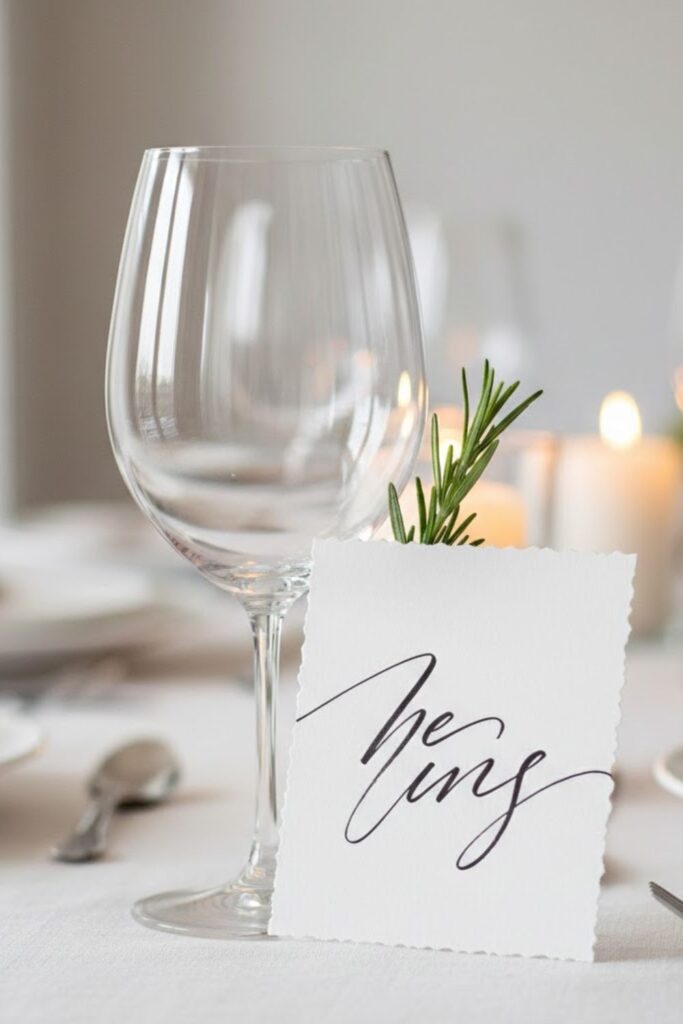
Assigning seats is not about being controlling; it is about taking care of your guests. It saves them the awkward moment of deciding where to sit and ensures good conversation mix.
Write the names by hand on simple cards. It is a small gesture that tells each person you were thinking of them before they arrived.
6. Ironstone and Drabware
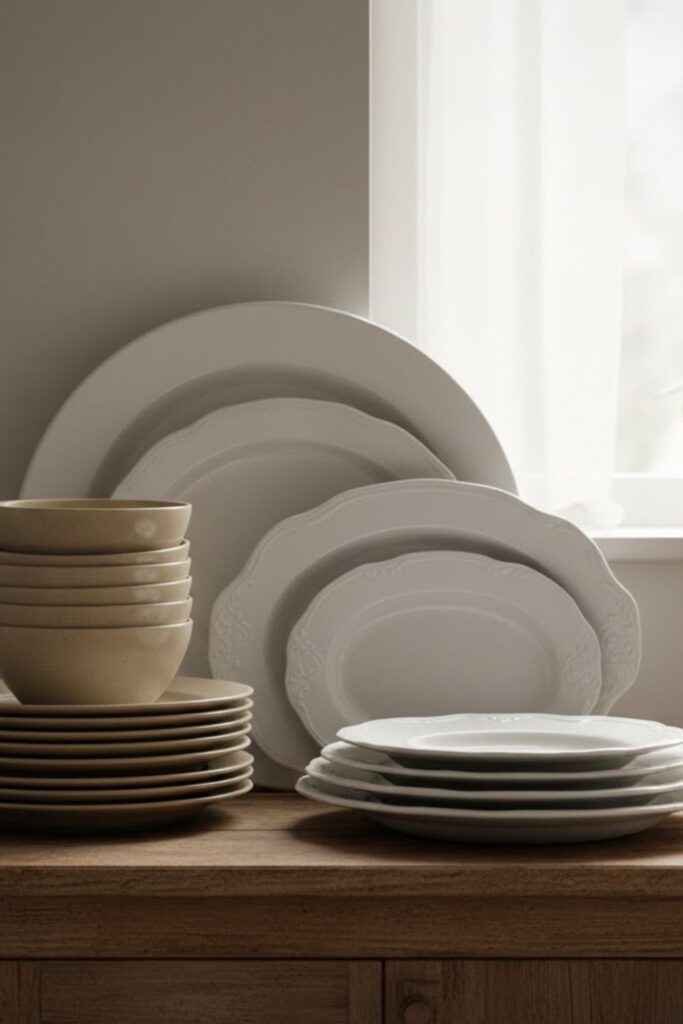
The food should always be the star, so keep the dishes simple. Heavy white ironstone or tan Drabware provides a neutral canvas that makes a roast chicken or a green salad look vibrant.
These ceramics are sturdy and hold heat well. Their simple shapes feel historic but modern enough for today.
7. Family Style Service
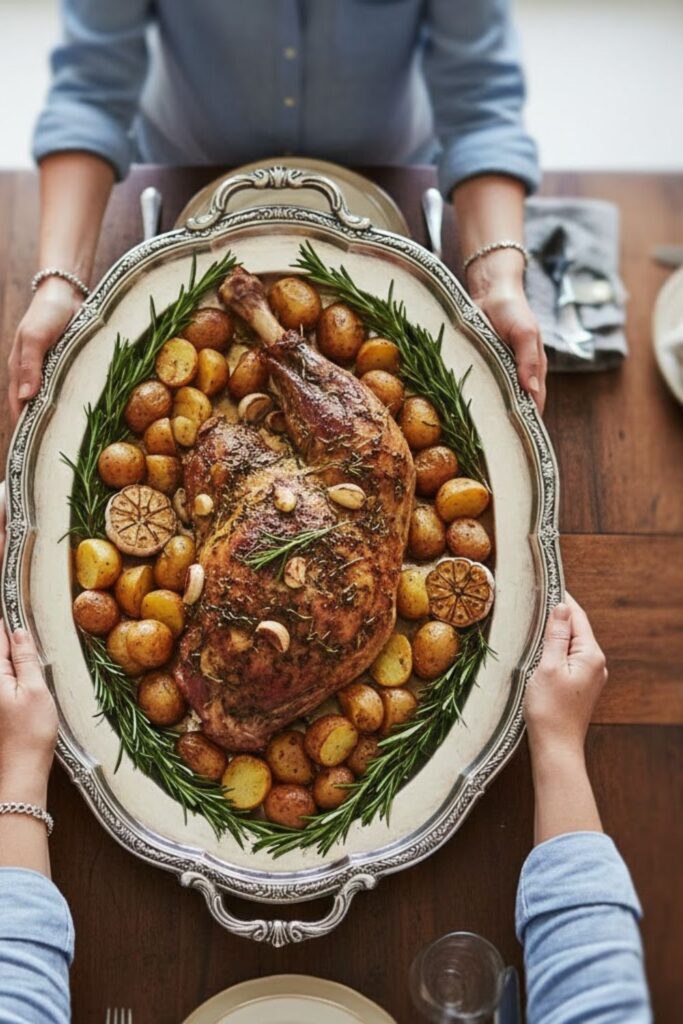
Plating food in the kitchen can feel stiff and restaurant-like. Instead, place large platters of food on the table and let guests serve themselves.
Passing heavy bowls of potatoes and platters of meat creates interaction and warmth. It encourages a feeling of abundance and sharing that defines a good party.
8. Decanted Wine
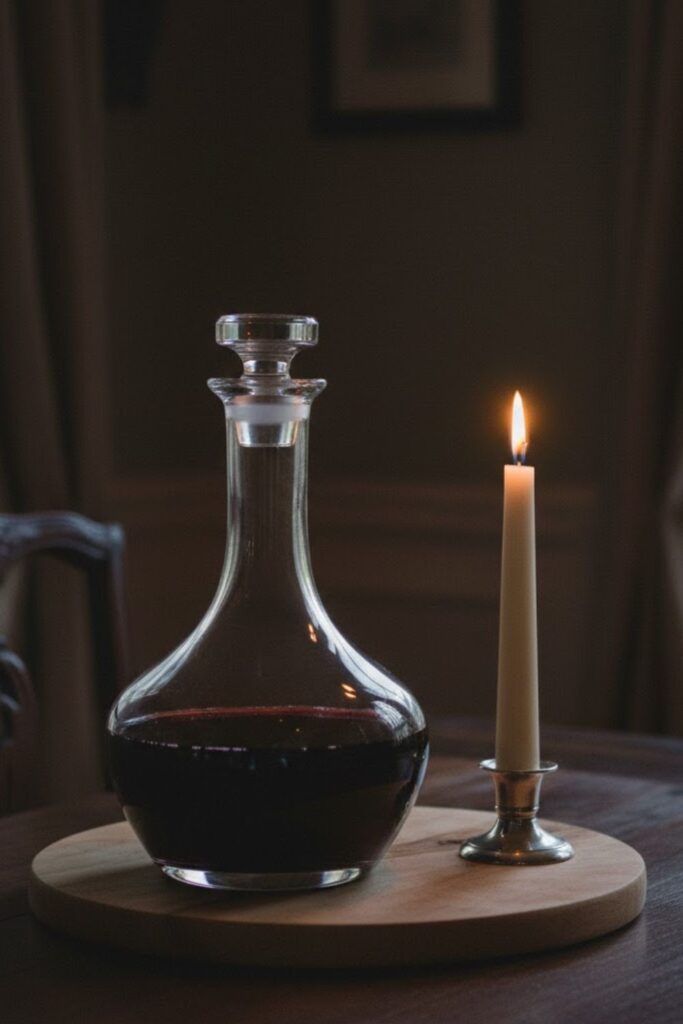
Remove wine bottles from the table to reduce visual clutter. Pouring wine into a simple glass decanter allows it to breathe and look beautiful in the candlelight.
It removes the branding and labels, keeping the focus on the experience. Even an affordable wine tastes better when served with care.
9. A Bread Board on the Table
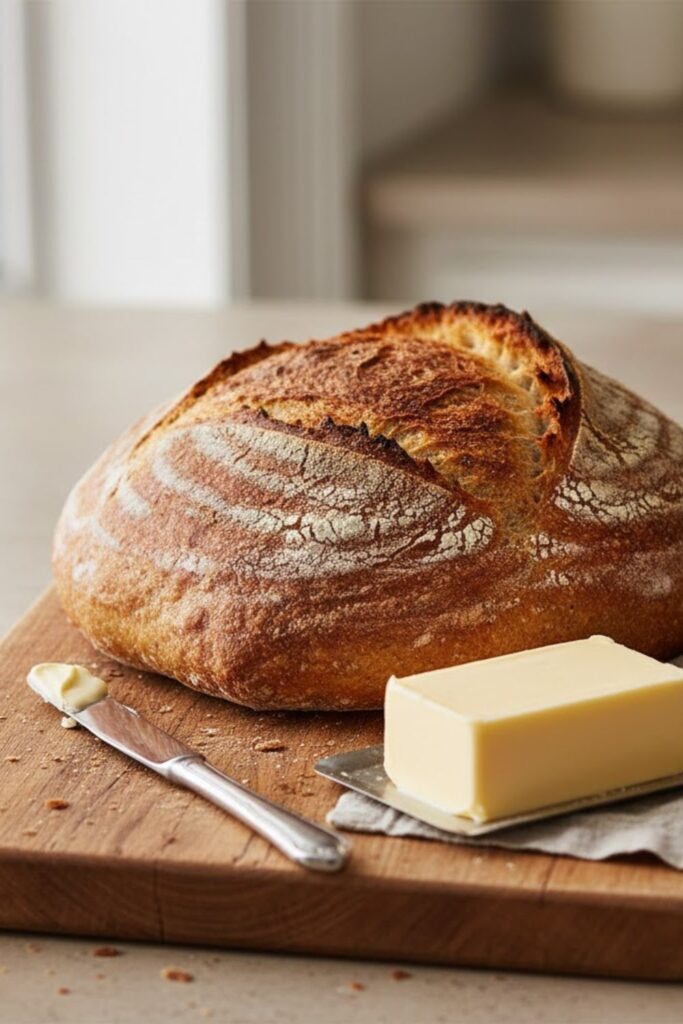
Bread should be accessible, not hidden in the kitchen. Place a wooden board with a crusty loaf and good butter right on the table.
Let guests tear pieces off themselves. It adds a rustic, tactile element to the meal that balances the elegance of the silver and crystal.
10. Crystal for Sparkle
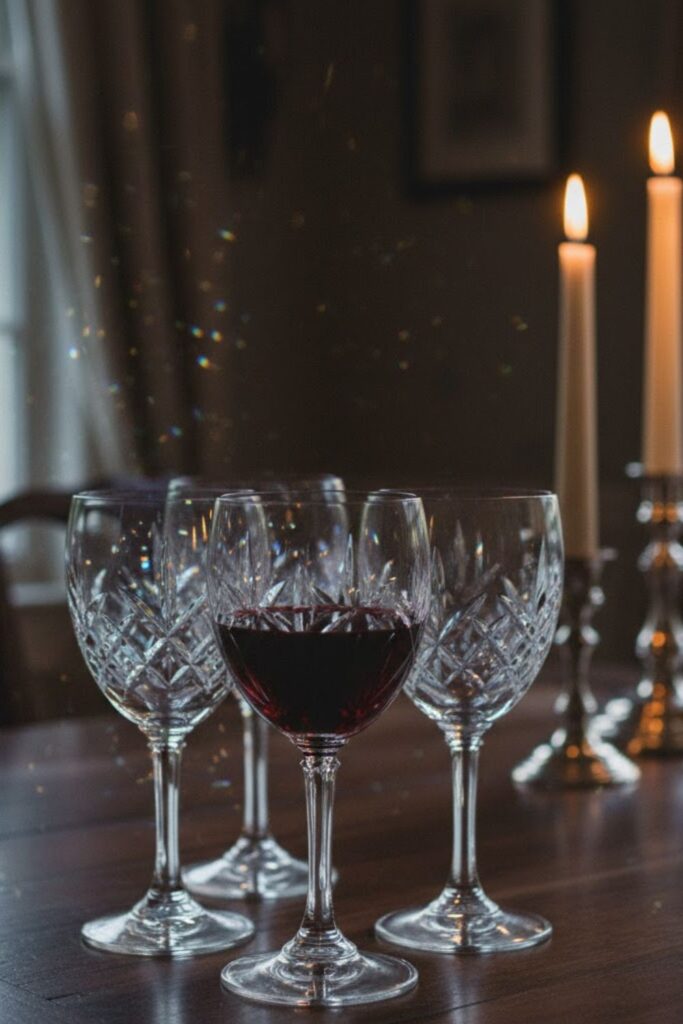
While the plates may be simple earthenware, the glasses should sparkle. Vintage cut crystal catches the light from the candles and adds a bit of magic to the evening.
You can often find these for a few dollars at thrift stores. They feel heavy in the hand and turn a simple glass of water into an occasion.
11. Coffee on a Tray
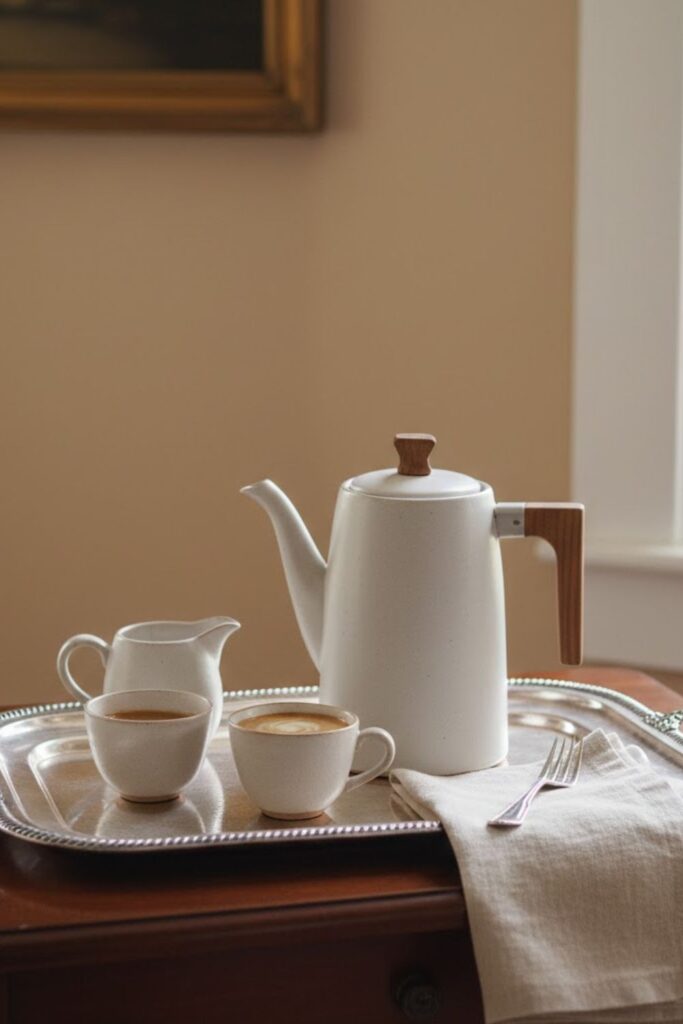
When the meal winds down, bring out coffee on a dedicated tray. Include a pot, small cups, sugar, and real cream.
This ritual signals that there is no rush to leave. It invites guests to shift into a softer, quieter mode of conversation before the night ends.
12. Seasonal Garnish
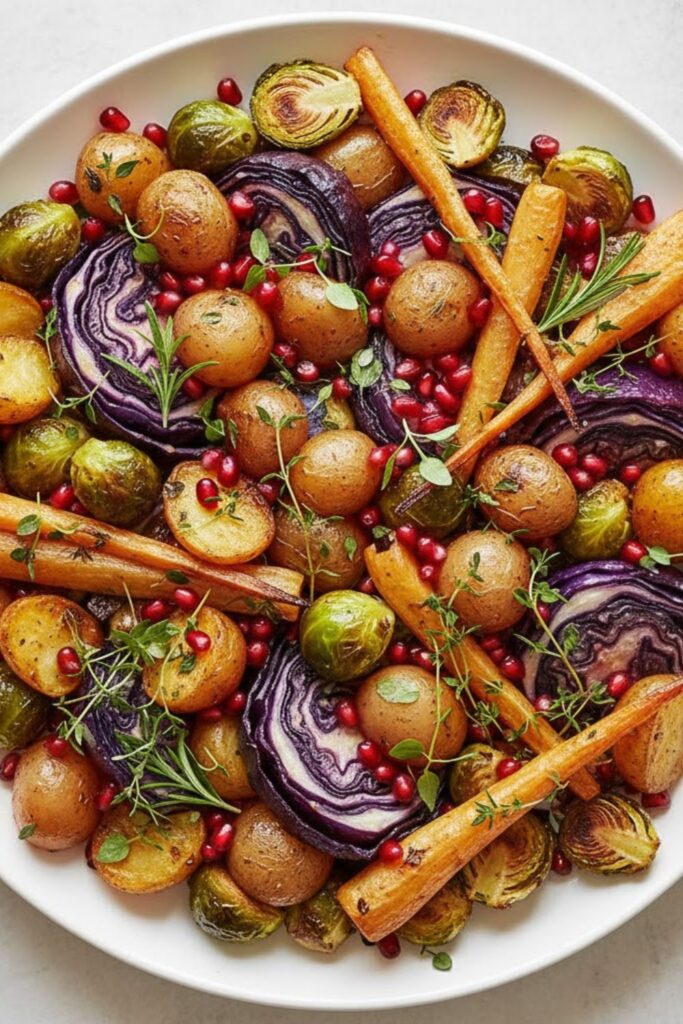
The difference between a family dinner and a dinner party is often in the finish. Garnish every platter with something fresh parsley, pomegranate seeds, or lemon zest.
It adds color and shows that the food was prepared with attention. It is the final flourish that makes the meal feel complete.
A dinner party is a gift of time and effort. It is a way of saying that you value the people at your table enough to create something beautiful for them.
Don’t worry about chipped plates or a sauce that isn’t perfect. If the lights are low, the wine is good, and the welcome is warm, no one will notice anything else.