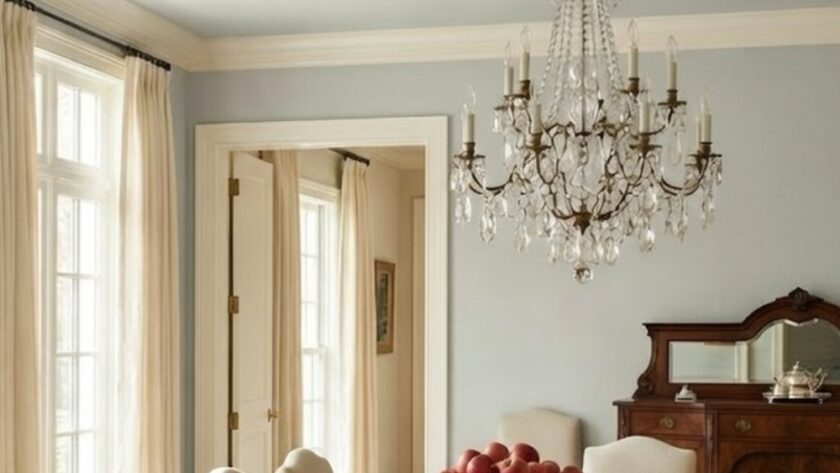
The afternoon sun hits the polished mahogany of the table, highlighting the grain of the wood and the dust motes dancing in the air. The room is silent, but the chairs are pulled out slightly, as if waiting for a conversation to begin.
The Martha Stewart dining room aesthetic is about creating a space that feels established, historical, and ready for anything. It balances the grandeur of a formal dinner with the warmth of a family breakfast.
This look relies on a disciplined palette, the weight of real wood, and the sparkle of glass against matte paint. It is a room designed not just for looking at, but for the long, lingering hours of a good meal.
Here are 15 ways to build a dining room that feels collected, timeless, and impressive.
1. The Solid Wood Table
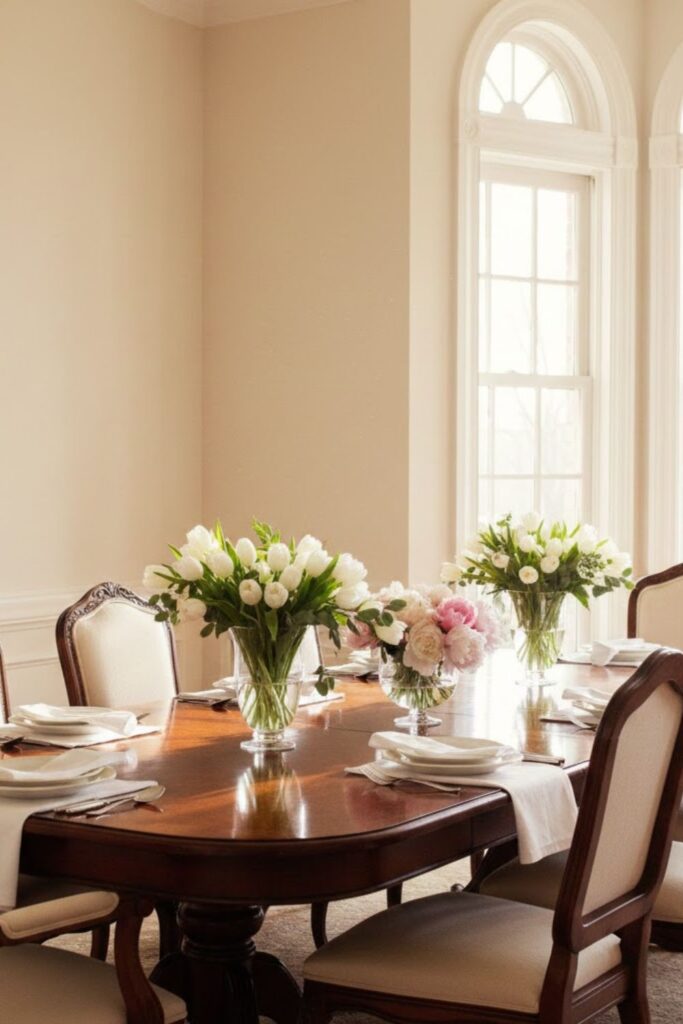
The table is the stage, and it must have presence. Look for solid wood—mahogany, walnut, or quarter-sawn oak—that has developed a deep patina over decades.
Avoid glass tops or modern veneers. A few scratches or water marks on an old table are not flaws; they are proof of past dinners and celebrated nights.
2. The Sideboard as a Stage
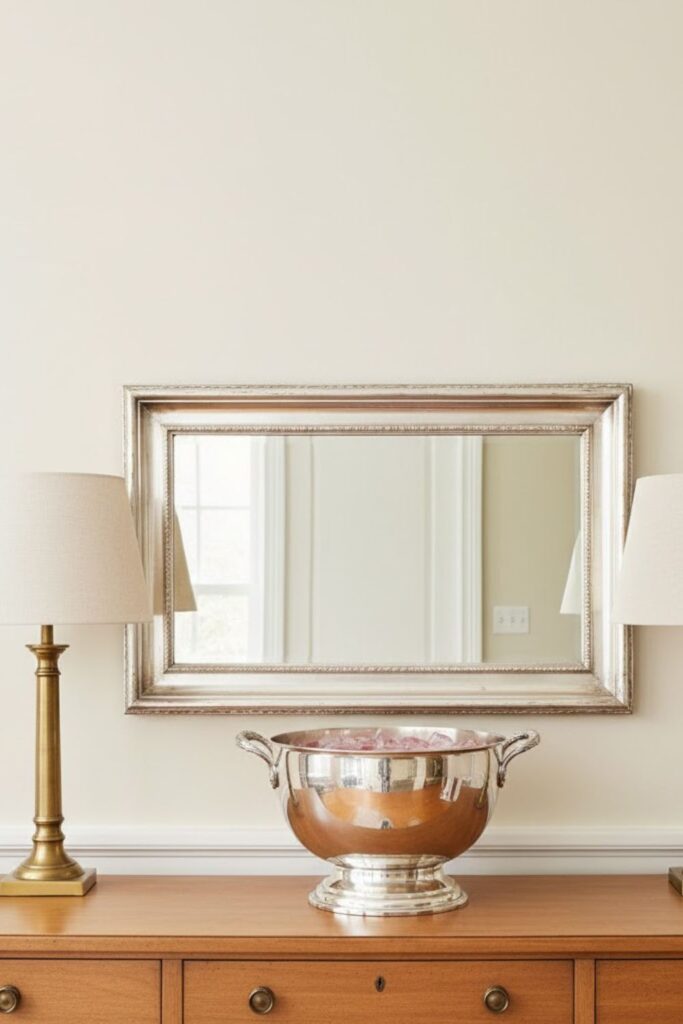
A dining room needs a workhorse. A substantial sideboard or buffet provides a surface for serving food and a place to display your most beautiful objects when the room is empty.
Style it with strict symmetry: a lamp on either end and a large, singular object in the middle, like a soup tureen or a silver punch bowl. This creates visual order that feels calm and expensive.
3. Bedford Gray Walls
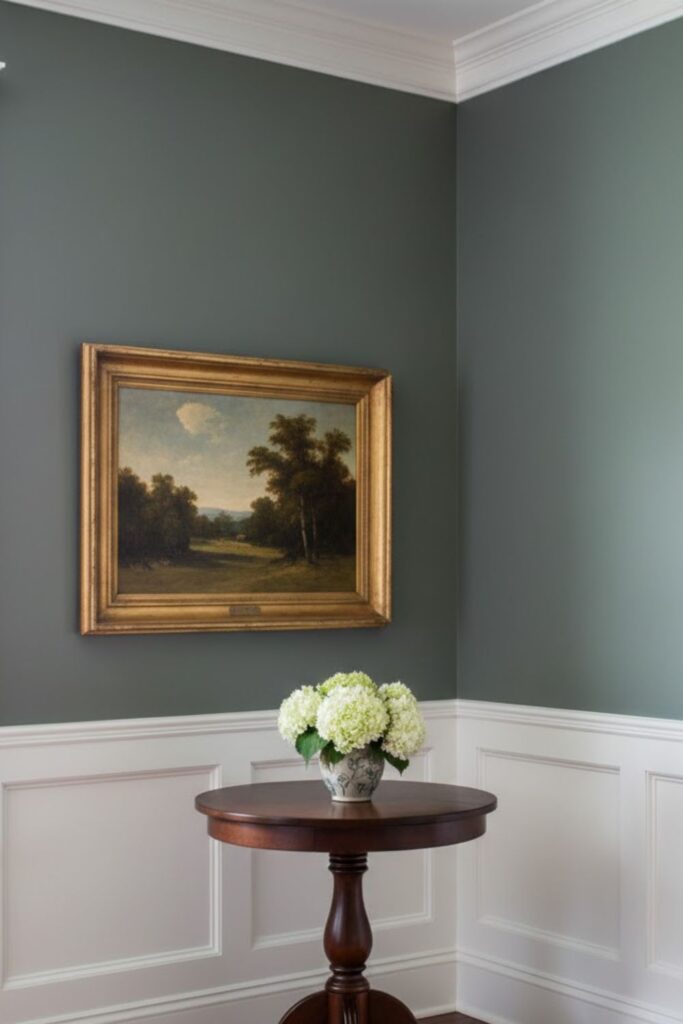
Martha’s signature color is not just gray; it is a warm, complex putty color that changes with the light. Bedford Gray allows both mahogany furniture and green plants to stand out.
It is darker than white but lighter than charcoal. This middle ground creates a cocoon-like feeling at night when the candles are lit, making the room feel intimate.
4. The Crystal Chandelier
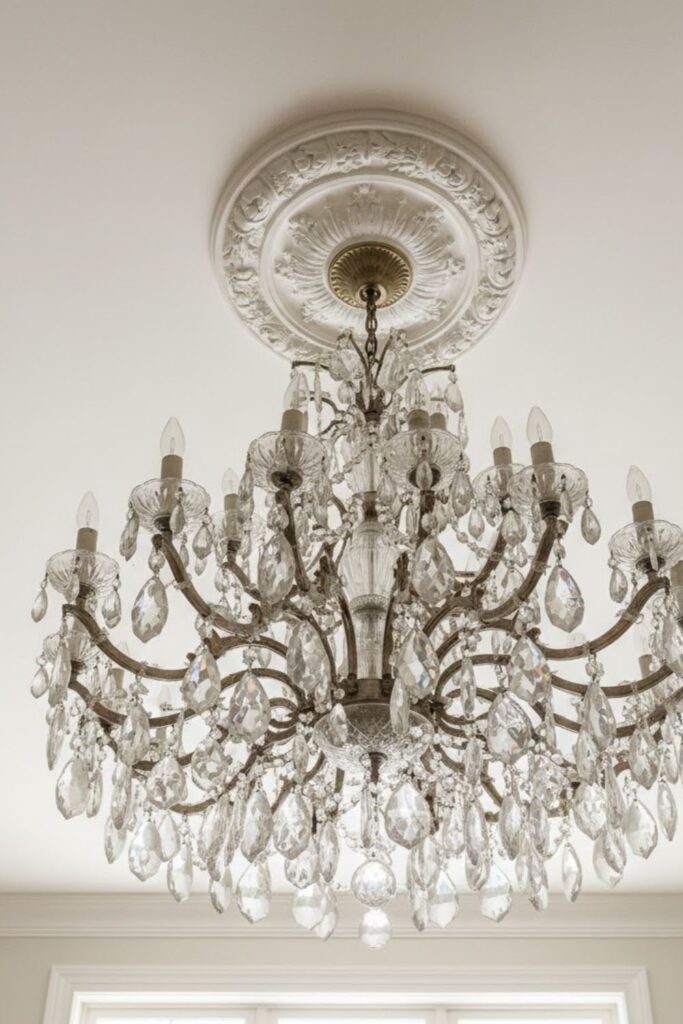
Lighting is the jewelry of the room. An antique crystal chandelier adds a touch of glamour that contrasts beautifully with rustic wood or simple linen.
Install a dimmer switch immediately. The light should be low enough to flatter faces but bright enough to see the food. Electric light should mimic the softness of candlelight.
5. Rugs That Define the Space
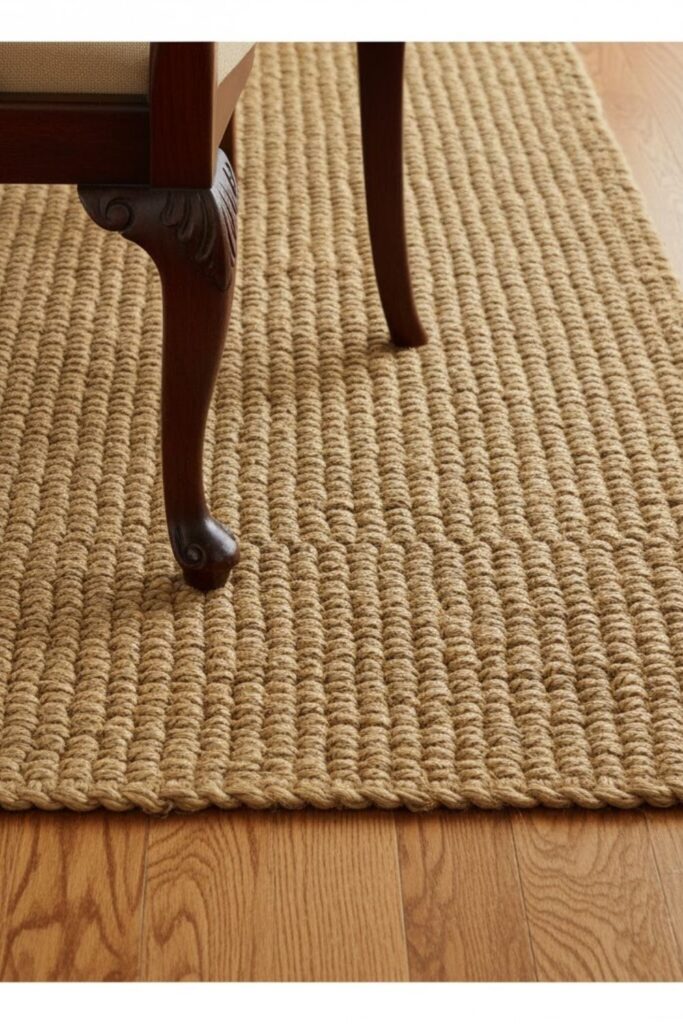
A rug dampens sound and defines the eating area. Martha often uses natural fiber rugs like sisal or seagrass to dress down formal furniture.
Make sure the rug is large enough that the chairs stay on it even when pulled out. This keeps the room feeling expansive rather than cramped.
6. Mismatched Chairs
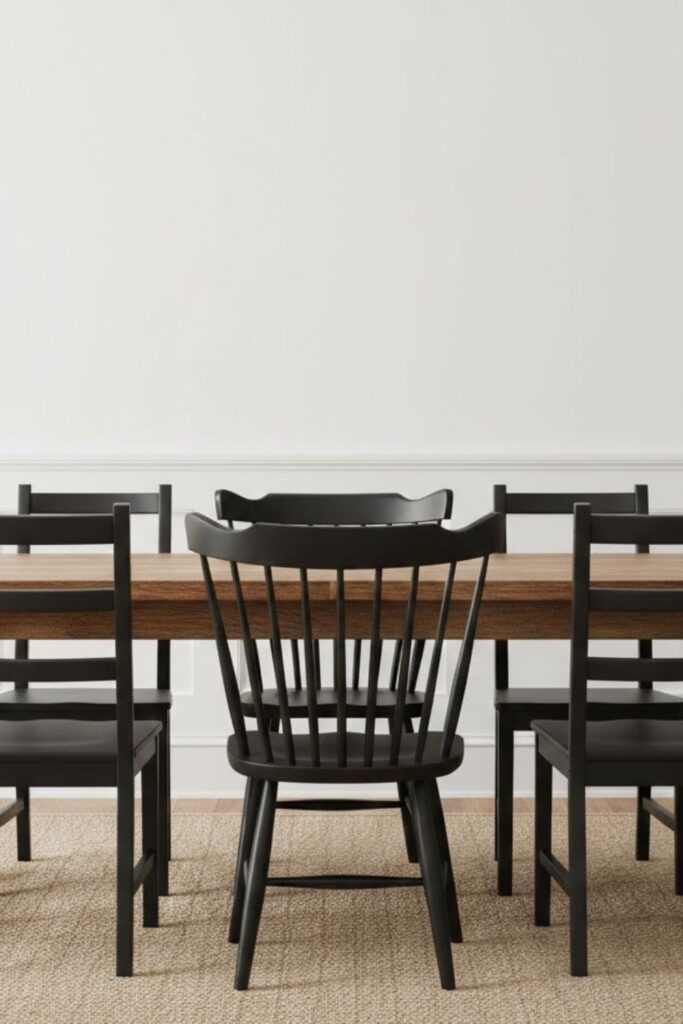
A matching set of twelve chairs can look like a furniture showroom. Mixing styles—like Windsor chairs at the head and simple farm chairs on the sides—adds character.
If the styles are very different, paint them all the same color, like a deep black or dark green. This unifies the collection while keeping the interesting shapes.
7. The Gilt Mirror
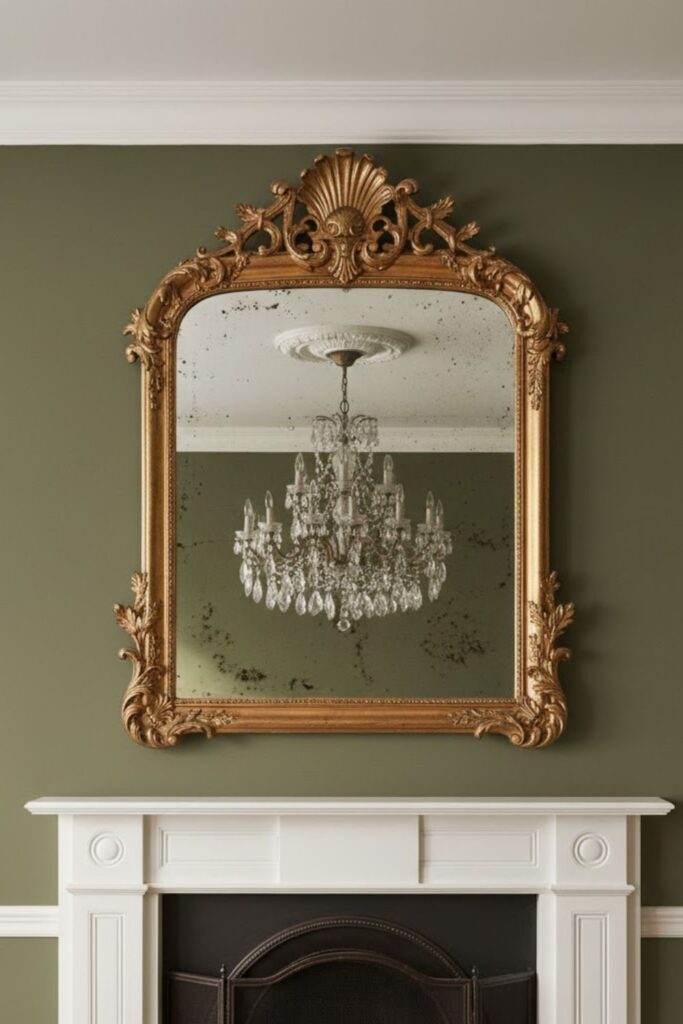
A large mirror reflects the light from the chandelier and makes the room feel twice as big. Look for a heavy gold gilt frame that feels like it came from a historic estate.
Hang it so that it reflects something beautiful, like a window or a piece of art, rather than just the ceiling. The glass should have a little age or “foxing” for character.
8. Ironstone Collections on Display
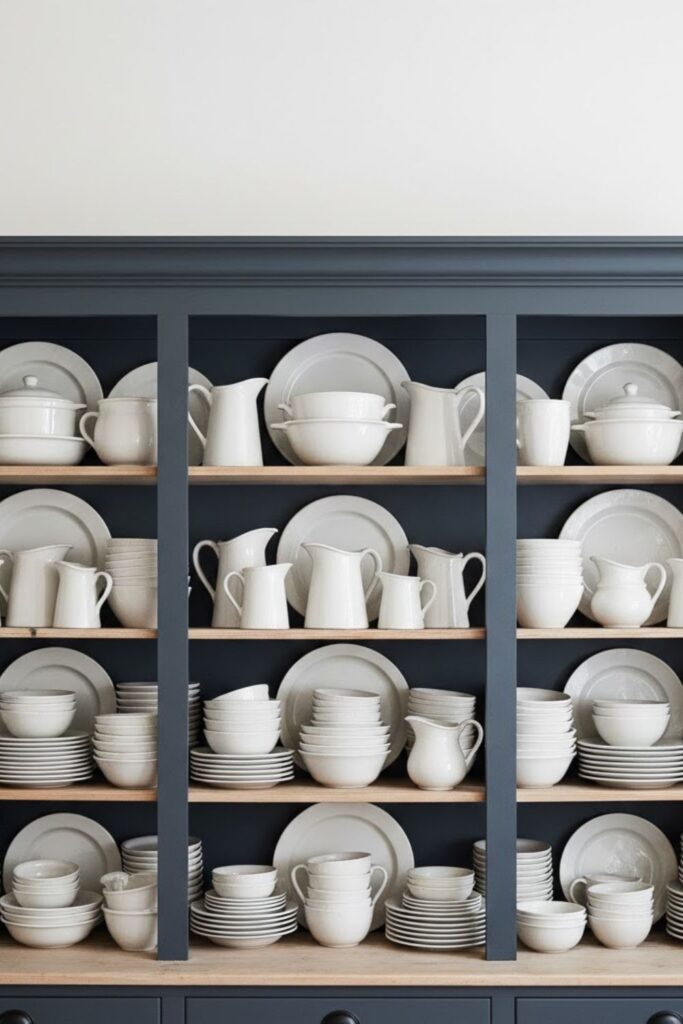
If you have a collection, show it. A china cabinet or open shelves filled with stacks of white ironstone looks graphic and impressive.
Group items by shape or size—all the pitchers on one shelf, all the platters on another. The repetition of white against a dark background is a signature Martha move.
9. Floor-to-Ceiling Curtains
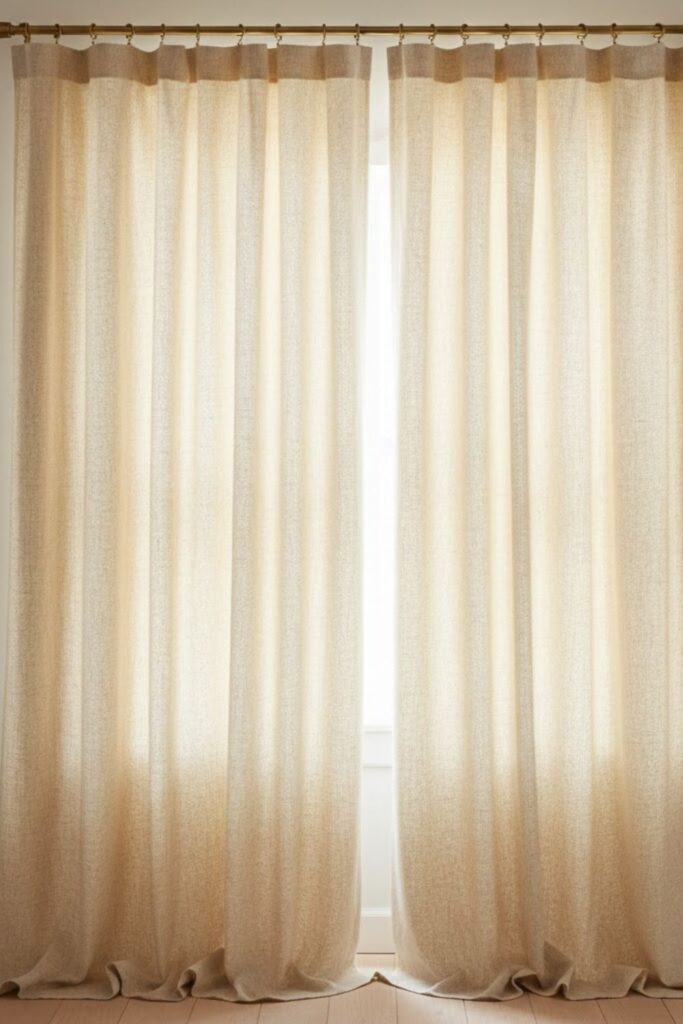
Curtains should act as architectural columns. Hang the rod as high as possible to lift the ceiling, and let the fabric kiss the floor.
Choose heavy linen in a neutral tone. The fabric absorbs sound, making the room quiet and conducive to conversation.
10. The Silver Bowl Centerpiece
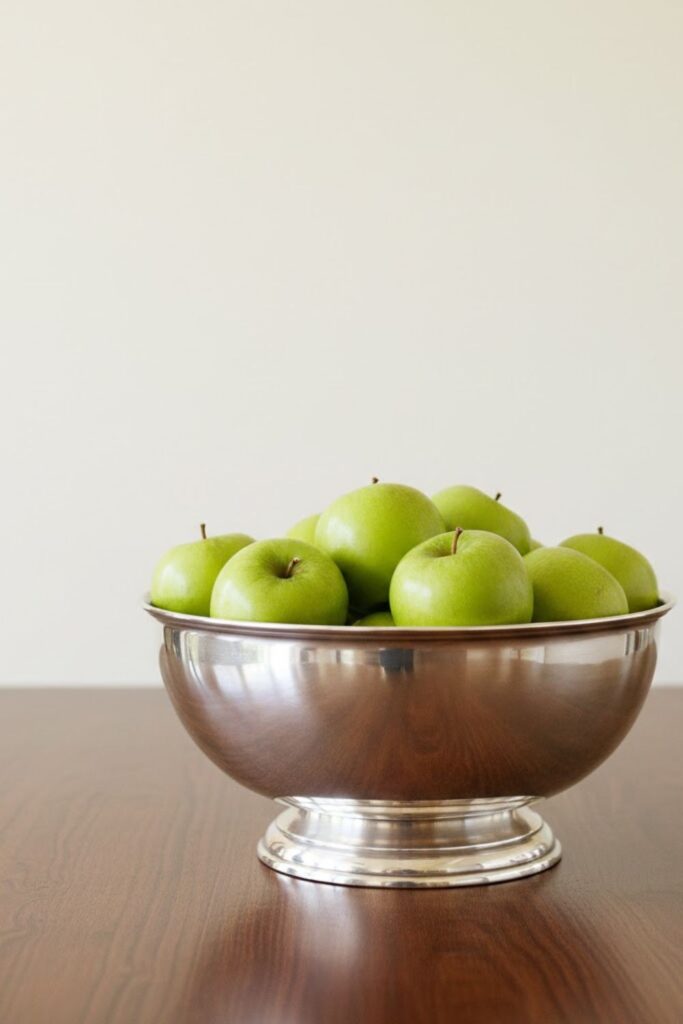
When the table is not set for dinner, it should not be empty. A large silver bowl filled with green apples, lemons, or pomegranates keeps the room feeling alive.
Using one type of fruit in abundance is more striking than a mixed fruit bowl. It is a simple, edible sculpture.
11. Sconces for Ambient Light
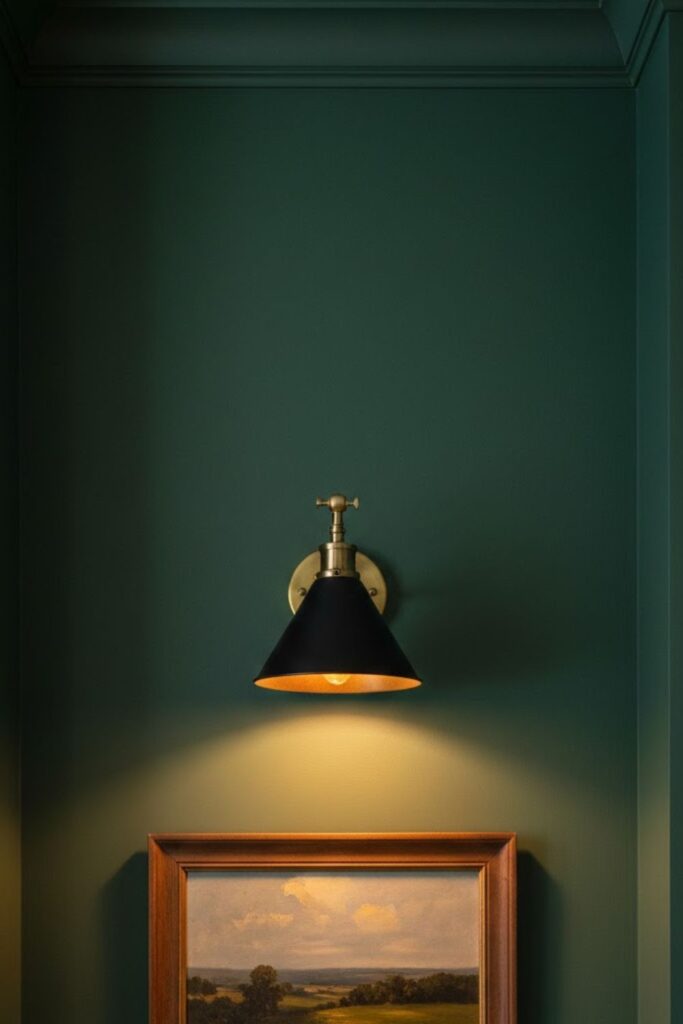
Overhead lighting can cast harsh shadows. Wall sconces add a layer of soft, perimeter light that warms up the edges of the room.
Brass or iron fixtures with simple shades feel classic. They frame the sideboard or a piece of art, drawing the eye to the walls.
12. Turkey Red Accents
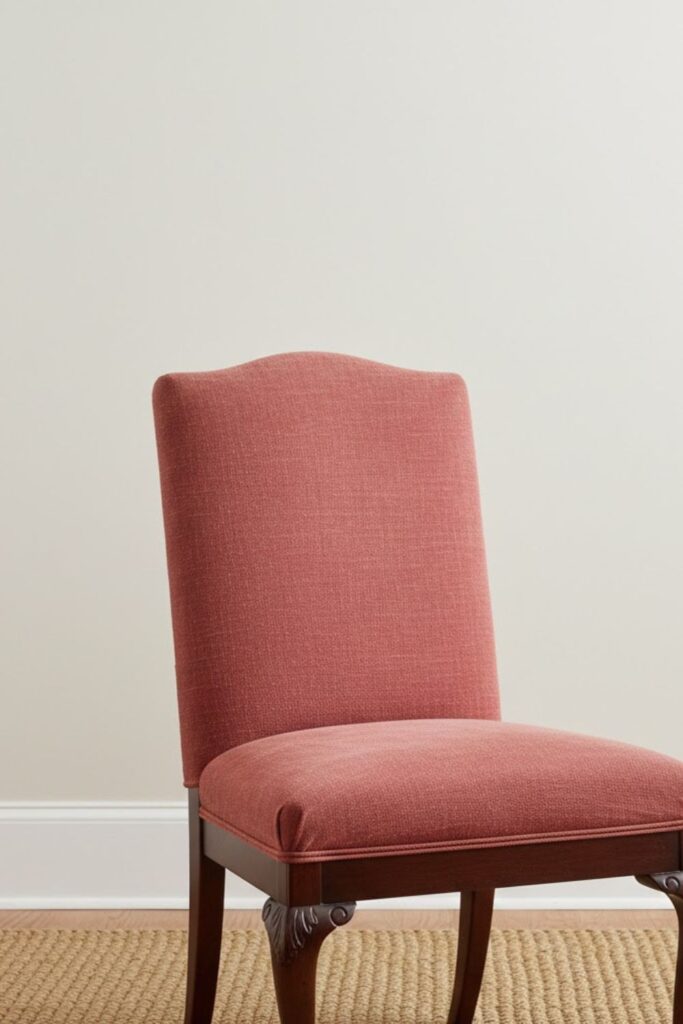
A dining room full of brown wood and gray walls needs a heartbeat. A touch of Turkey Red—a deep, muted, historical red—adds warmth.
Use it on chair cushions or in the pattern of an antique rug. It is a color that feels like it has been there for a hundred years.
13. The Bar Tray
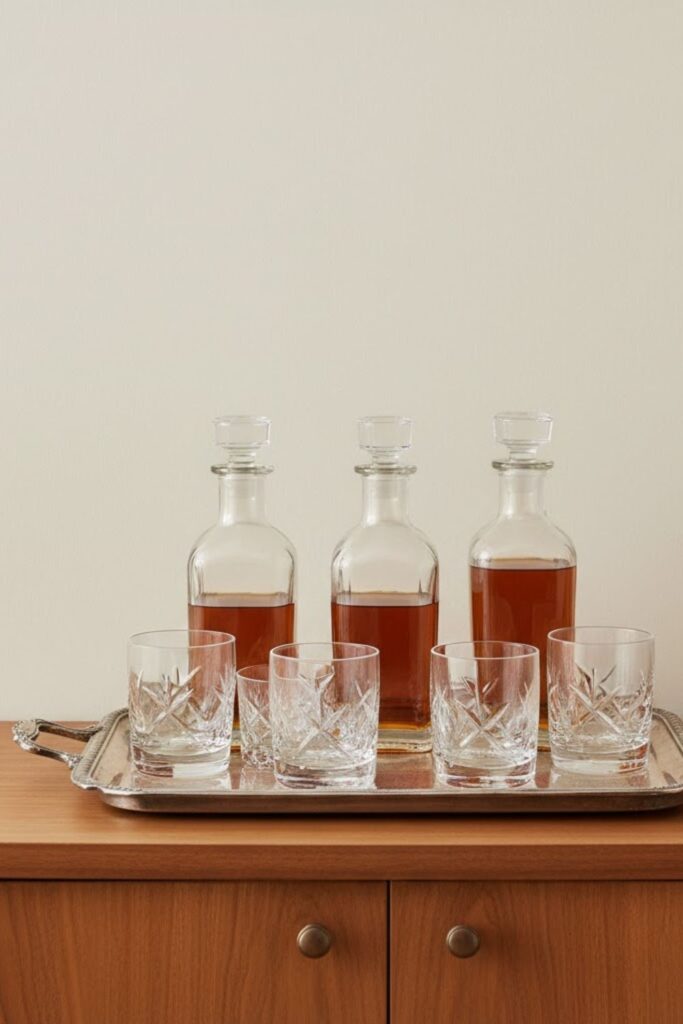
A tray set with crystal decanters and glasses signals that the room is ready for guests. It serves a function, but it is also a beautiful object.
The amber color of whiskey or brandy in a cut glass decanter is part of the room’s color palette. It adds sparkle and warmth.
14. Plants in Corners
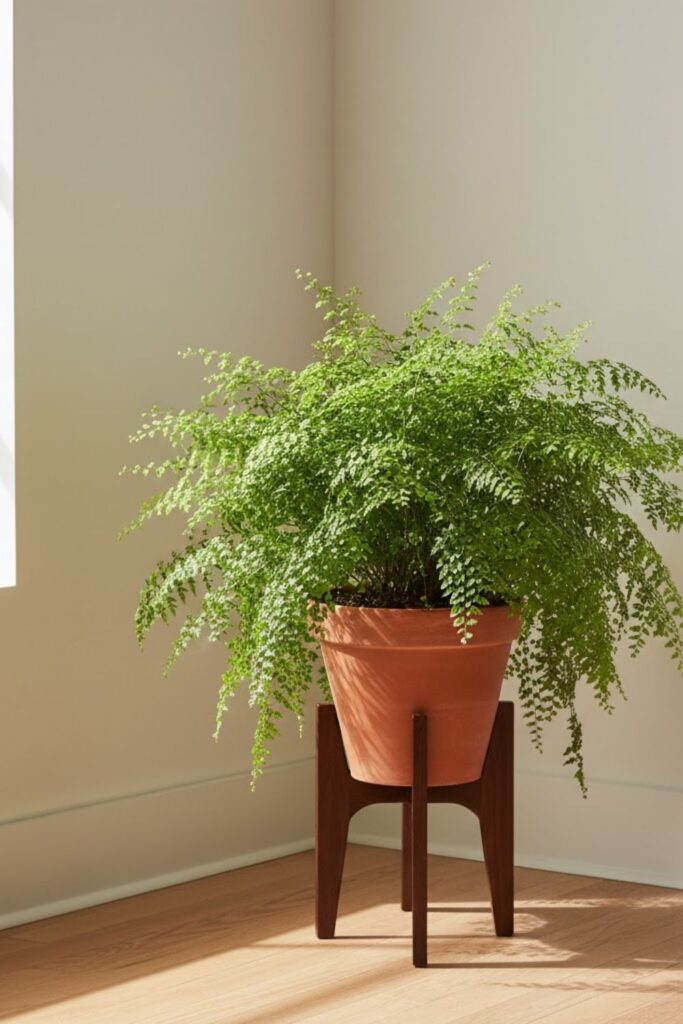
Furniture is hard and angular. Plants add necessary softness and life. A large fern on a pedestal or a citrus tree in a pot fills an empty corner beautifully.
The organic shape of the leaves breaks up the straight lines of the table and walls. It makes the room breathe.
15. The “Ready” State
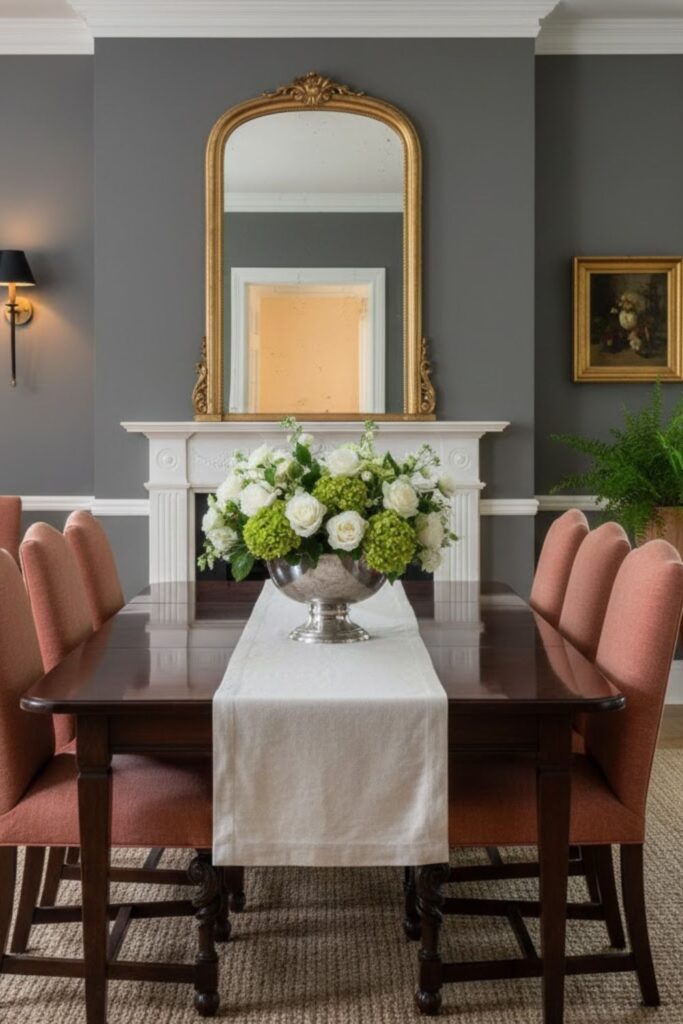
The most impressive dining room is one that looks beautiful even when it is not being used. Do not let it become a dumping ground for mail or laundry.
Keep a runner on the table and the chairs pushed in. This “ready state” makes the room a peaceful visual anchor in your home, waiting for the next gathering.
Creating a dining room with this aesthetic is about respecting the purpose of the space. It is a room dedicated to connection and sustenance.
When you fill it with honest materials, good light, and pieces that have history, you build a backdrop for memories. It becomes the room where people want to stay long after the coffee is finished.