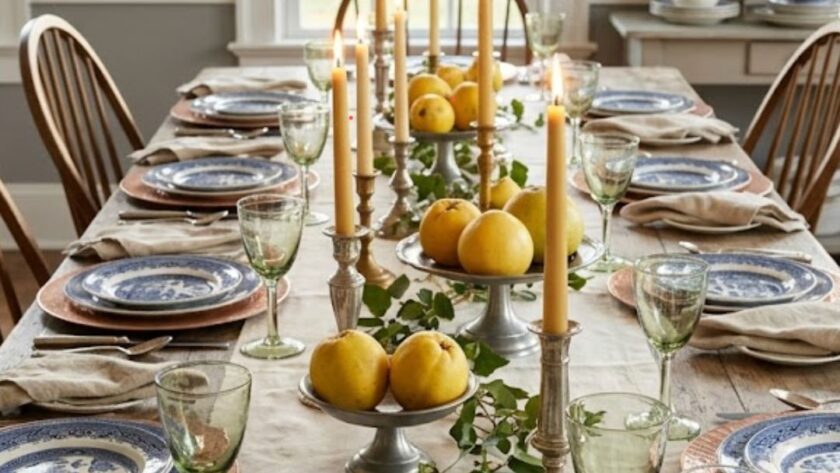
A pressed linen runner catches late afternoon light across a long wooden table. Somewhere nearby, beeswax tapers are already lit, their honey glow warming a row of mismatched silver candlesticks.
This is the Martha Stewart aesthetic table. Not coordinated, not purchased in one shopping trip, but assembled over years of flea markets, inheritance, and quiet intention.
The difference between her table and a catalog version is simple. Her settings look like someone has lived with these pieces, loved them, and chosen each one for a reason.
Here are 15 ways to set a table that carries that same collected warmth. Each one builds on the last, from anchor pieces to small touches guests remember.
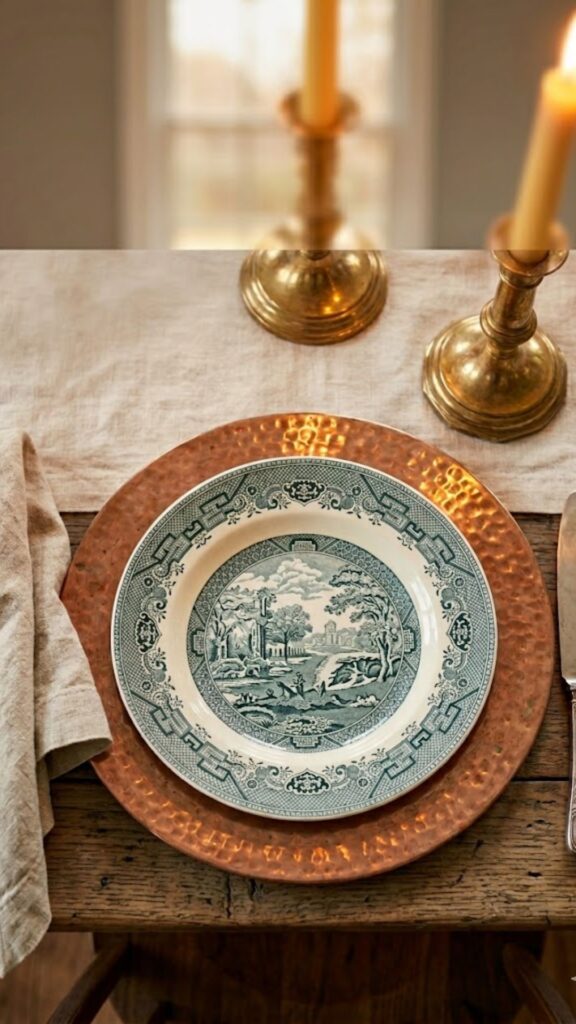
1. Antique Transferware Layered with Copper Chargers
Martha layers plates the way a painter layers color. Her winter tablescapes feature nineteenth-century transferware stacked over copper chargers. The depth from mixing eras and finishes is something no single dish achieves alone.
A cream transferware plate with a countryside scene, set on burnished copper, looks both old and alive. Hunt for transferware at estate sales where full sets are rarely needed. Let the pieces accumulate over seasons, not in one shopping trip.
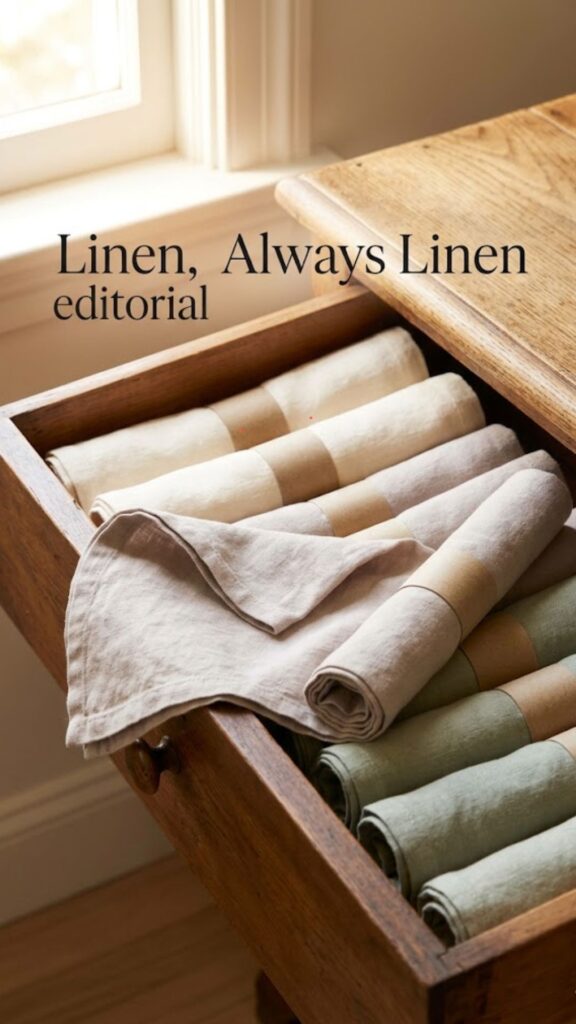
2. Linen, Always Linen
There is no place for paper on a table set this way. Martha keeps her linen napkins rolled around cardboard tubes in labeled drawers, pressed and ready at all times. She has said she loves having freshly ironed napkins ready at a moment’s notice.
Linen softens with every wash and carries a texture cotton cannot replicate. Choose cream, putty, or soft sage and let them wrinkle slightly at the table. That relaxed fold under a soup bowl is more inviting than any stiff origami shape.
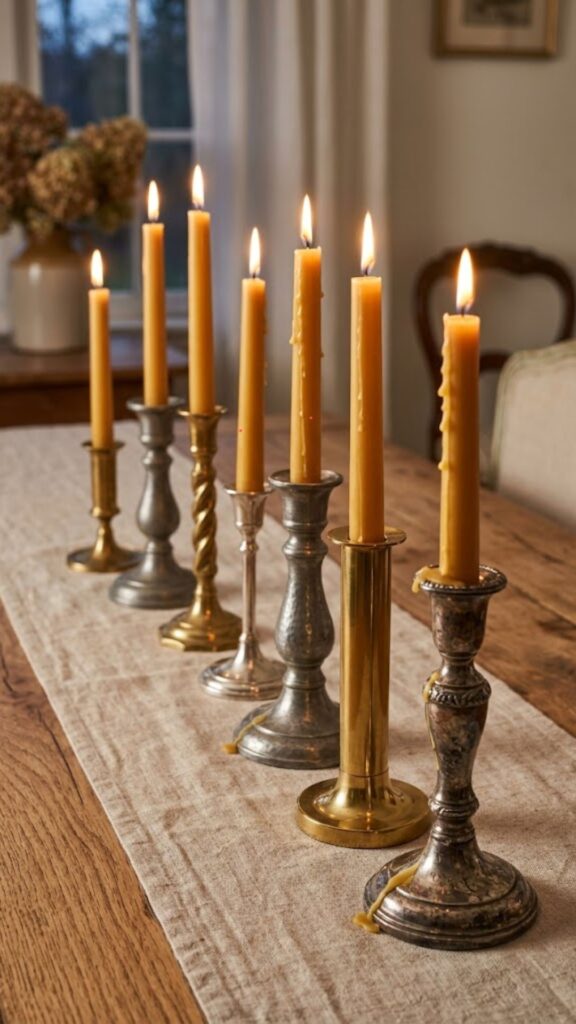
3. Beeswax Tapers in Collected Candlesticks
Every candlestick on a Martha table has arrived from a different decade. Some are tarnished silver from an auction. Others are simple brass found in a New England shop, and none of them match.
Beeswax tapers burn with a warm honey tone and a faint, clean scent. Their slow, even flame is part of the atmosphere. Line five or seven down the center of a long table and let the wax drip freely.
4. The Pewter Pedestal Centerpiece
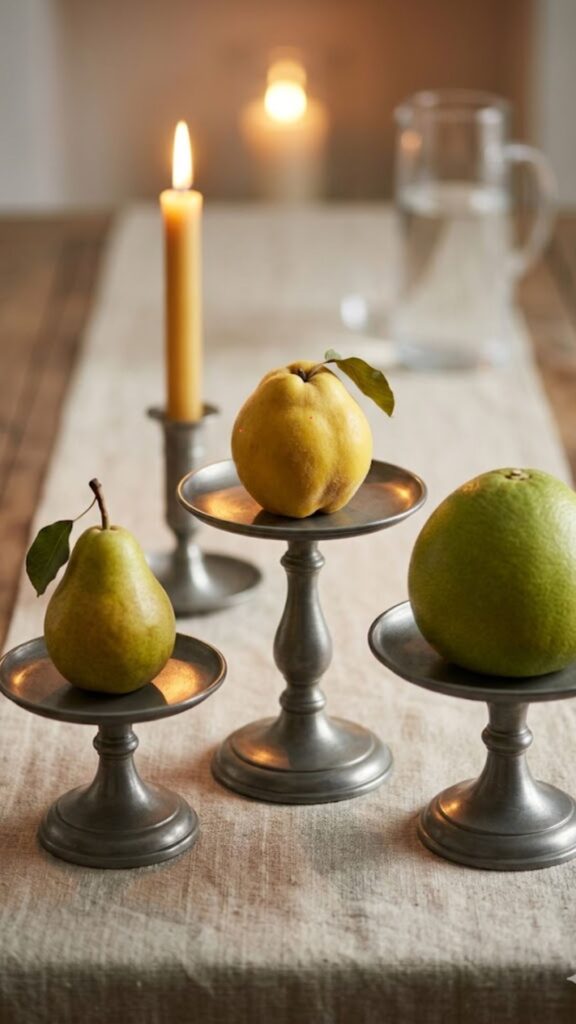
Martha places a single piece of fruit on a pewter pedestal and calls it a centerpiece. A greenish-yellow pomelo, a quince, a ripe pear. The restraint is what makes it striking.
A pedestal adds height without blocking conversation. Pewter absorbs candlelight rather than reflecting it, creating a soft glow instead of a glare. Three pedestals of varying heights down the center replace the need for any flower arrangement.
Once the anchor pieces are set, the table needs texture and material to build its character.
5. Green-Tinted Glassware
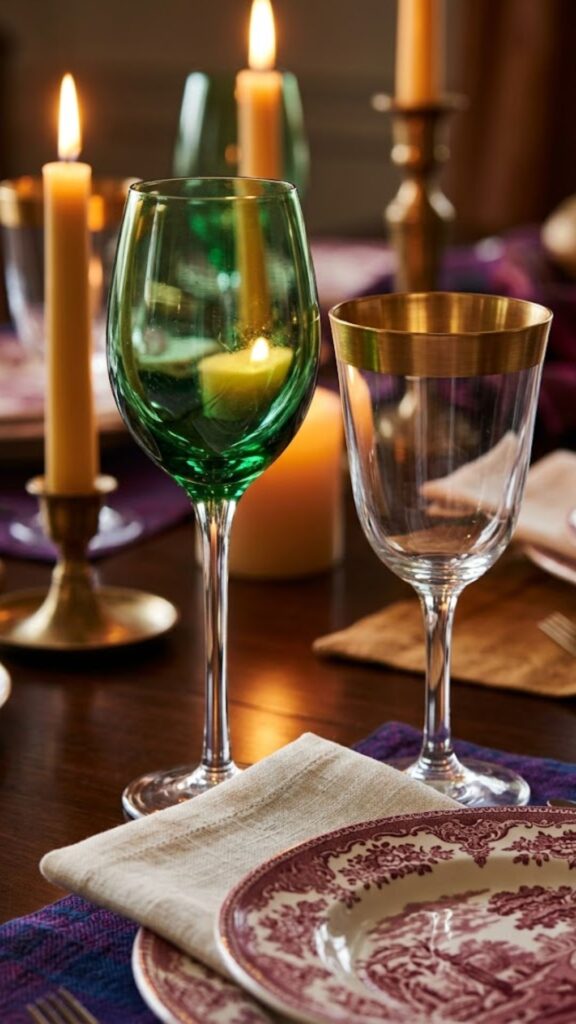
Martha’s tables often feature green Venetian-style glasses with elongated stems. She mixes them with gold-banded water glasses at the same setting. The green catches candlelight and gives seasonal warmth without favoring any single holiday.
Collect green glassware gradually over time. A pair from one trip, a single goblet from another. The slight variation in shade between pieces only adds to the collected feeling. Araucana blue glasses work equally well for a cooler palette.
6. Mixed Silverware Patterns
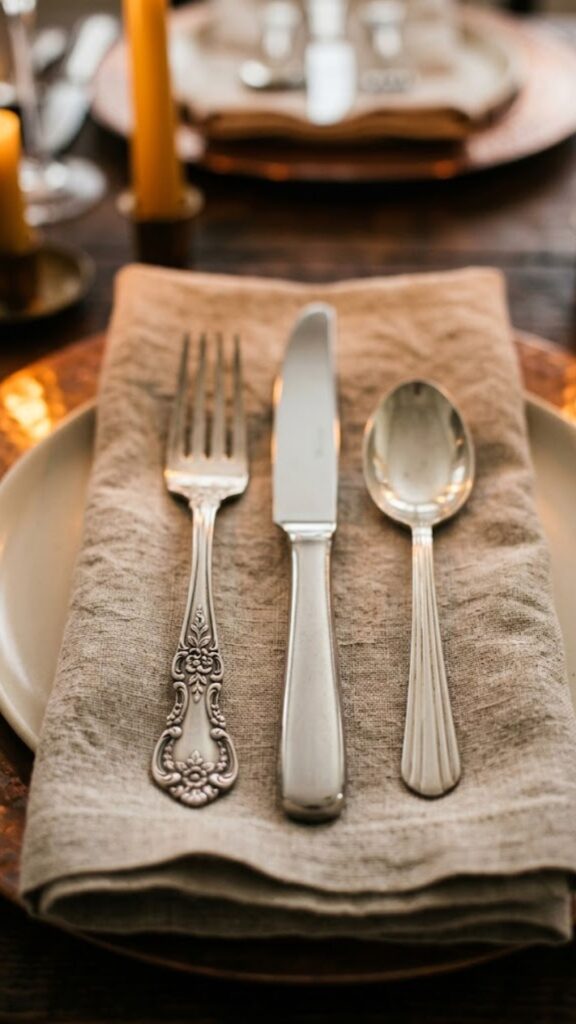
A table set with one matching pattern of flatware looks like a hotel dining room. Martha varies her silverware intentionally. An ornate fork beside a simpler knife, a fluted spoon next to a smooth one.
This approach feels personal and inherited, not purchased. Each place setting becomes slightly unique, as if assembled from a grandmother’s drawer over generations. Start with one inherited set and add single pieces from antique shops whenever they catch your eye.
7. Ironstone Serving Platters
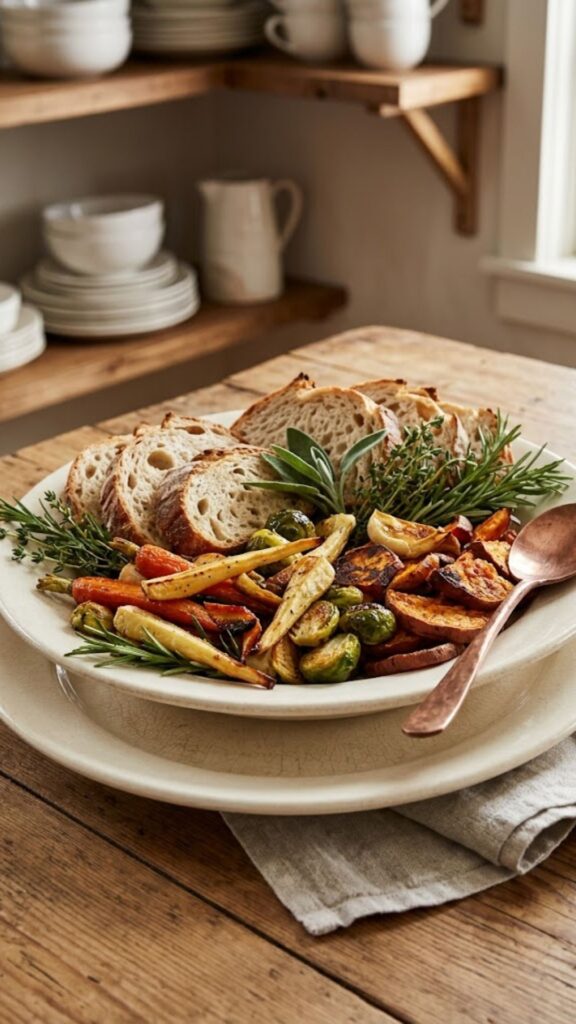
Heavy, cream-colored ironstone is the workhorse of Martha’s table. These platters hold roasted vegetables, sliced bread, and fruit with a weight and presence that thin ceramics lack.
Ironstone develops a fine network of crazing over the years. That web of tiny lines only deepens its beauty and proves it has been used well. Stack two platters of different sizes to create tiers, and let food spill slightly over the rim.
8. Copper Vessels That Do Double Duty
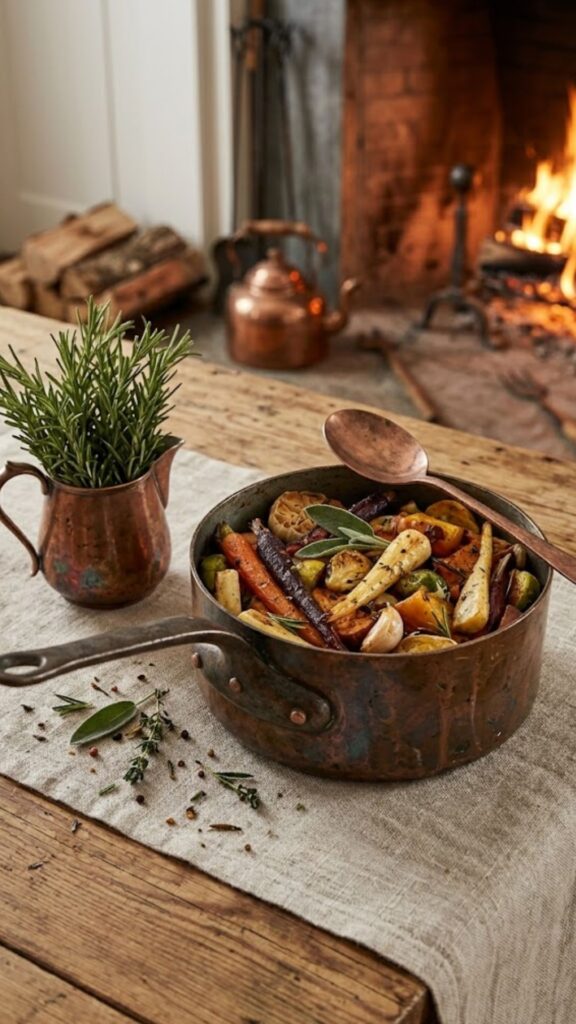
A copper pot that cooked the meal and then travels straight to the table is pure Martha. Copper catches firelight and warms everything around it with a rosy glow that no other metal offers.
A small copper pitcher holding herbs. A handled copper pan full of roasted root vegetables. A copper bowl brimming with pears. These pieces work because they are functional first. The patina that develops over months of use is a feature, not a flaw.
9. A Linen Runner Instead of a Full Cloth
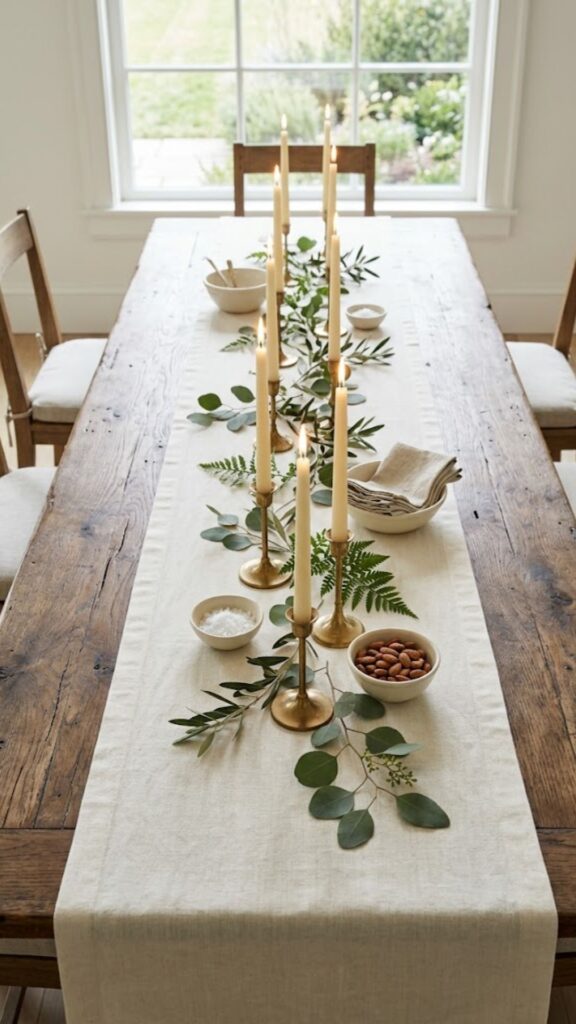
Martha often chooses a washed linen runner down the center rather than covering the whole table. The bare wood on either side shows the table’s grain, its age, its earned surface.
A runner defines the centerline where candles, platters, and greenery live. It also leaves room for each guest’s place setting to breathe against the wood. Choose a runner in cream or oatmeal and let it hang generously over each end of the table.
With the layers in place, the smaller details start to tell the real story of who set this table.
10. Fresh Herbs as Place Markers
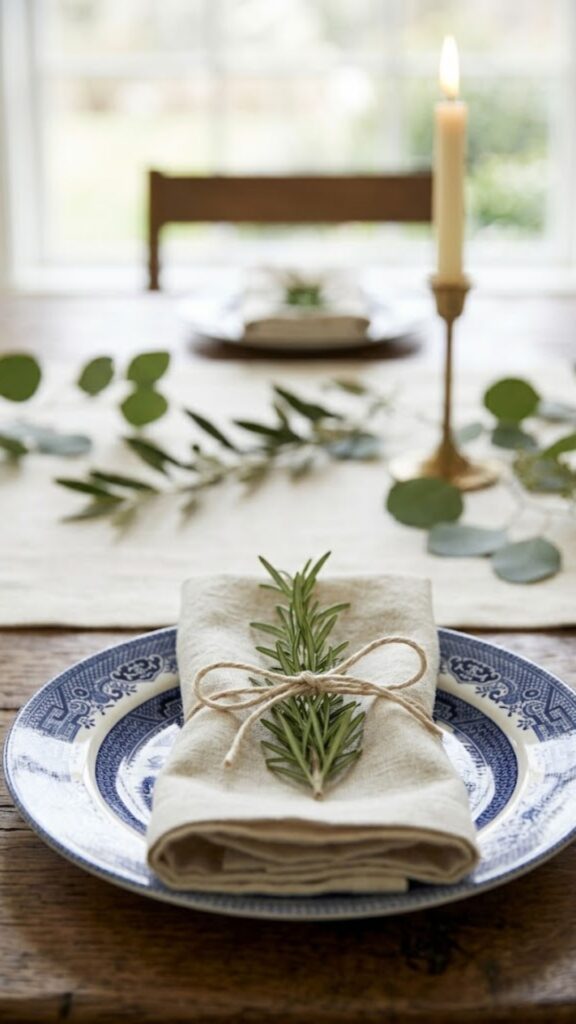
A sprig of rosemary tucked into each napkin fold does the work of a printed place card. It smells clean and green the moment a guest unfolds the linen across their lap.
Martha ties herbs to napkins with a simple loop of twine. Sometimes she tucks a small stem of thyme beneath a bread plate instead. The herbs come straight from the garden an hour before guests arrive, and this tiny gesture signals care without saying a word.
11. Seasonal Fruit Down the Center
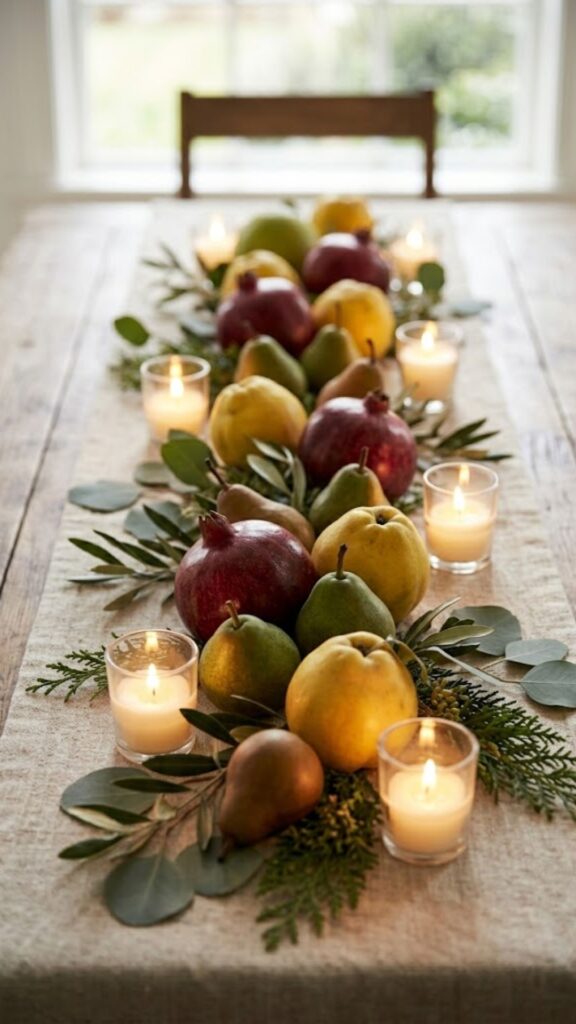
Forget tall floral arrangements that block your view of the person across from you. Martha lines the runner with seasonal fruit instead. Quinces and pomegranates in autumn, lemons and kumquats in spring, figs and plums in summer.
The fruit is decorative and edible, which fits her rule that everything on the table should serve a purpose. By the end of the evening, guests are peeling clementines and slicing pears with cheese. The centerpiece quietly disappears into the meal itself.
12. Monogrammed China for the Everyday
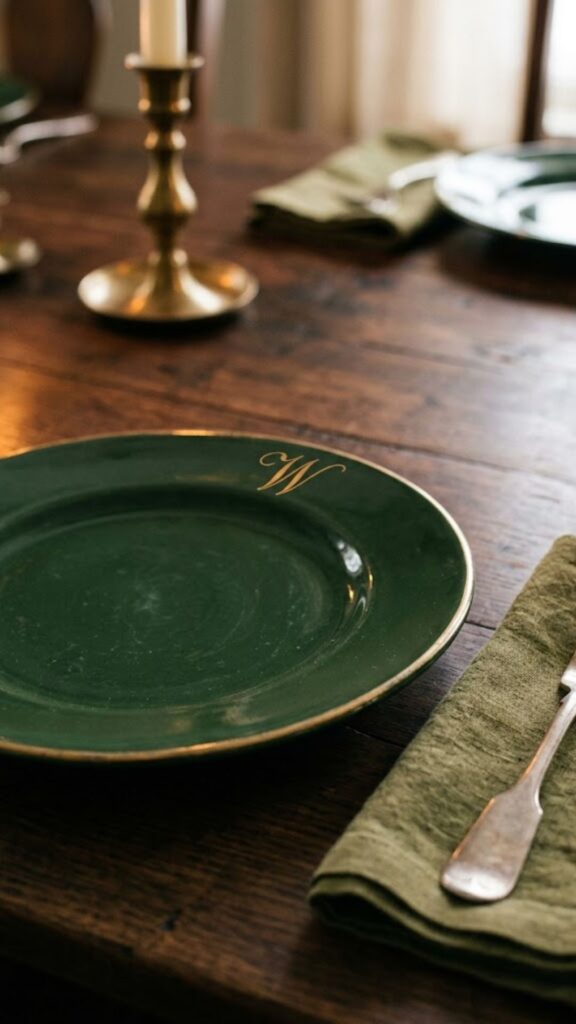
For her St. Patrick’s Day dinner this year, Martha set her Brown Room table for fourteen. She used Paris porcelain plates monogrammed with a delicate “S” and lined the center with potted shamrock plants.
Using personalized or monogrammed pieces daily is one of her firmest beliefs. The good china belongs on a Tuesday, not locked in a cabinet for Thanksgiving. Each use adds to its story, and a small chip only proves the plate has been part of real life.
13. Pressed Glass for Water and Wine
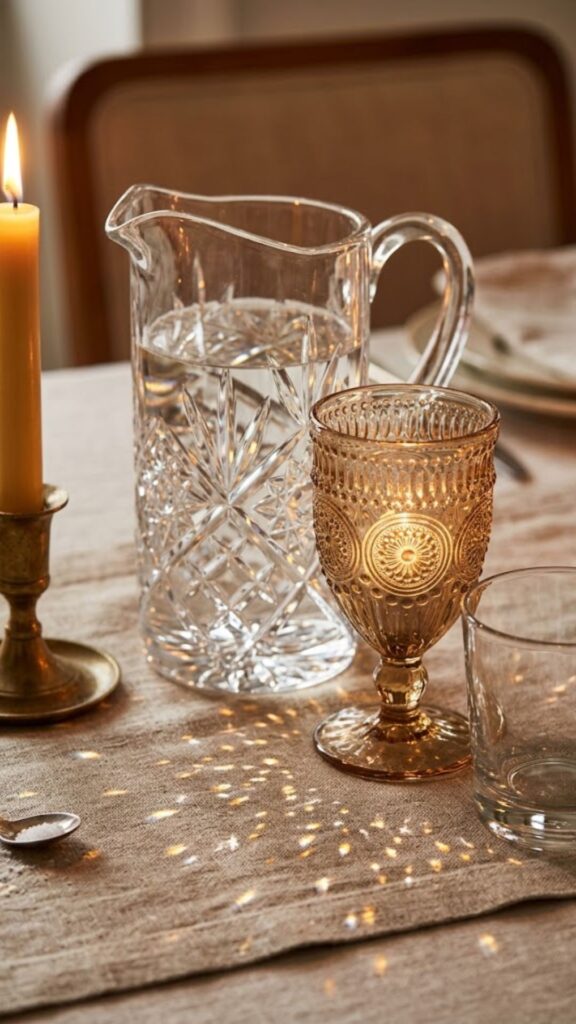
Vintage pressed glass pitchers and goblets refract candlelight in ways smooth modern glass cannot. Each tiny cut in the surface sends light scattering across the table in small, shifting patterns that move when someone reaches for the water.
Collect pressed glass at thrift stores where it remains affordable and abundant. Mix patterns freely and without worry. A cut glass water pitcher beside a pressed glass goblet beside a simple tumbler creates the layered, inherited feel Martha returns to again and again.
14. The “Lapkin” for Casual Gatherings
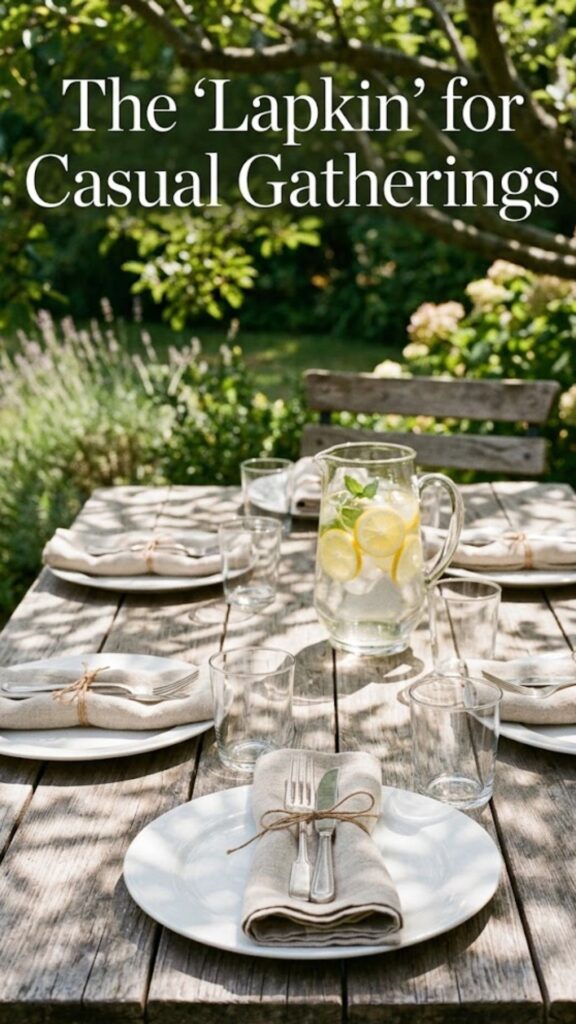
Martha coined the term “lapkin” for oversized tea towels used as lap napkins. They are larger than standard napkins, softer, and far more practical for barbecues, lobster nights, or corn on the cob.
Wrap silverware inside a rolled lapkin and tie it with kitchen twine for a relaxed place setting. The generosity of the fabric makes each seat feel considered, even outdoors. Keep a stack of linen tea towels in rotation all season and reach for them before you reach for paper.
These final touches are the ones guests remember long after the plates are cleared and the candles have burned down.
15. Living Centerpieces You Can Replant
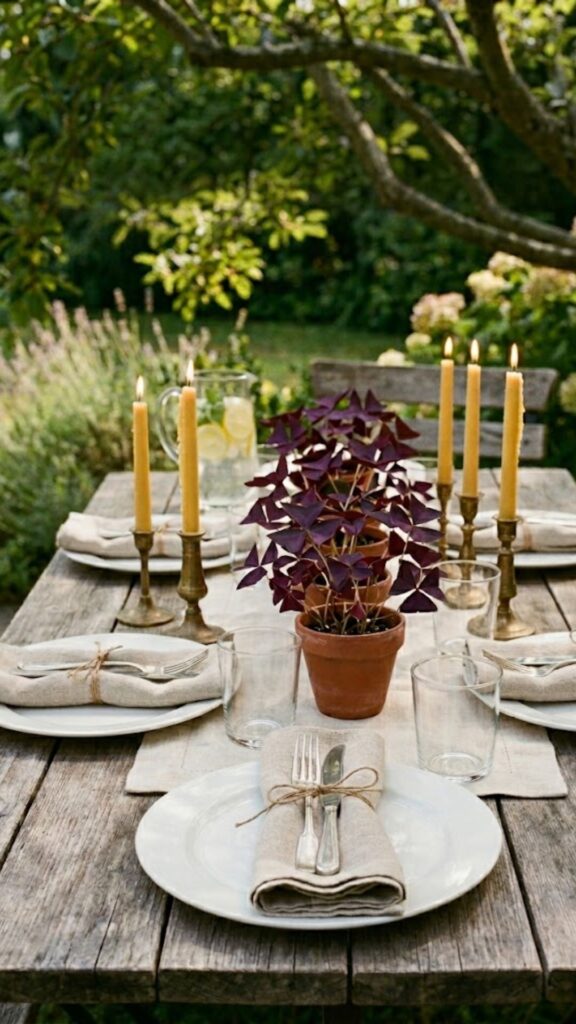
Martha lined her table this spring with potted Oxalis triangularis, the delicate false shamrock plant, as living centerpieces. After the dinner, every guest took a pot home as a reminder of the evening.
Forced paperwhite bulbs in low ceramic dishes work the same way in winter. Potted herbs in spring. Small succulents in summer. A centerpiece that continues to grow after the party ends carries more meaning than cut flowers that wilt by morning. It turns one dinner into a memory that sits on the guest’s windowsill for months.
The Martha Stewart aesthetic table is not about the money spent or the perfection achieved. It is about the feeling of sitting down to a place set with thought. The linen that has been washed a hundred times. The candlestick that once belonged to someone else.
Start with one piece you love: a single ironstone platter, a pair of beeswax tapers, a linen runner you found on a weekend trip. Build from there, one dinner at a time.
A table that looks collected over years was, in fact, collected over years. There is no shortcut, and that is what makes it worth sitting down to.
You might also like: