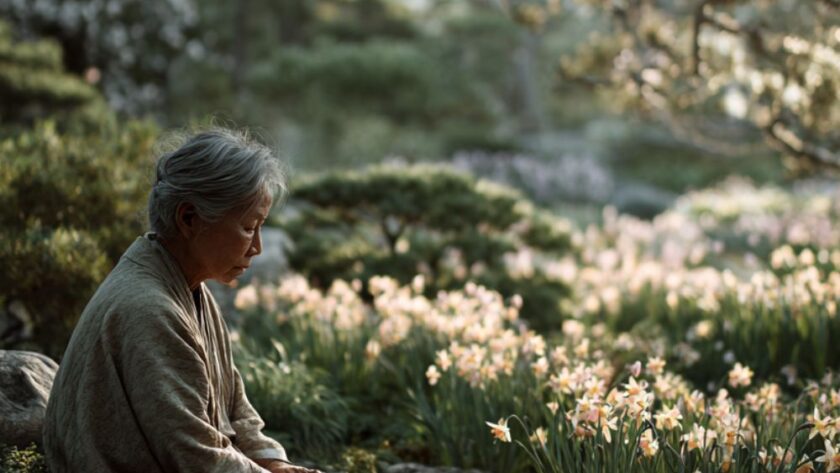
Martha’s father taught her to grow from seed, from cuttings, from saplings. She started at age three. Eighty years later, her Bedford property holds 300 Japanese maples, 200 fruit trees, 200 peony varieties, and a daffodil border that takes your breath away every April. The garden is not a hobby. It is the main event.
1. Start Everything from Seed
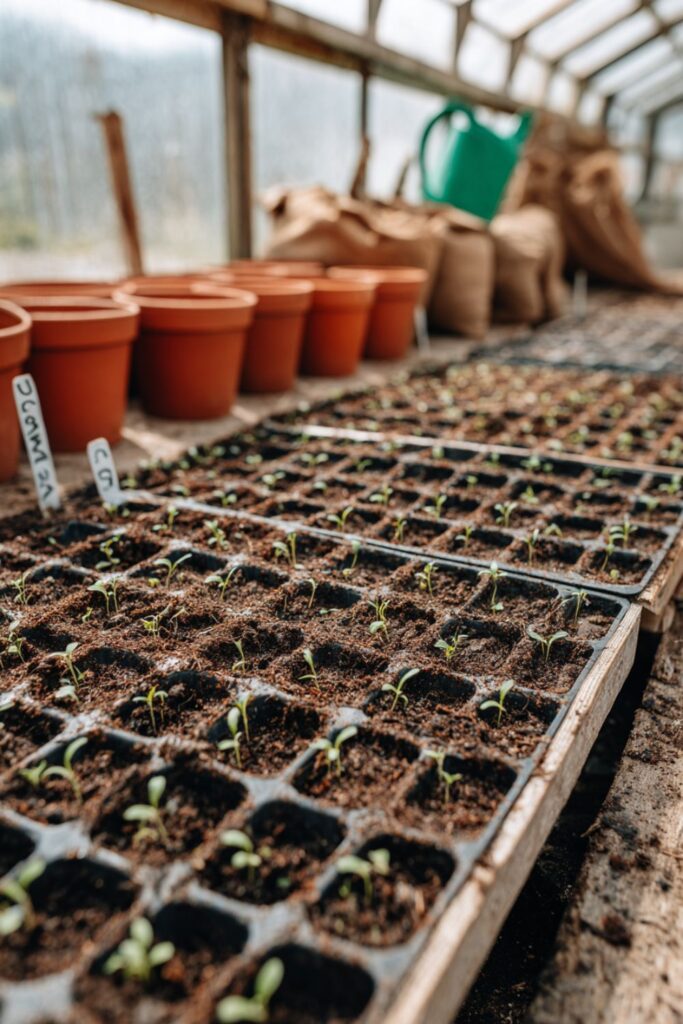
Martha grows almost all her flowers from seeds sown in the greenhouse. “I grow trees from saplings and boxwood from rooted cuttings, and pretty much all my flowers are from seeds,” she writes. Starting from seed costs less, teaches more, and connects you to every plant from its first day.
2. One Variety Planted in Masses
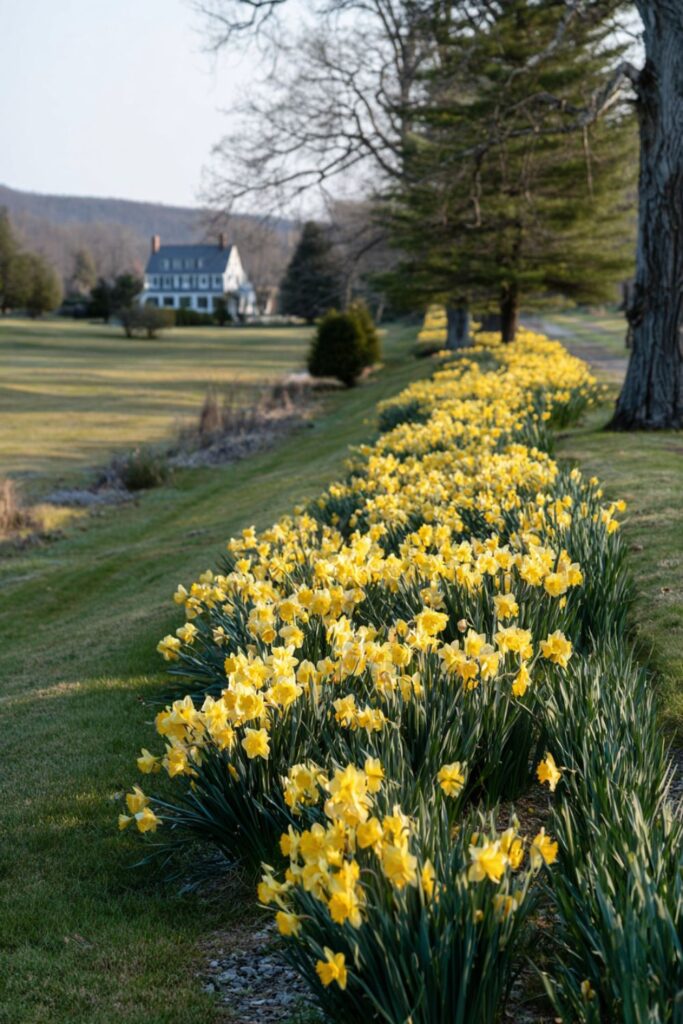
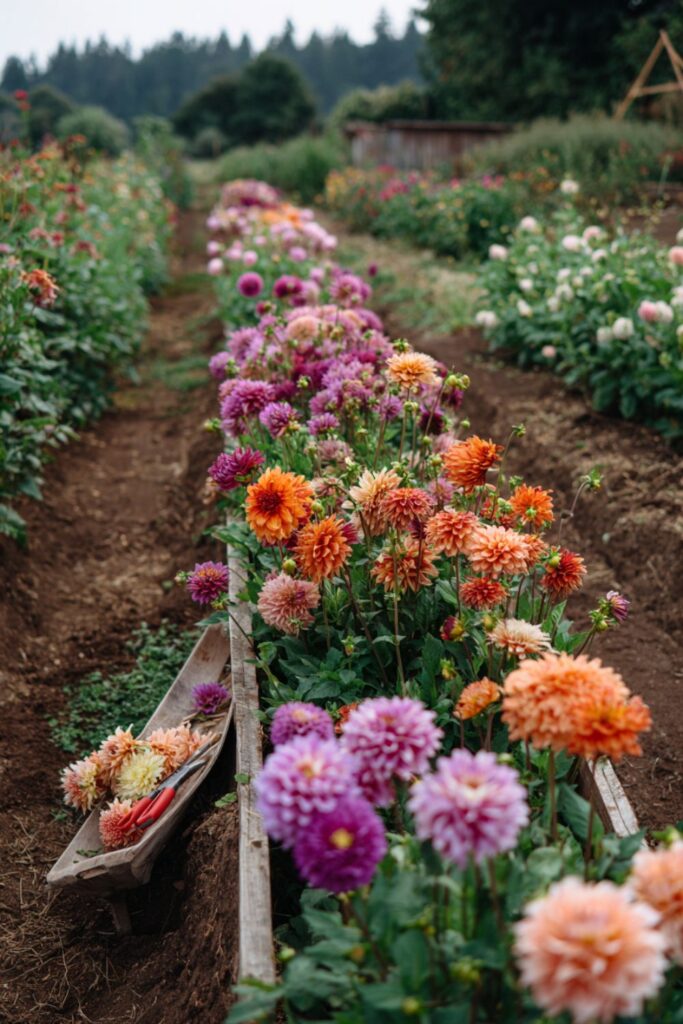
Martha plants one variety in enormous quantity rather than mixing dozens of types. An entire acre of peonies. Rows and rows of dahlias. A daffodil border of 45,000 bulbs stretching the length of the property. Mass planting creates impact that scattered planting never achieves.
3. Boxwood as the Bones of Every Garden
Martha uses boxwood hedging to define garden rooms, frame flower beds, and line pathways. The boxwood at Bedford is trimmed twice a year by hand with Okatsune shears. Boxwood gives a garden structure in winter when everything else is dormant.
4. The Cutting Garden Feeds the House
Martha’s cutting garden at Bedford is planted in rows specifically for harvesting: dahlias, zinnias, tulips, iris, and roses. The flowers are cut in early morning, brought to the servery on sheet pans, trimmed, and arranged in vases throughout every room.
5. 200 Peony Varieties in One Garden
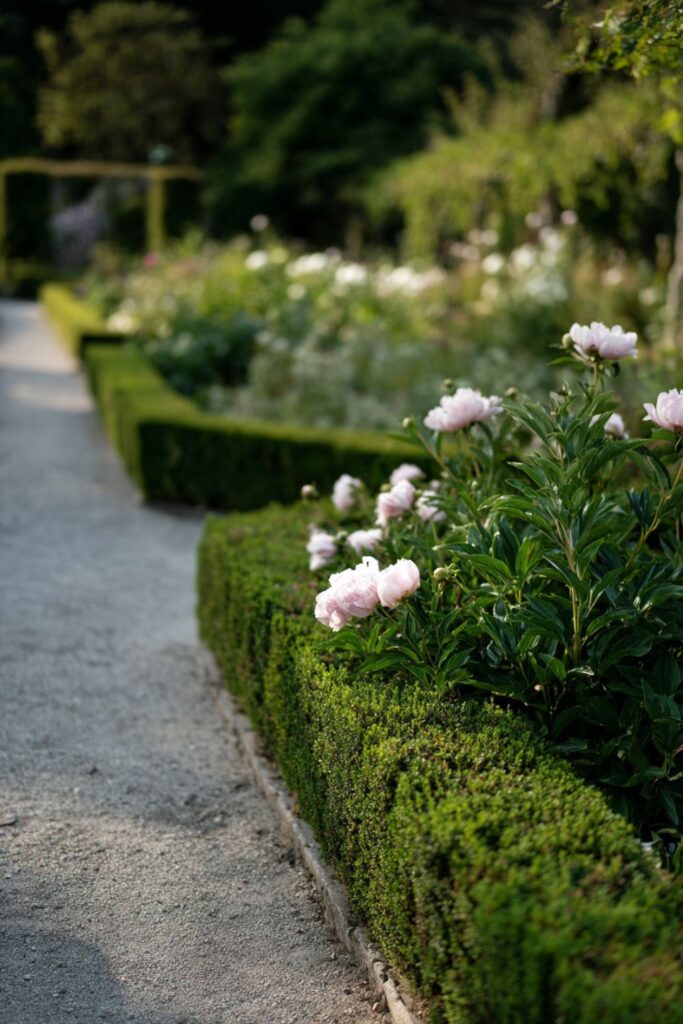
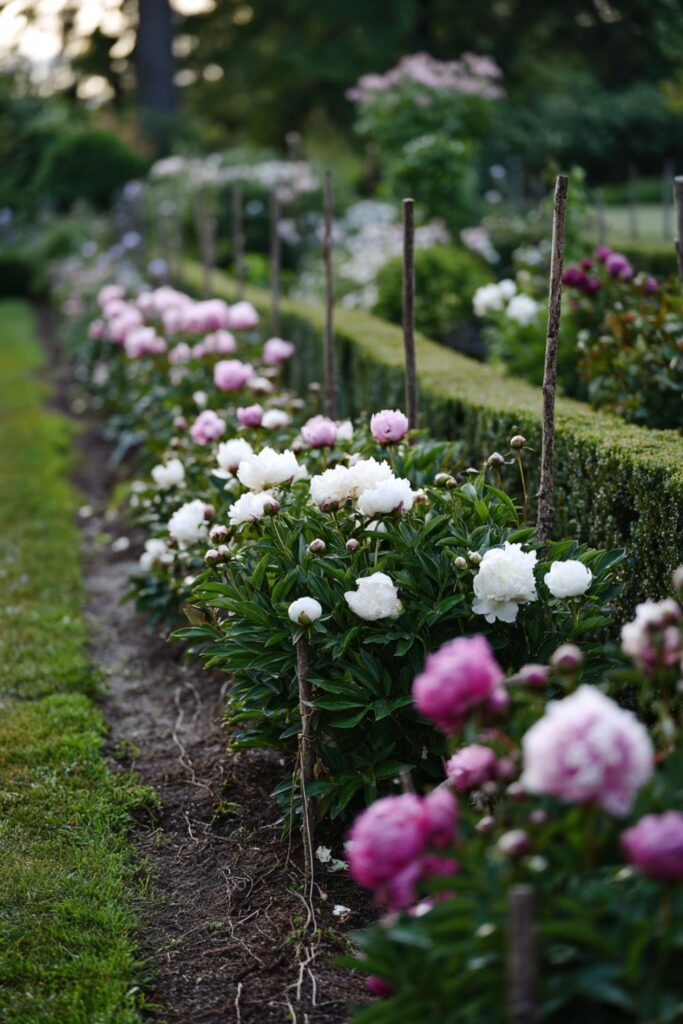
Martha’s herbaceous peony garden at Bedford contains 200 different varieties. The plants are staked with twine each spring and the surrounding boxwood is sculpted by hand. When the peonies bloom in late May, she cuts armfuls for ironstone pitchers in every room.
The bones are planted and the flowers are blooming. What follows covers how Martha feeds the kitchen, the soil, and the eye in equal measure.
6. The Vegetable Garden as Beautiful as the Flower Garden
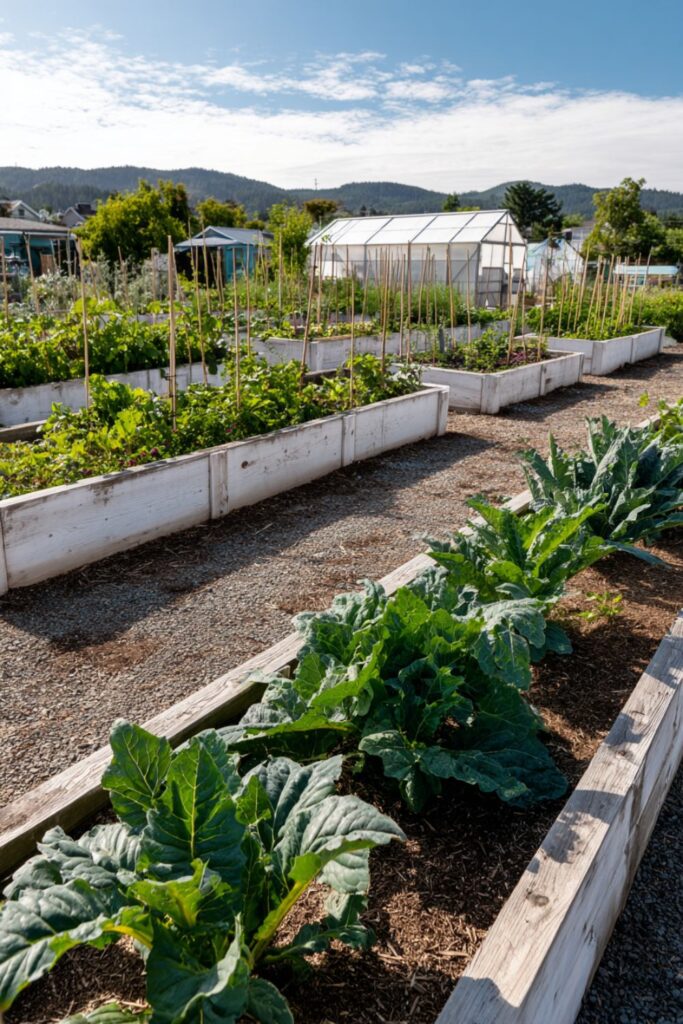
Martha built a half-acre vegetable garden at Bedford using white oak raised beds ranging from 5-by-10 feet to 8-by-70 feet. She drew a precise map before building a single frame. “Vegetable gardens can be as pretty as they are productive when you plant colorful crops,” she writes.
7. 200 Fruit Trees in the Orchard
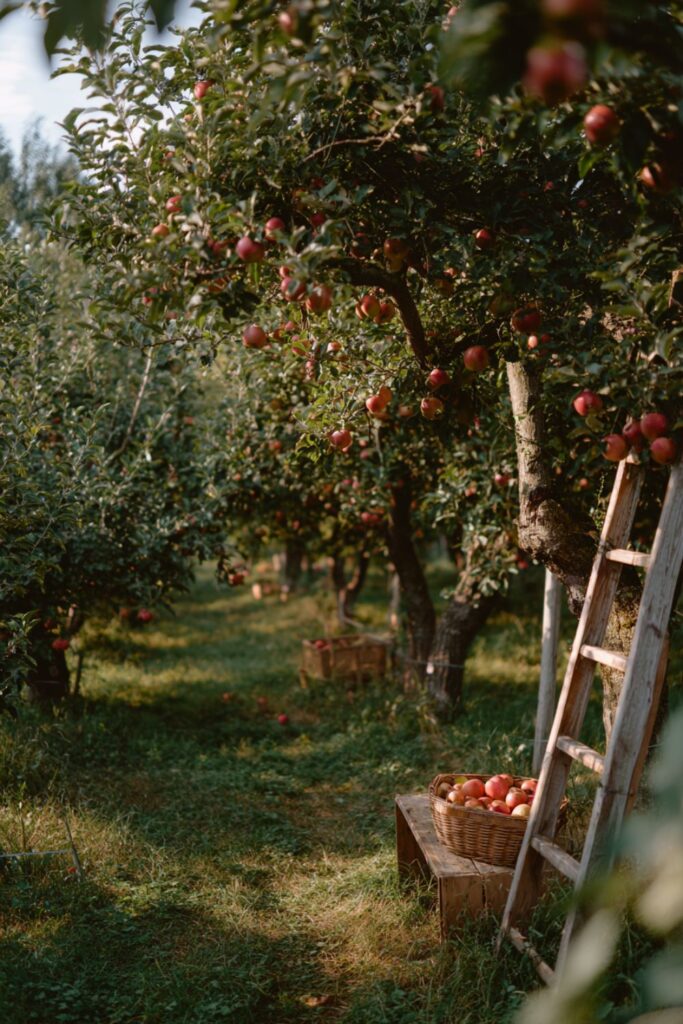
Martha’s orchard at Bedford holds over 200 different fruit trees, with the largest section dedicated to apples. Her favorites include Baldwin, Honeycrisp, Cox’s Orange Pippin, and Roxbury Russet. The orchard is not ornamental. It produces fruit she cooks with, preserves, and shares.
8. Feed the Plants Like You Feed Yourself
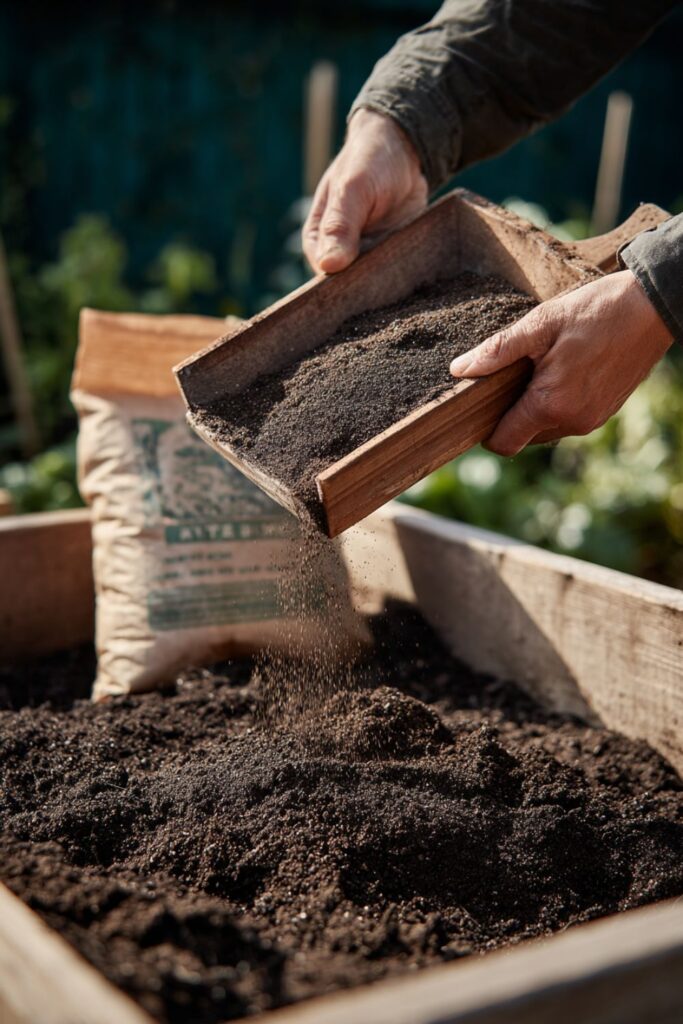
Martha’s rule: “If you eat, so should the plants.” She uses organic fertilizer and bone meal on every planting. Soil preparation is not optional. Compost, fertilizer, and proper drainage come before the first seed goes in the ground. Healthy soil makes healthy plants.
9. 300 Japanese Maples in the Woodland
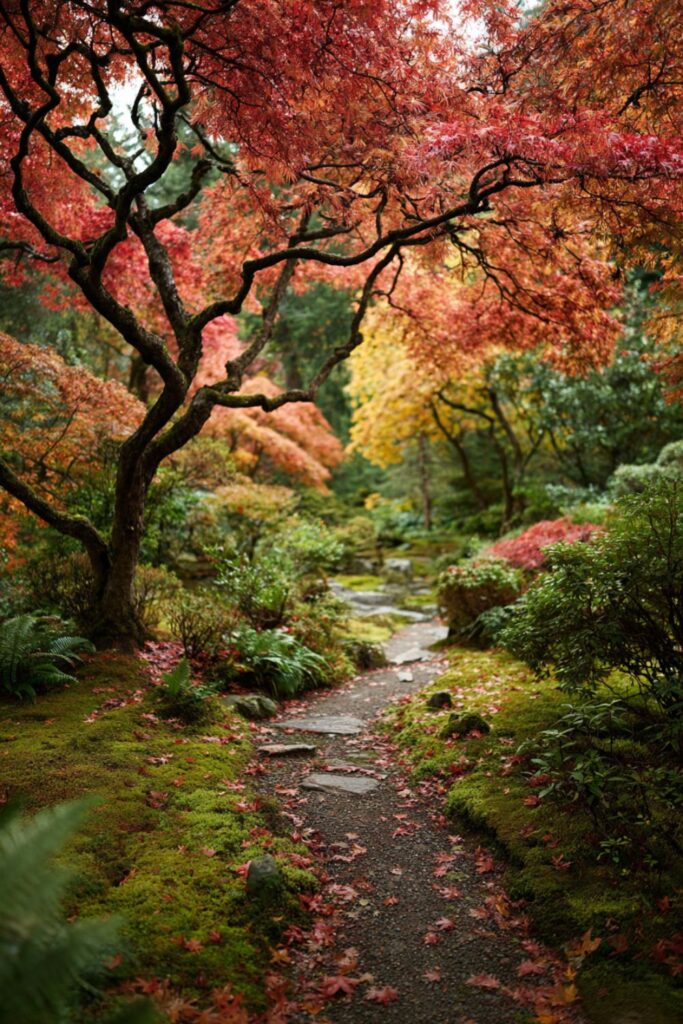
Martha fell in love with Japanese maples on a trip to Japan and vowed to plant as many varieties as possible. Today, more than 300 different Japanese maples grow in the woodland at Bedford. In autumn, the woodland becomes a canopy of red, orange, and gold.
10. The Linden Allee as Architecture
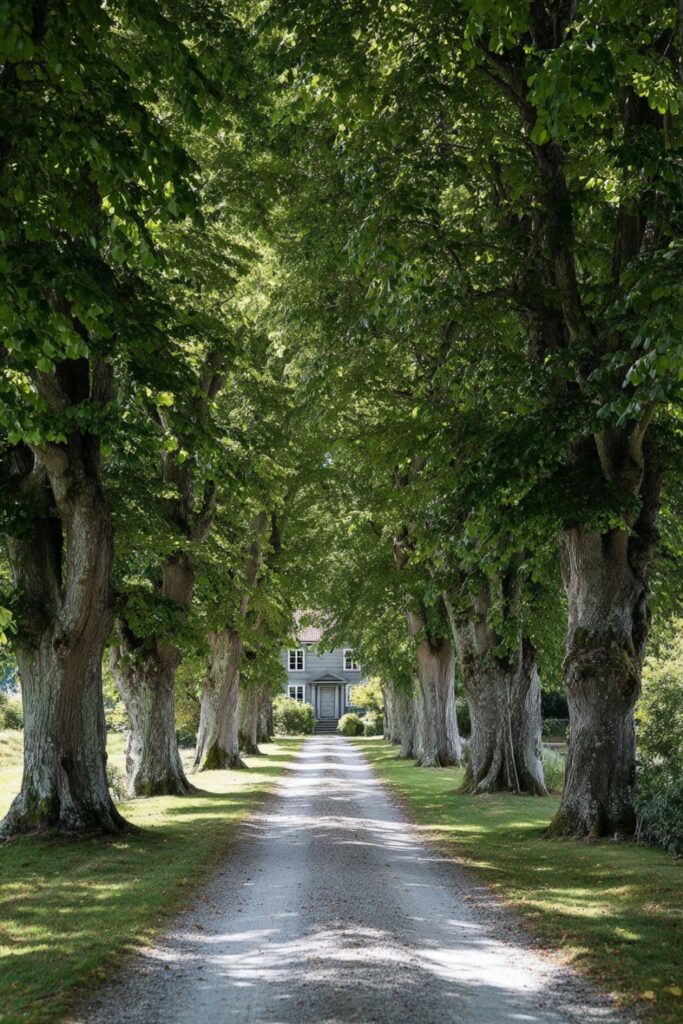
Martha planted a formal allee of linden trees at Bedford, creating a living corridor of shade and symmetry. The allee is pruned and shaped annually. It functions as outdoor architecture, a hallway made of trees connecting one section of the property to another.
11. The Clematis Pergola
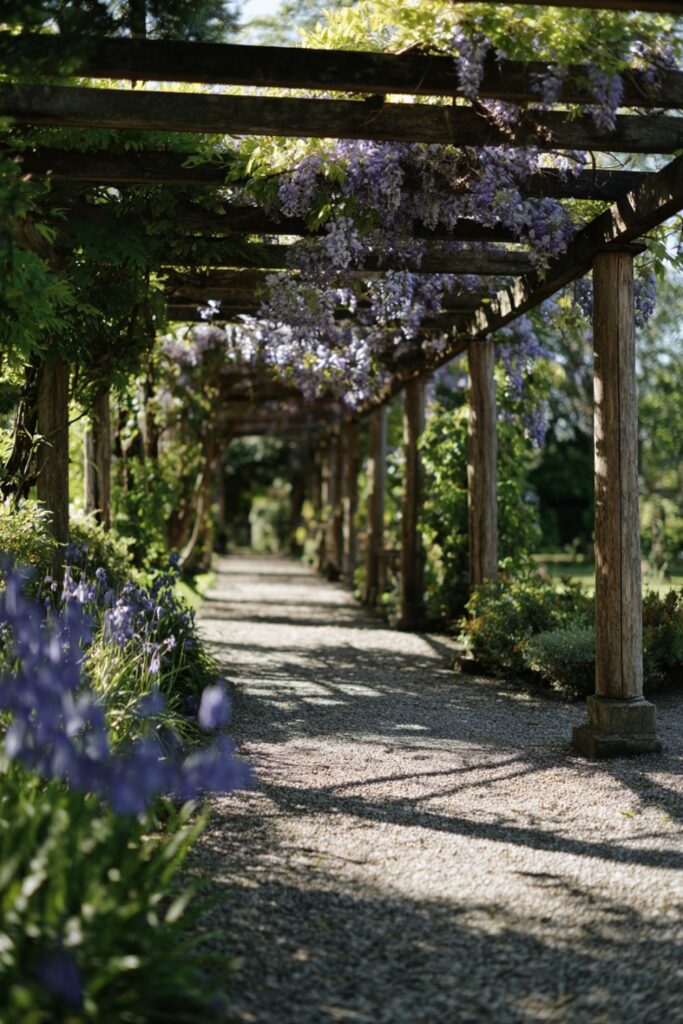
Martha built a long pergola at Bedford and trained clematis vines to climb it. The pergola provides shade, structure, and a destination in the garden. Camassia bulbs bloom blue-purple beneath it each April. The pergola is both architecture and garden in one structure.
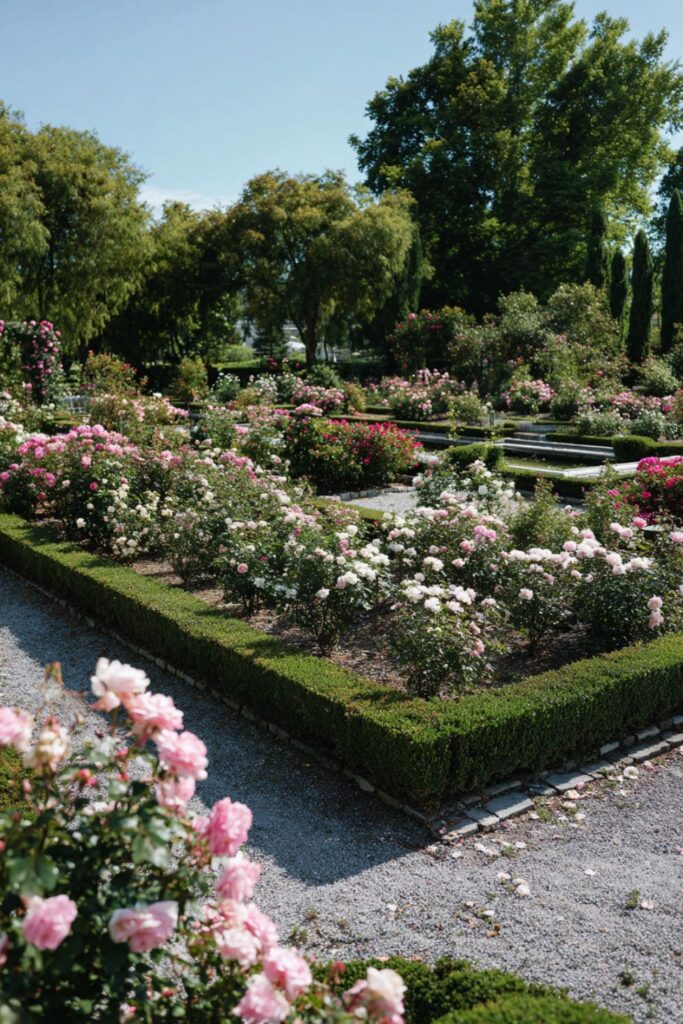
12. The Rose Garden Framed by Boxwood
Martha’s rose garden at Bedford is a 68-by-30-foot bed planted with three types: floribunda, hybrid tea, and shrub roses. Boxwood frames the entire garden. The roses provide color, fragrance, and cut flowers from June through October.
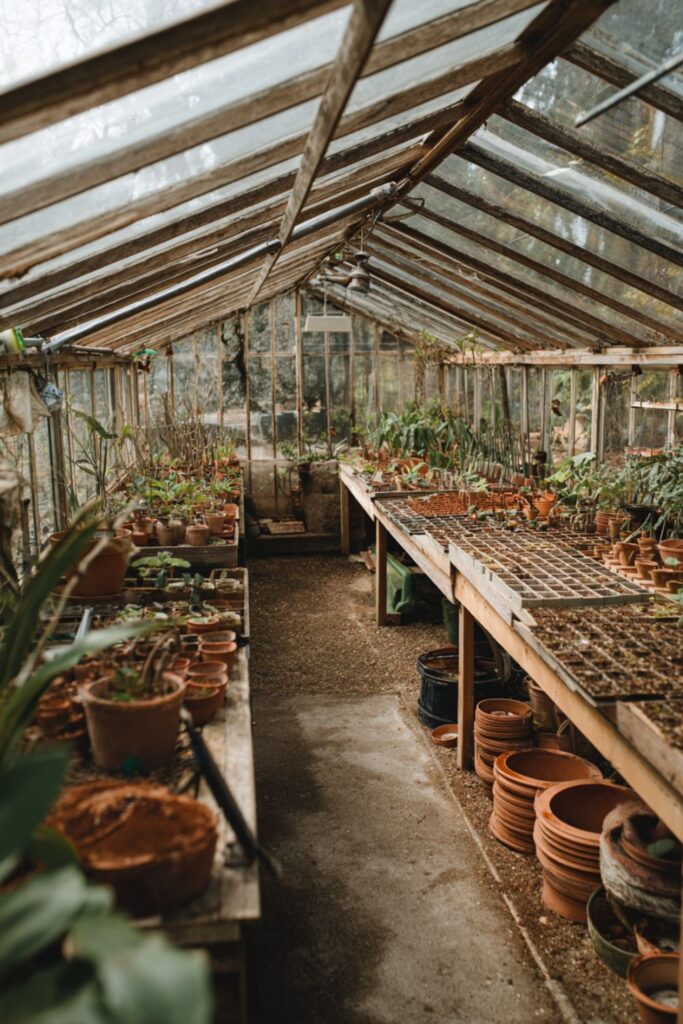
13. The Greenhouse That Powers Everything
Martha’s greenhouse at Bedford starts thousands of seeds each winter, overwinters tropical specimens, and forces bulbs for indoor display. She grows boxwood from cuttings, flowers from seed, and vegetables from starts. The greenhouse is the engine behind every garden on the property.
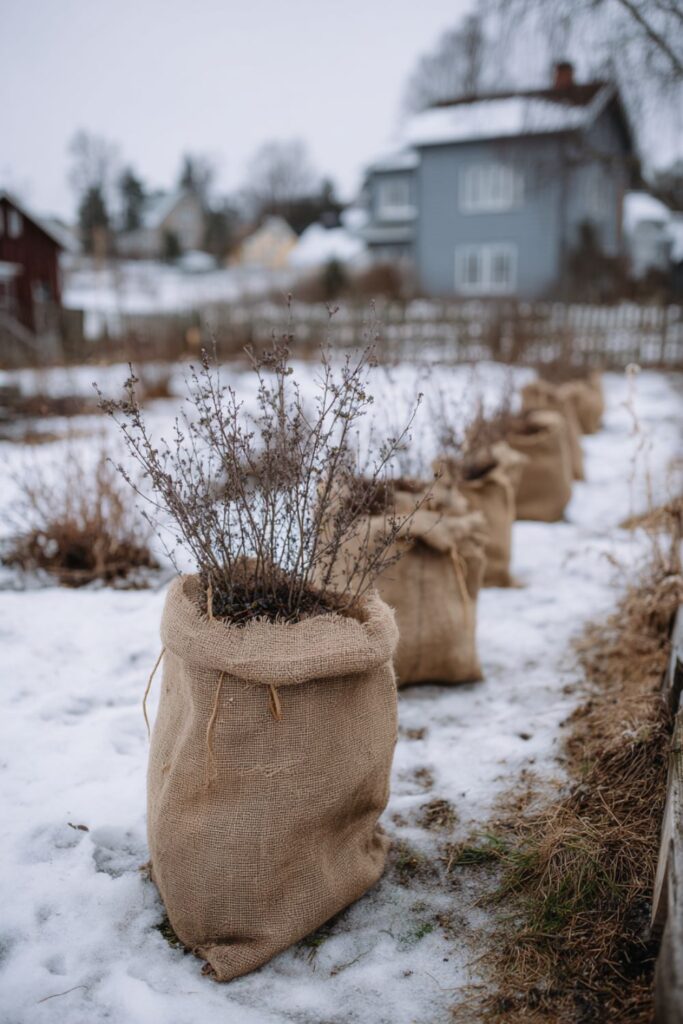
14. Burlap in Winter, Beauty in Spring
Martha wraps tender plants and young trees in custom burlap coverings for winter protection. The burlap is tailored to fit each plant. In spring, the coverings come off and the plants emerge unharmed. Protection in winter makes beauty in spring possible.
15. A Garden That Takes a Lifetime
Martha has been gardening for eighty years. Her 2025 Gardening Handbook is 368 pages and her first full gardening guide in over thirty years. The message on every page is the same: a garden is a long-term project. Plant for the person who will see it in ten years, not the person standing here today.
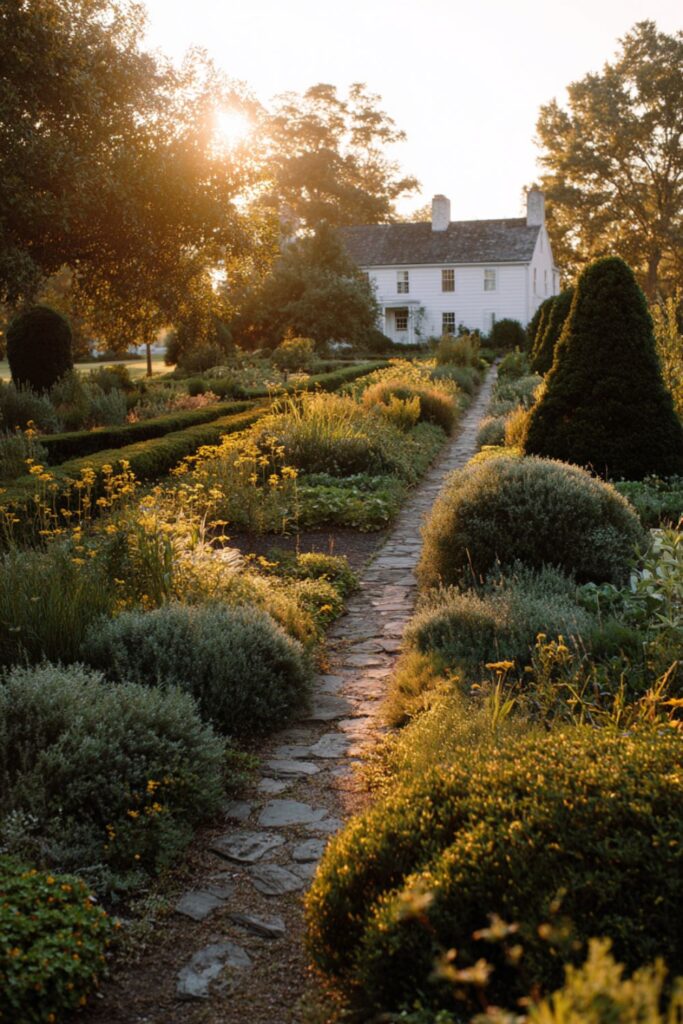
Martha Stewart aesthetic garden is not about one perfect bed. It is about a property where every section connects to every other section, where the cutting garden feeds the kitchen table, where the orchard feeds the pie, and where the greenhouse feeds everything. Start with one seed. Give it eighty years.